



























Face
Facial plastic surgery in Thessaloniki and Athens, Greece
On both routes I follow the same rule: I correct the problem at the level where it lies, not on the surface, so the result looks like you rather than like an operation. Below you will find the two routes, the operations in each, and before and after photos of my own patients.
A face changes in two ways. Time moves the tissues downwards, while the shape and proportions of your features have always been there. That is why facial surgery has two routes: rejuvenation restores what time has moved, and facial aesthetic surgery refines what was always there.

Medically reviewed by Dr Prodromos Papaioannou, Plastic Surgeon, HESPRAS member, ASPS International Member · Last reviewed:
Facelift: the complete guide
If what bothers you is laxity along the jawline, in the neck, the midface, the brows or the eyelids, you are looking for rejuvenation. Ageing is mainly a matter of descent: the retaining ligaments loosen and the tissues slide down. So I put the tissues back where they belong instead of pulling the skin tight.
This is why I perform almost exclusively deep plane facelifts, 50–70 a year. The guide compares the techniques, explains preparation and recovery, and helps you choose a surgeon.
Operations: Deep plane facelift · Deep neck lift · Endoscopic midface lift · Forehead and brow lift · Upper blepharoplasty and ptosis repair · Lower blepharoplasty
Facelift: the complete guide
Facial aesthetic surgery: proportions, nose, lips and contour
If you would like to change the shape or proportion of a feature, such as the nose, lips, chin, cheekbones or ears, you are looking for facial aesthetic surgery. Here the change is about proportion: how one feature relates to the others, not about ageing.
The aim is a change that suits your face, not a template that looks copied. The guide explains how facial proportions are assessed, which operation changes what, and which operations can be combined.
Operations: Rhinoplasty · Lip lift · Facial contouring with implants · Buccal fat removal · Otoplasty (ear pinning)
Facial aesthetic surgery: proportions, nose, lips and contour
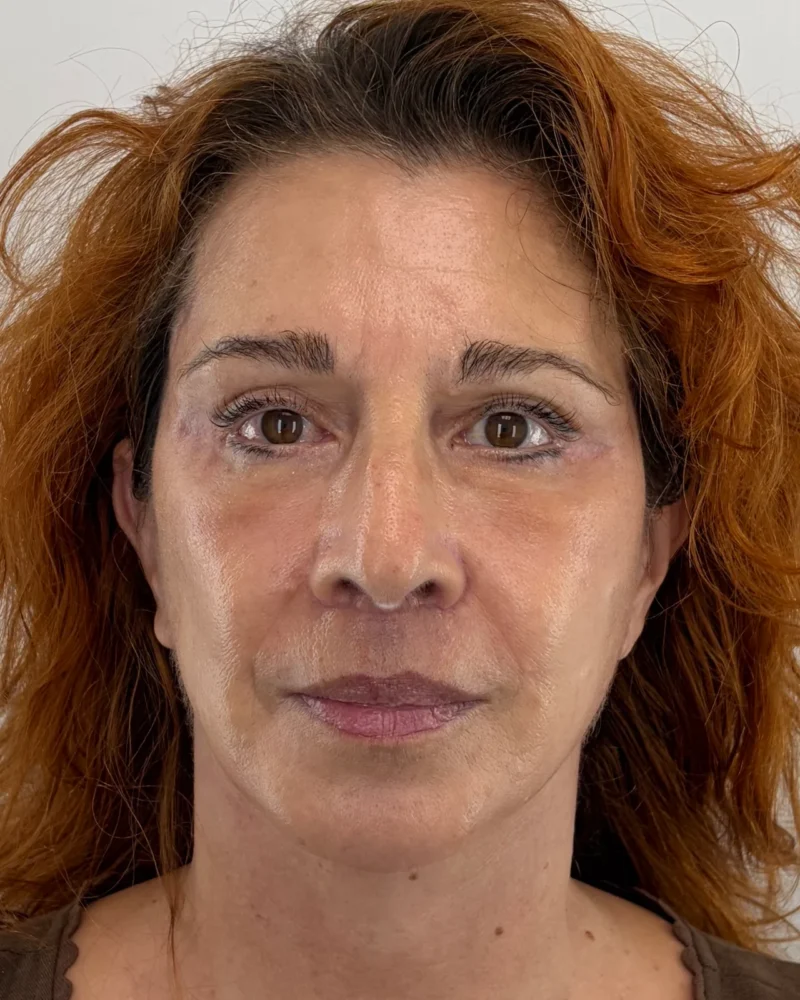
 Before
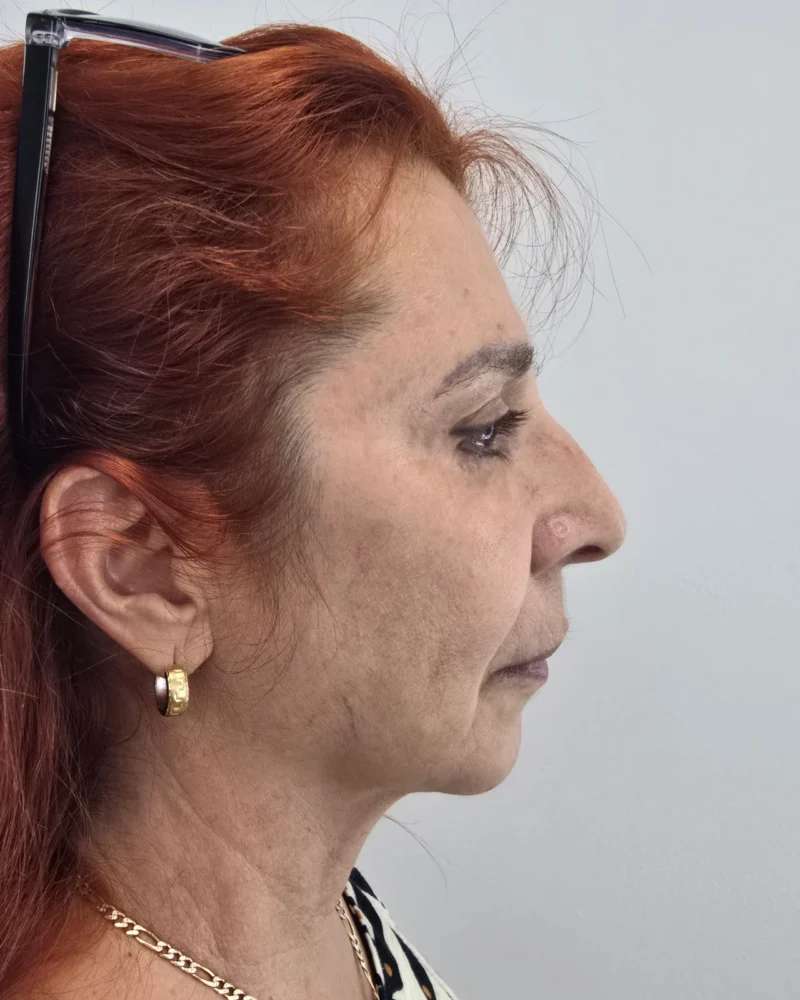
 After
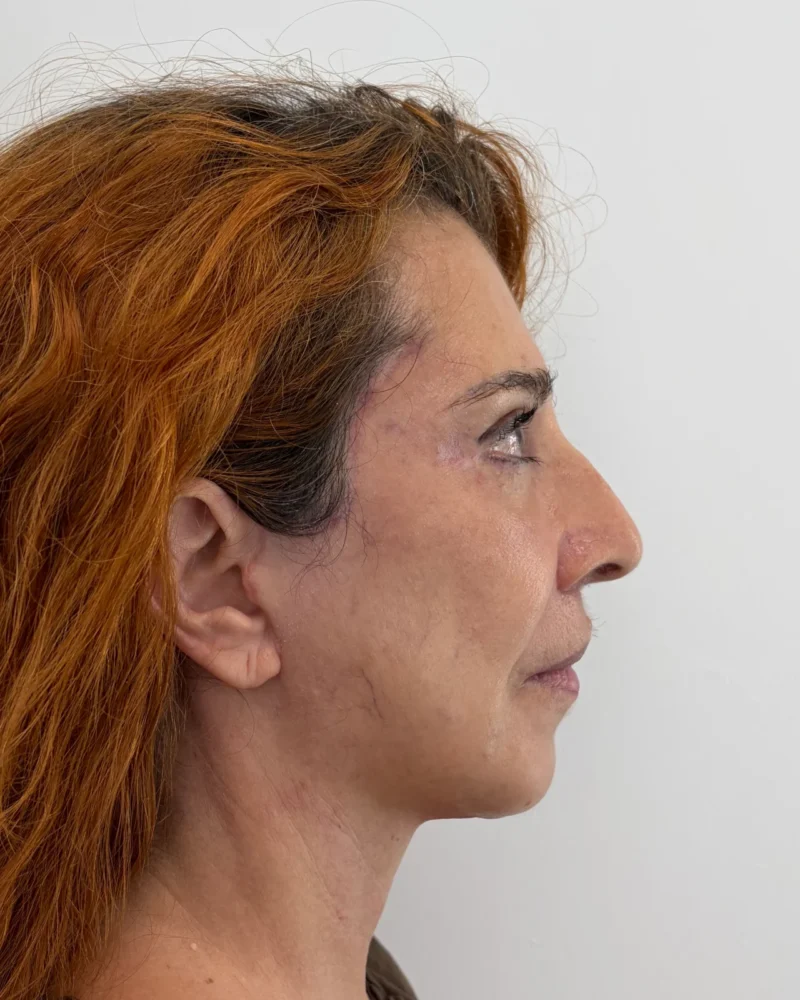
 Before
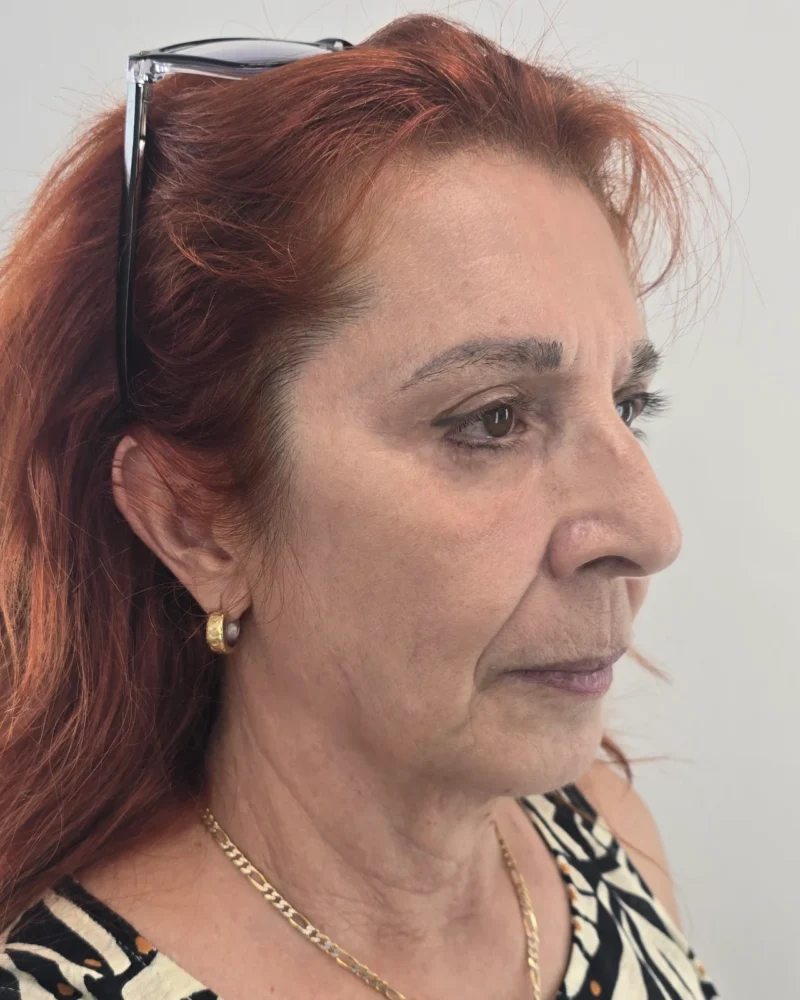
 After
 Before
 After
 Before
 After
 Before
 After
 Before
 After
 Before
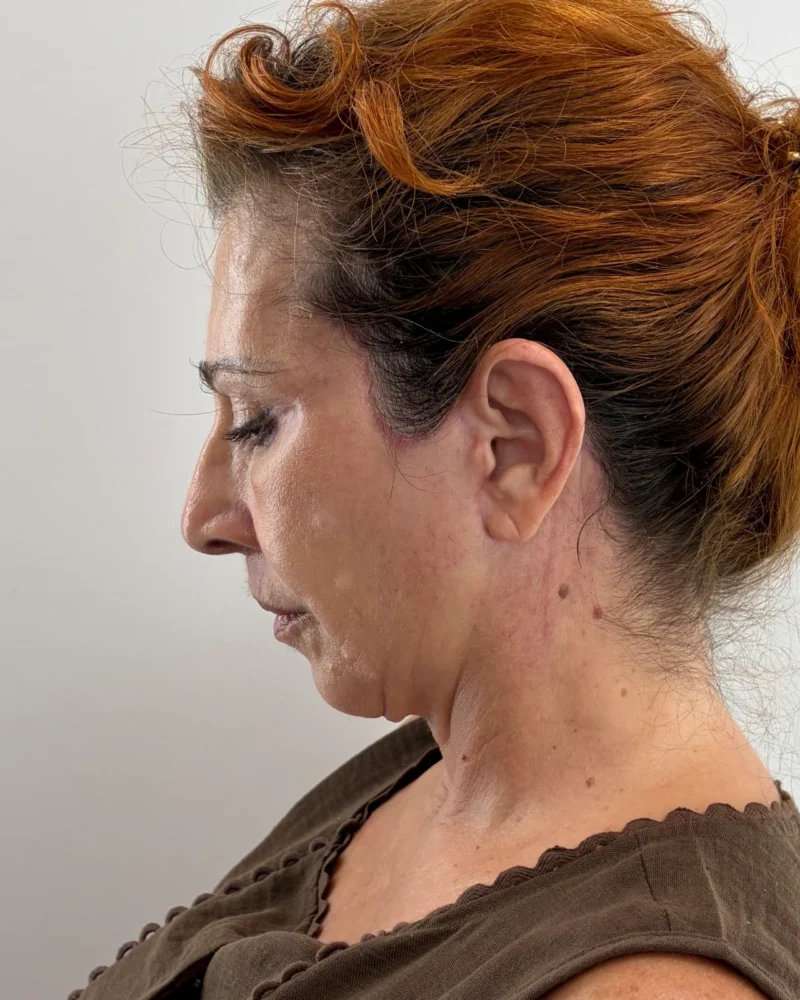 After
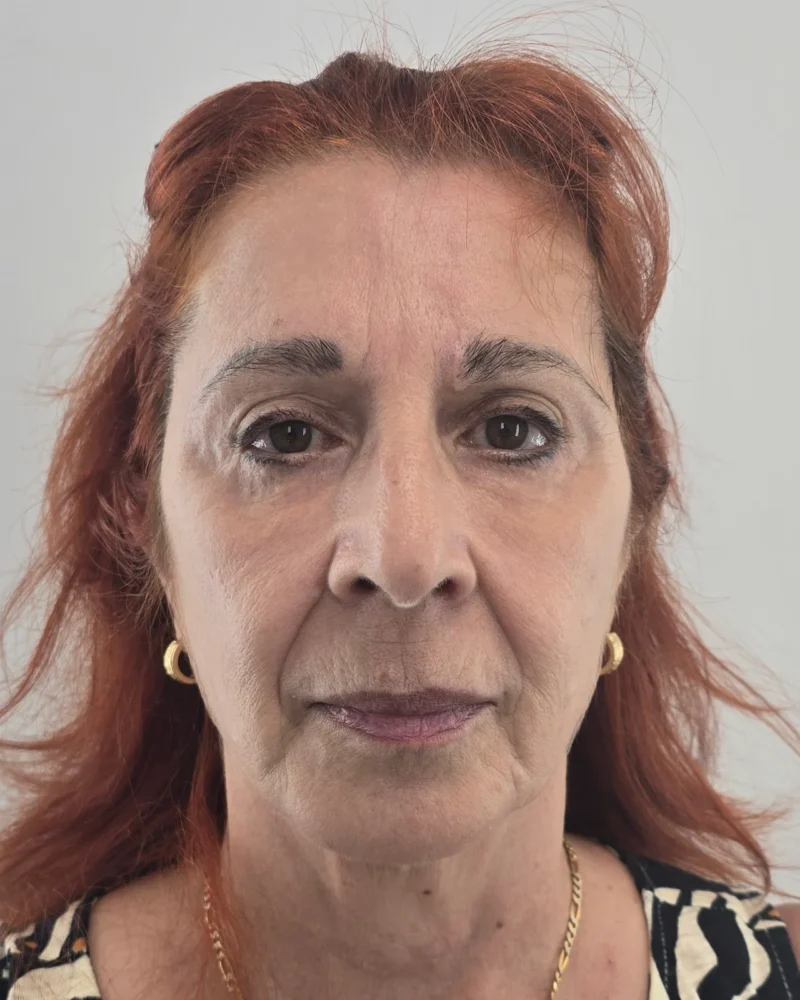
Front
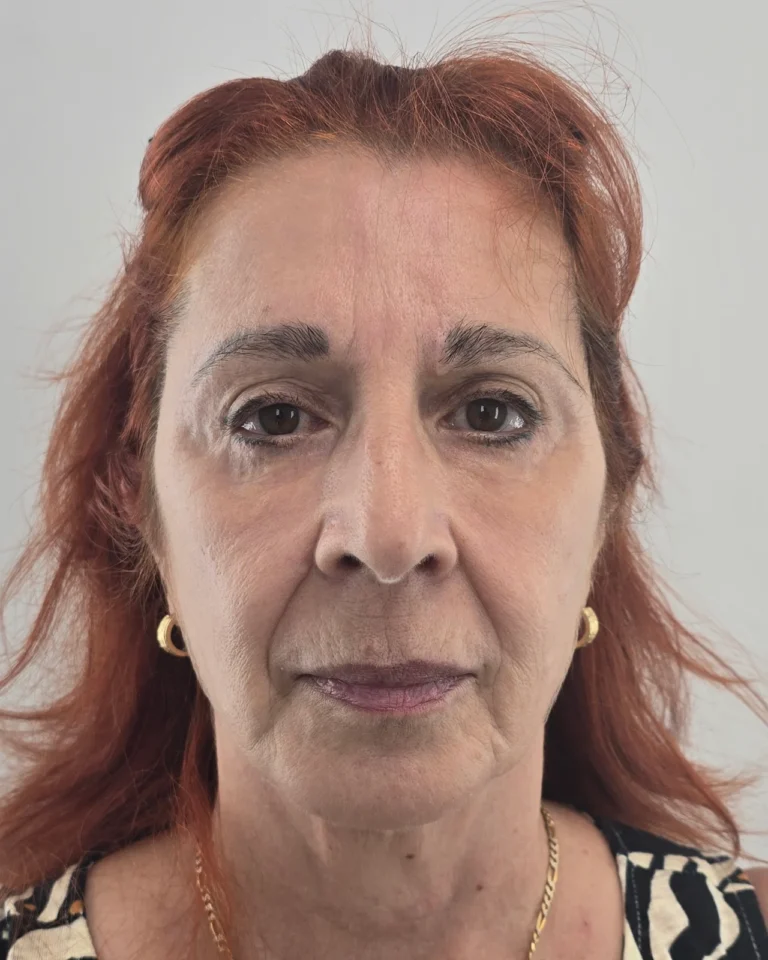
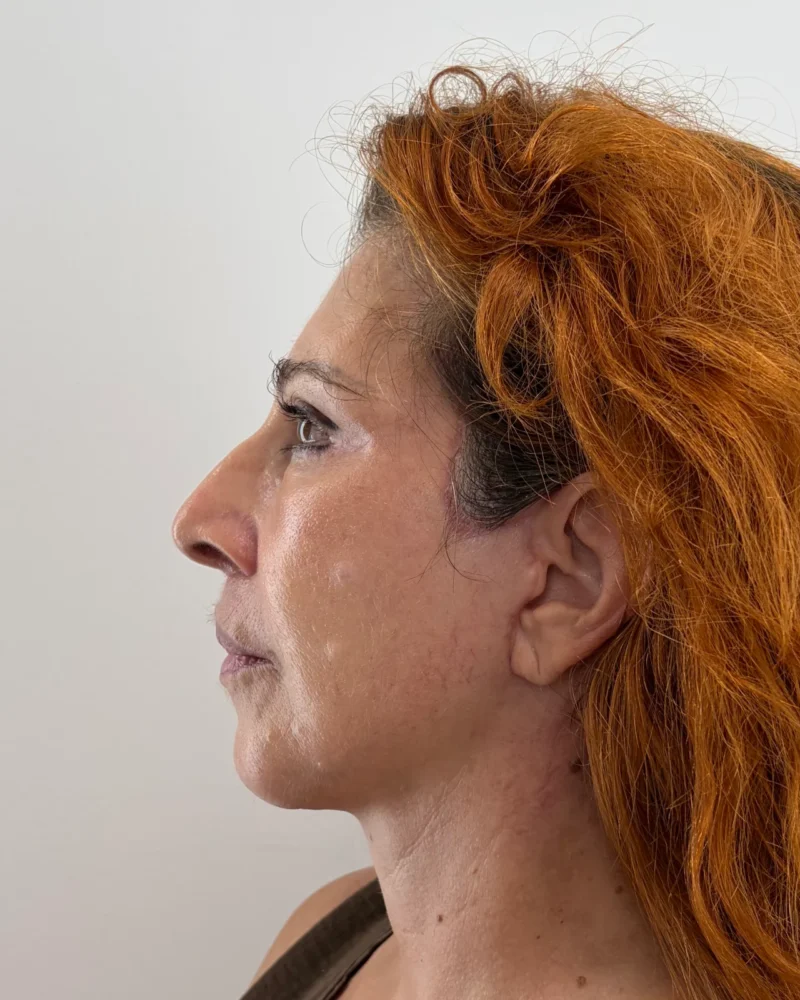
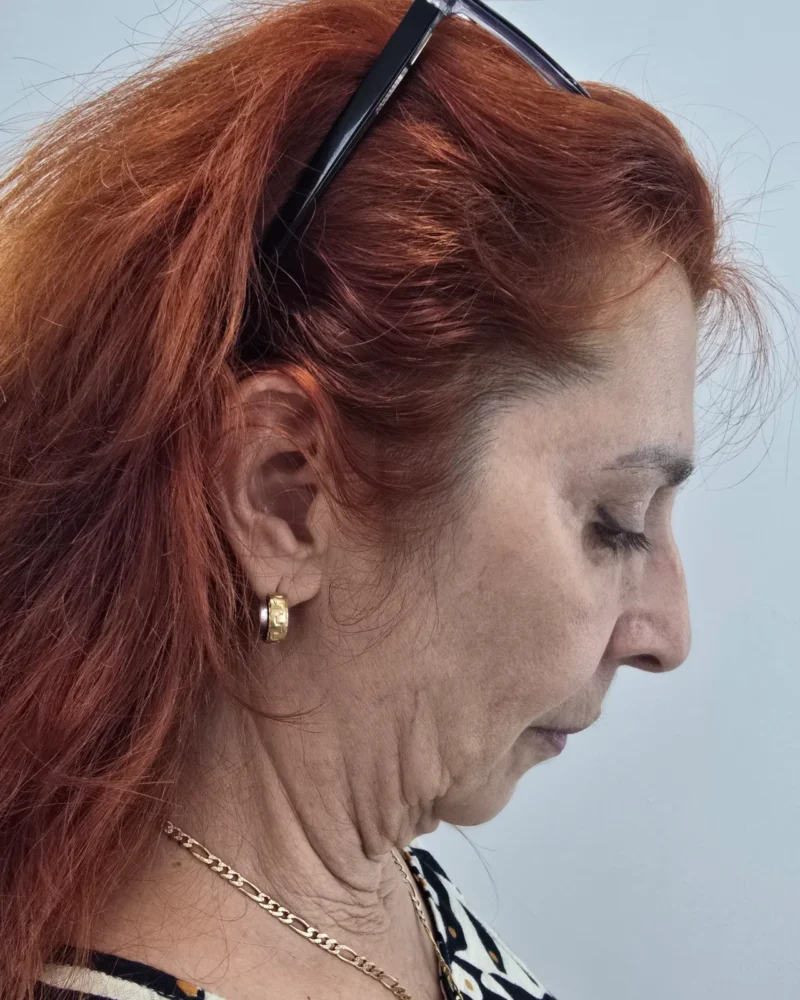
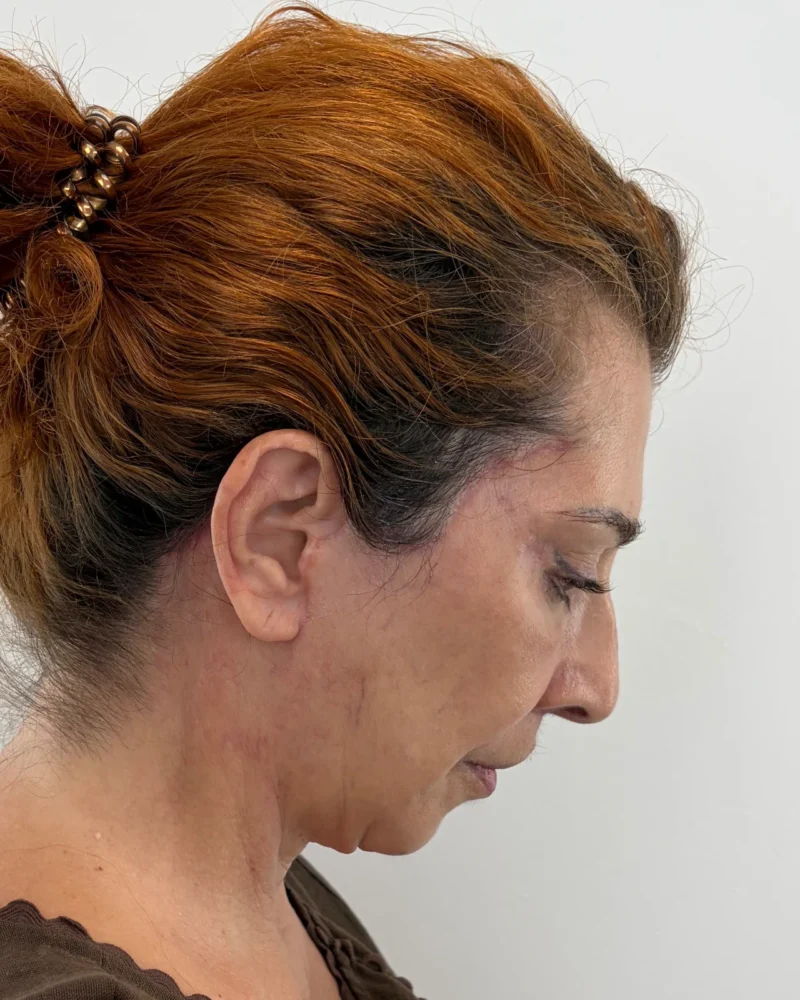
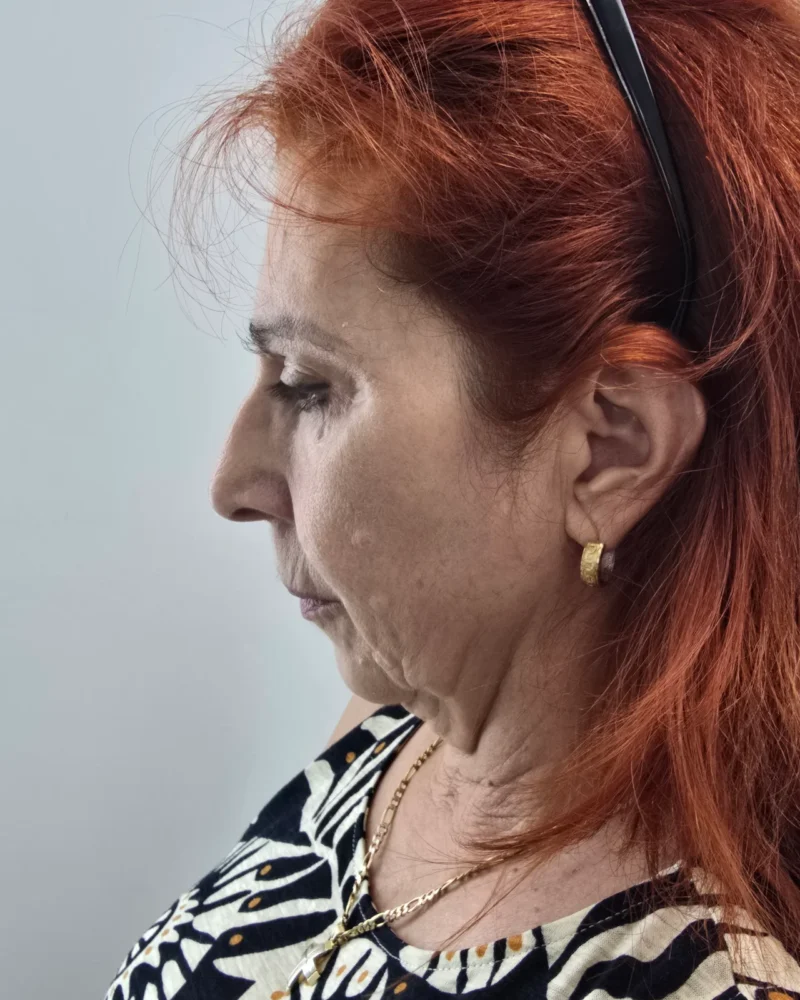
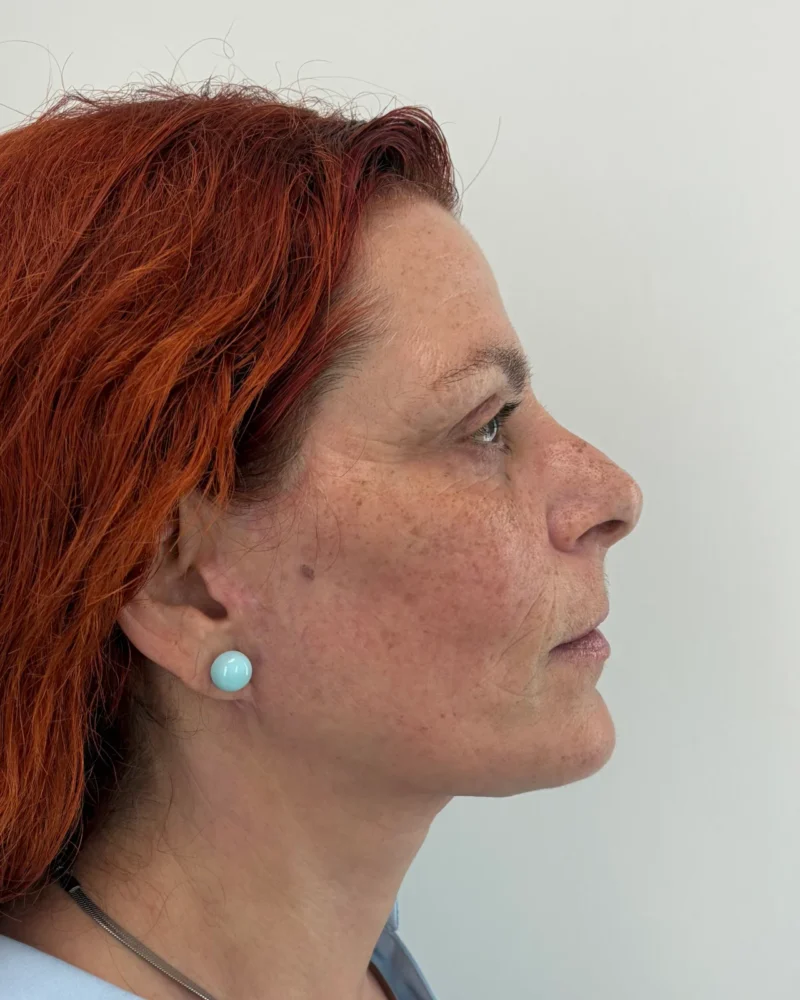
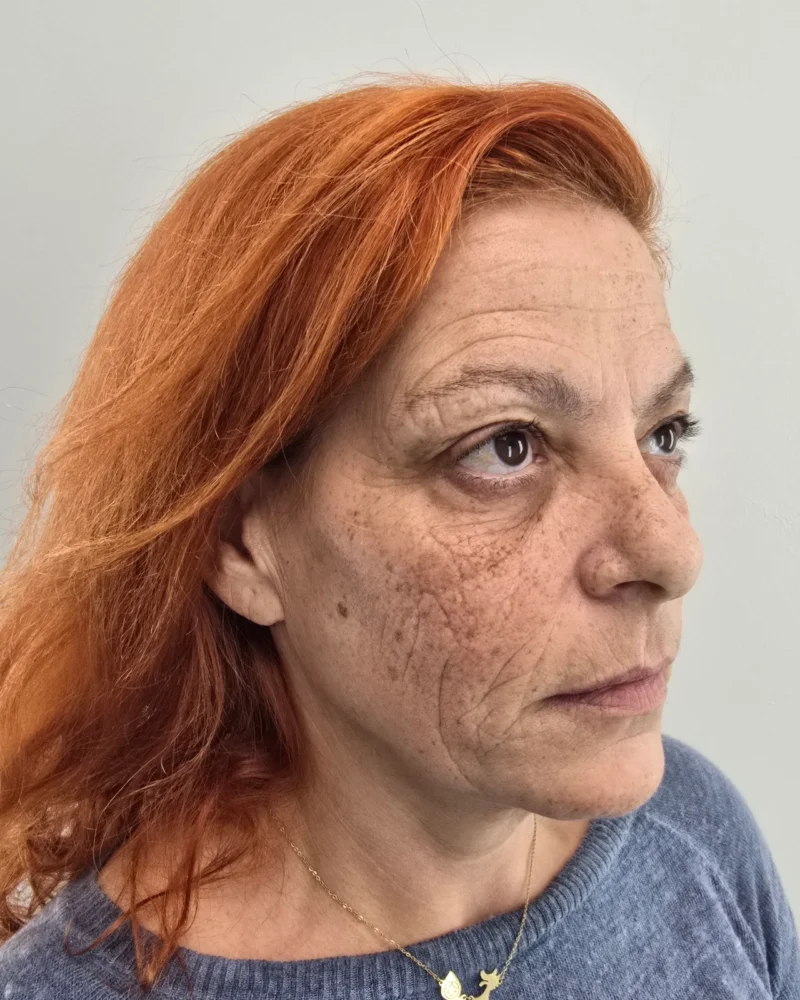
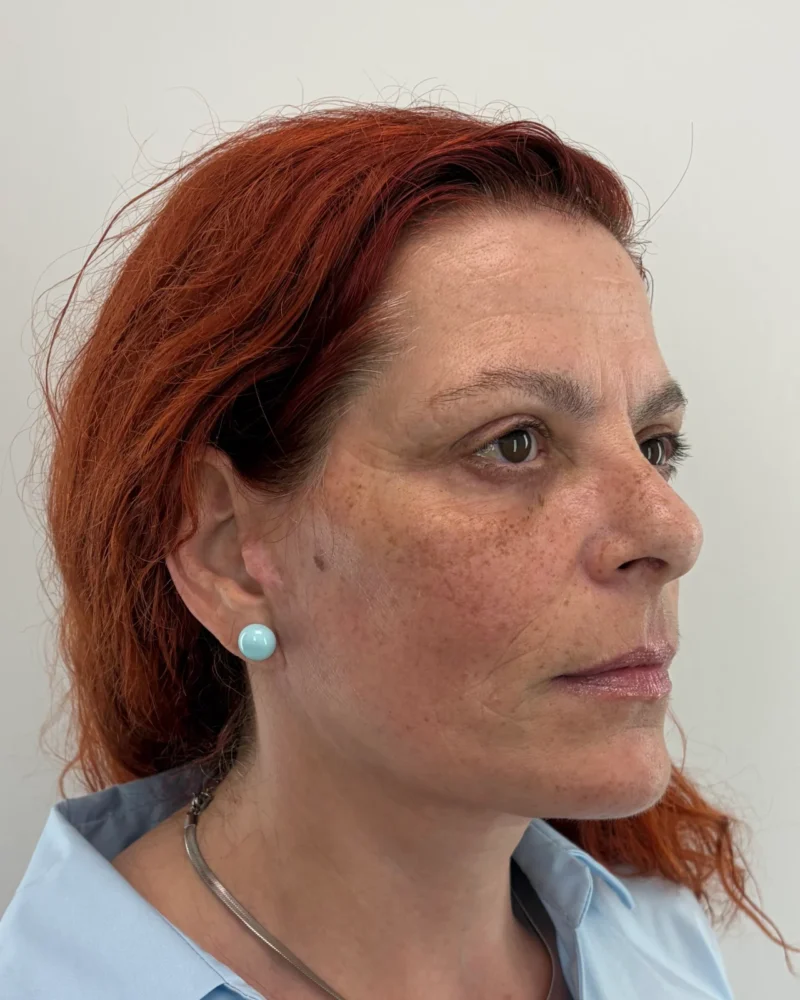
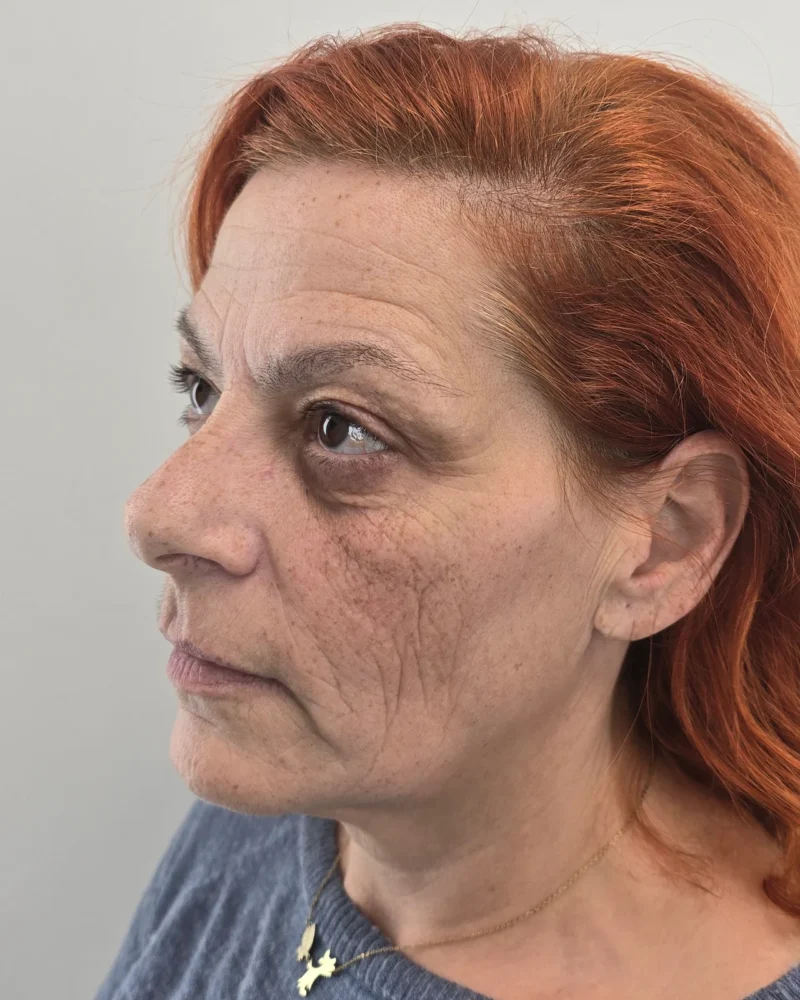
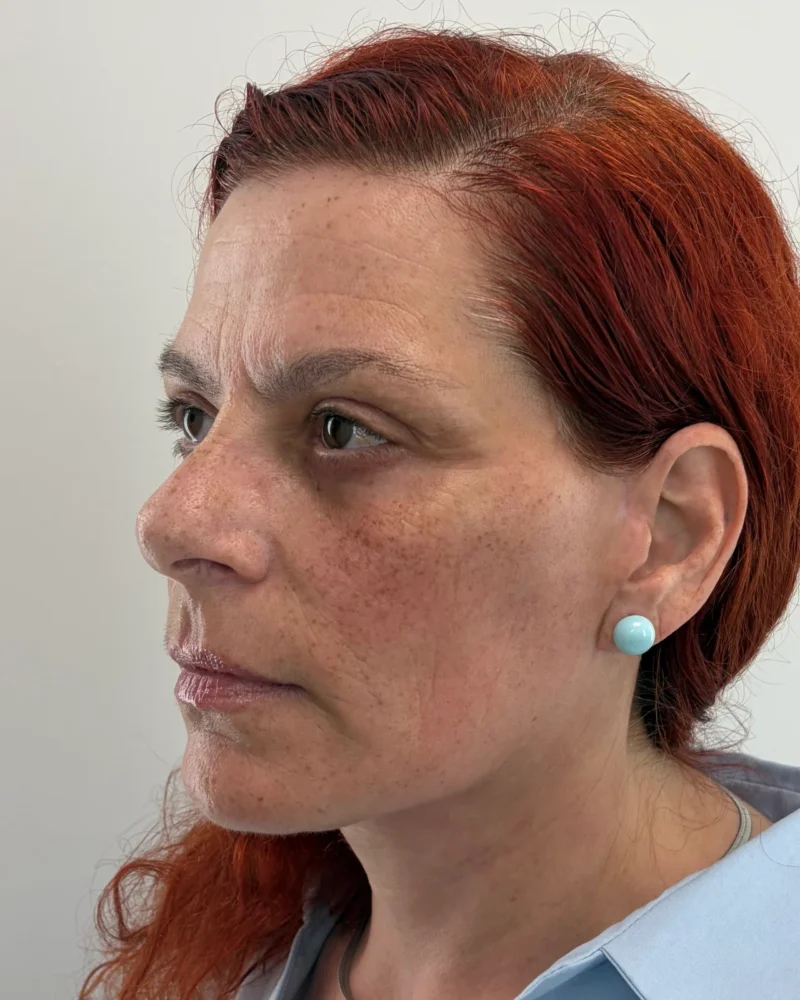
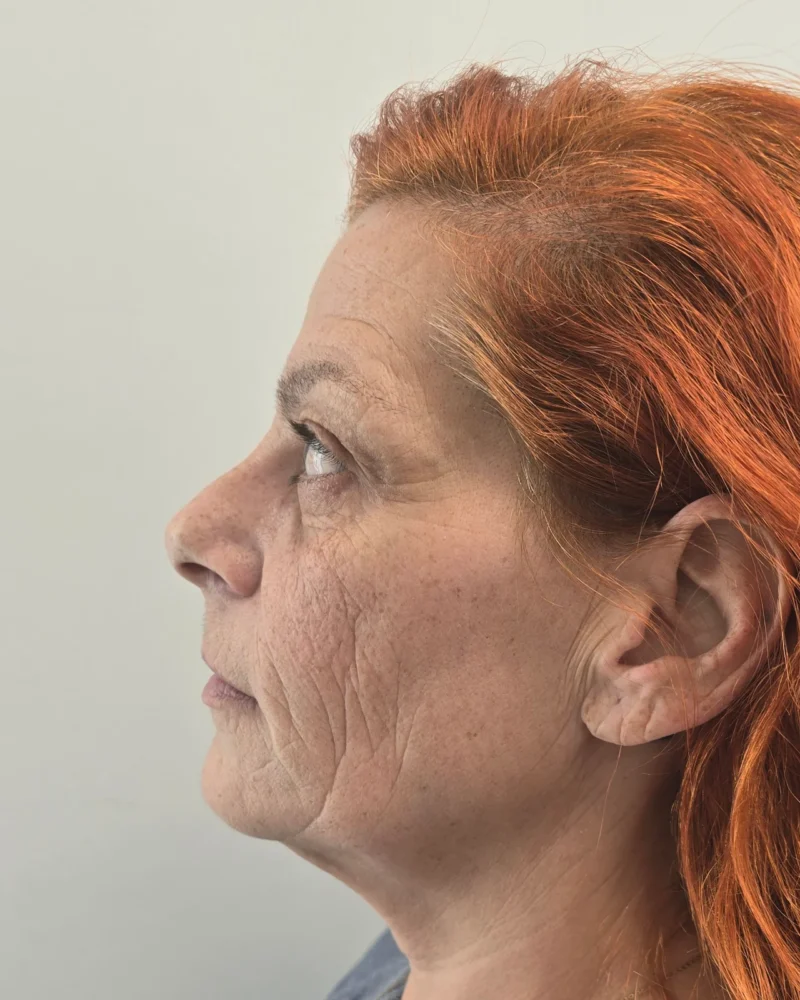
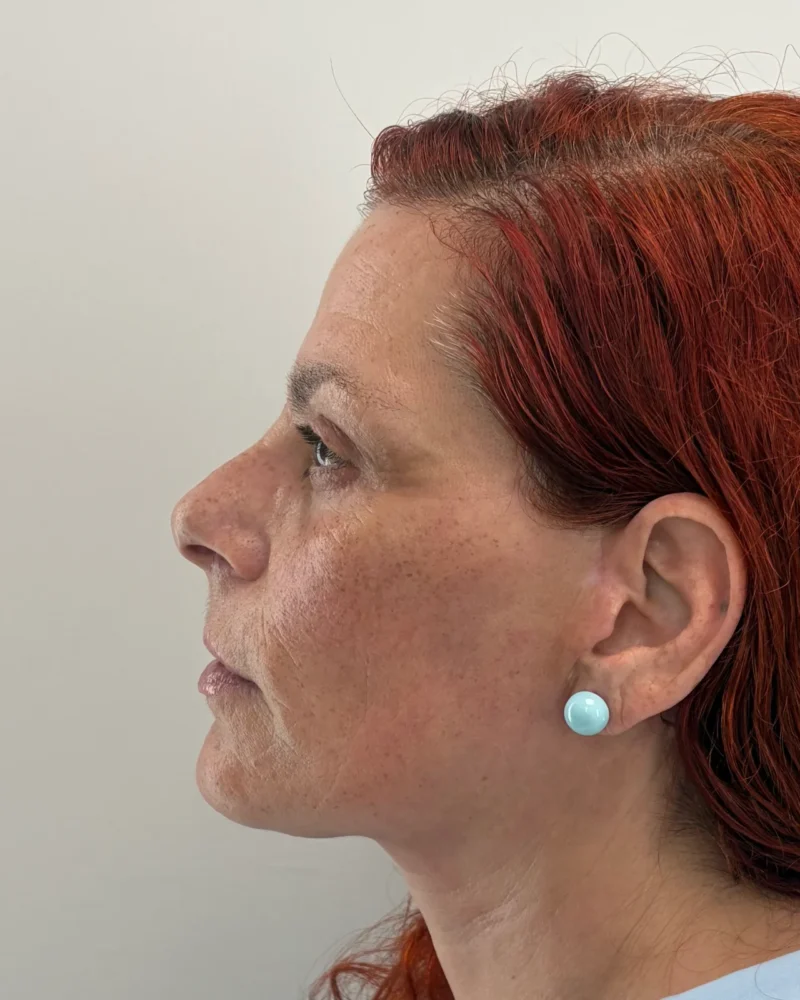
Deep plane facelift
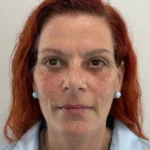
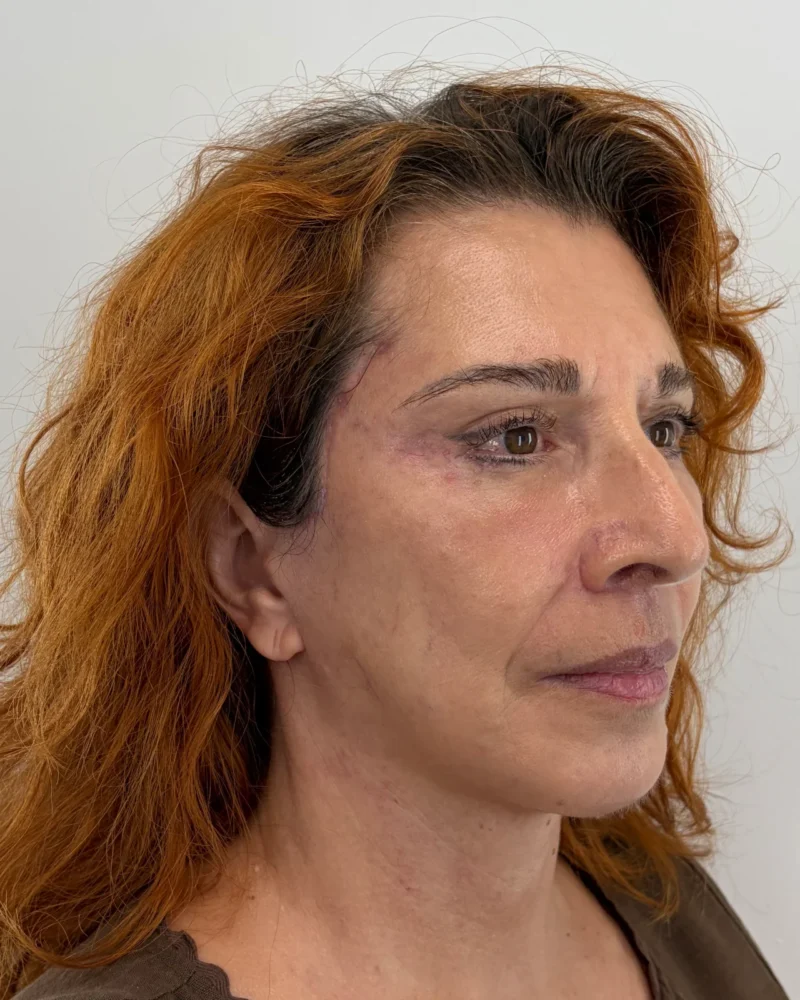
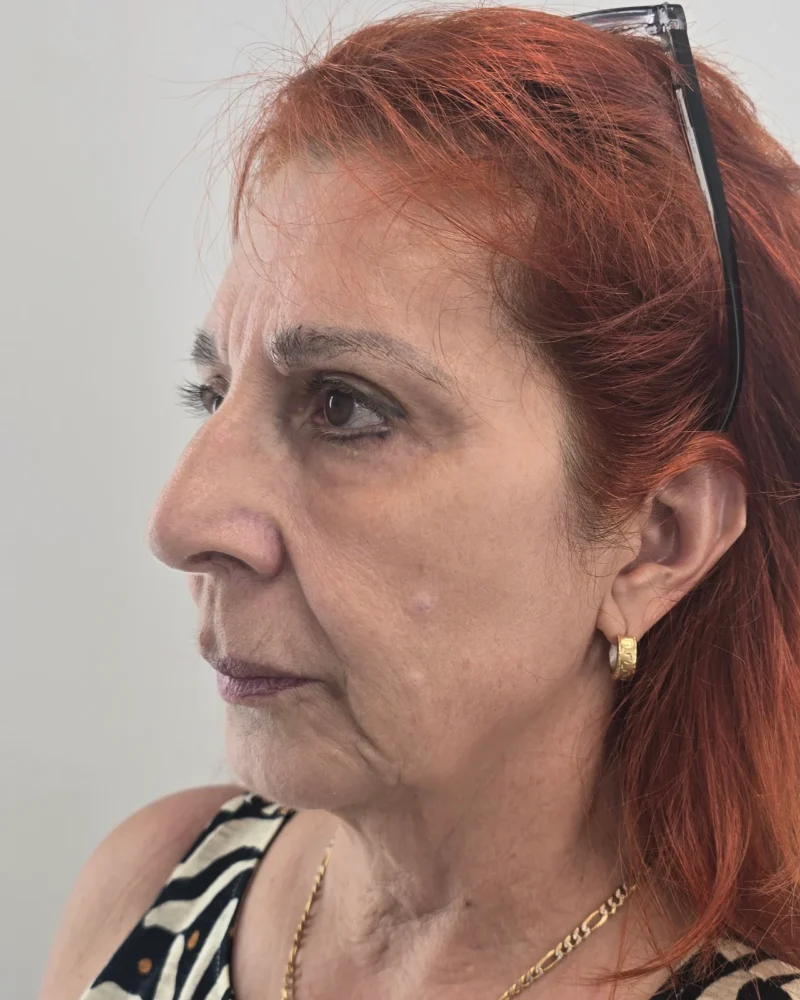
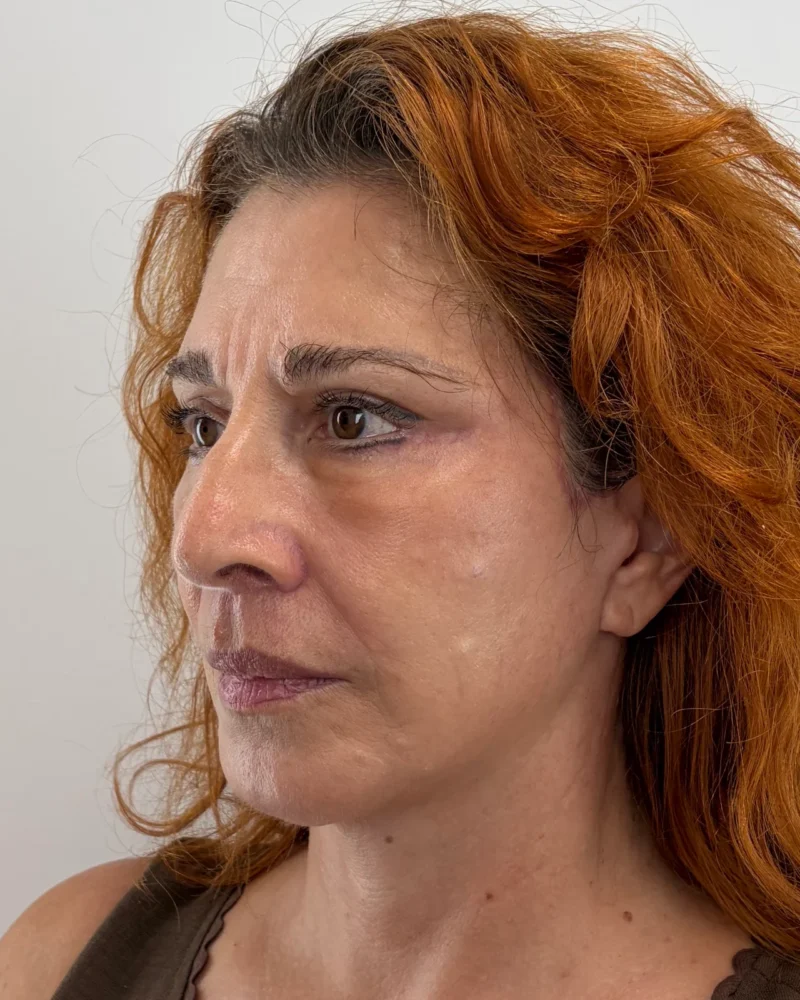
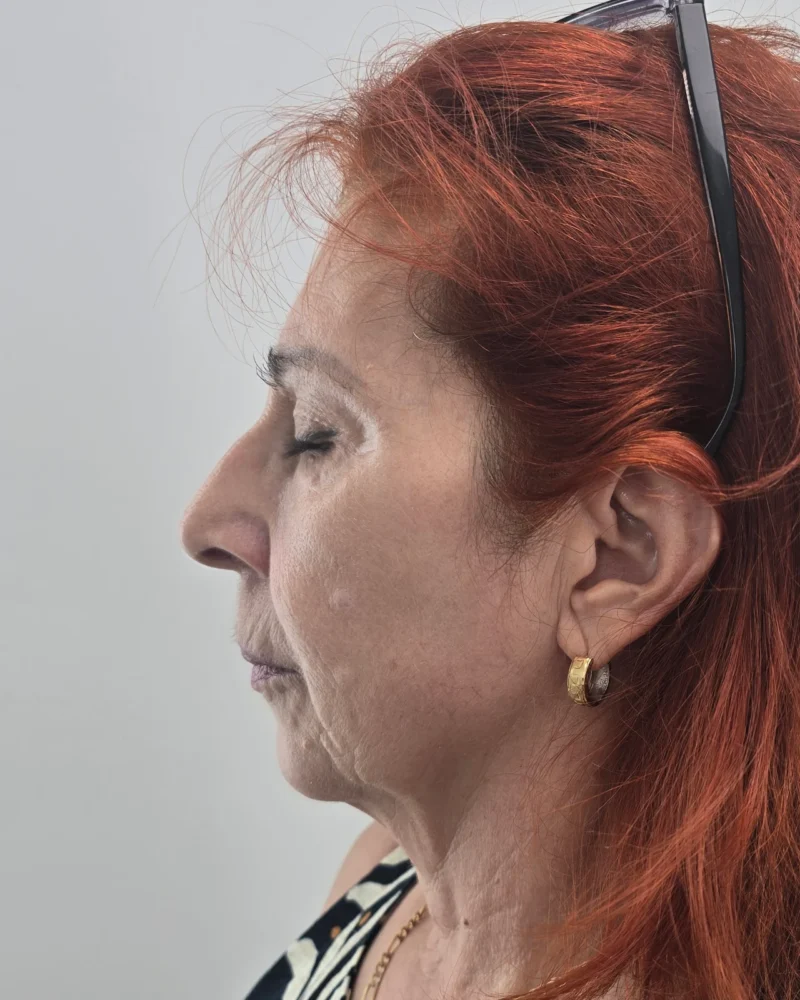
Woman, 50–60 · Deep plane facelift · 3 months after · Surgeon: Dr Prodromos Papaioannou
Contact usSee this case →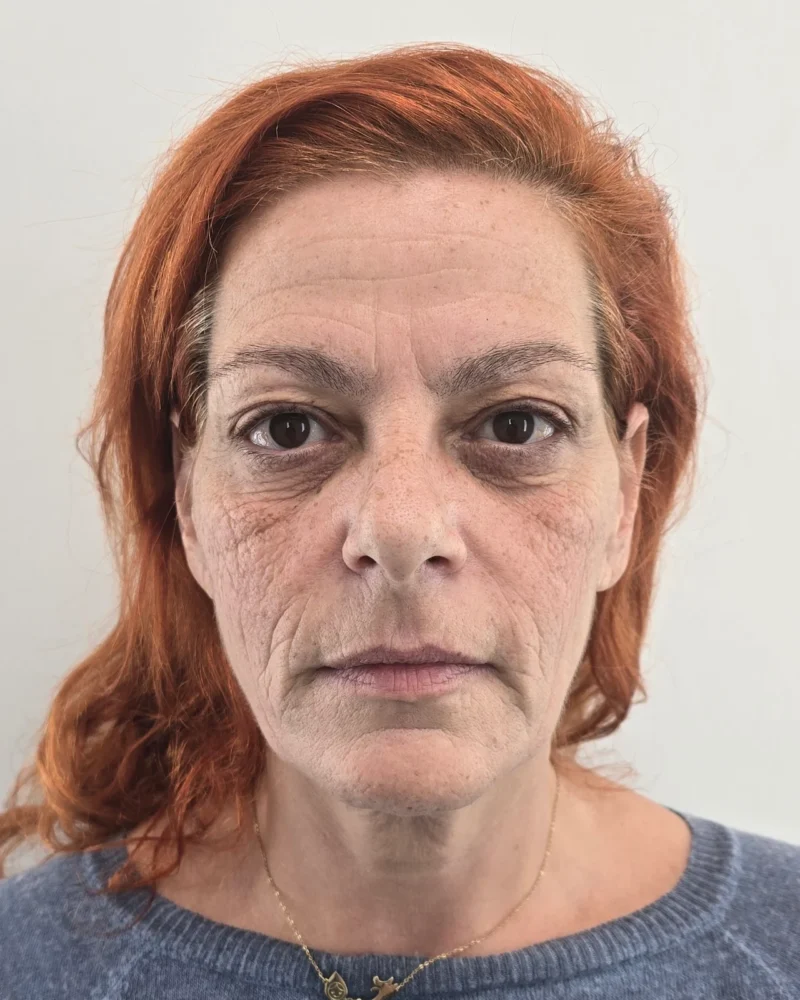 Before
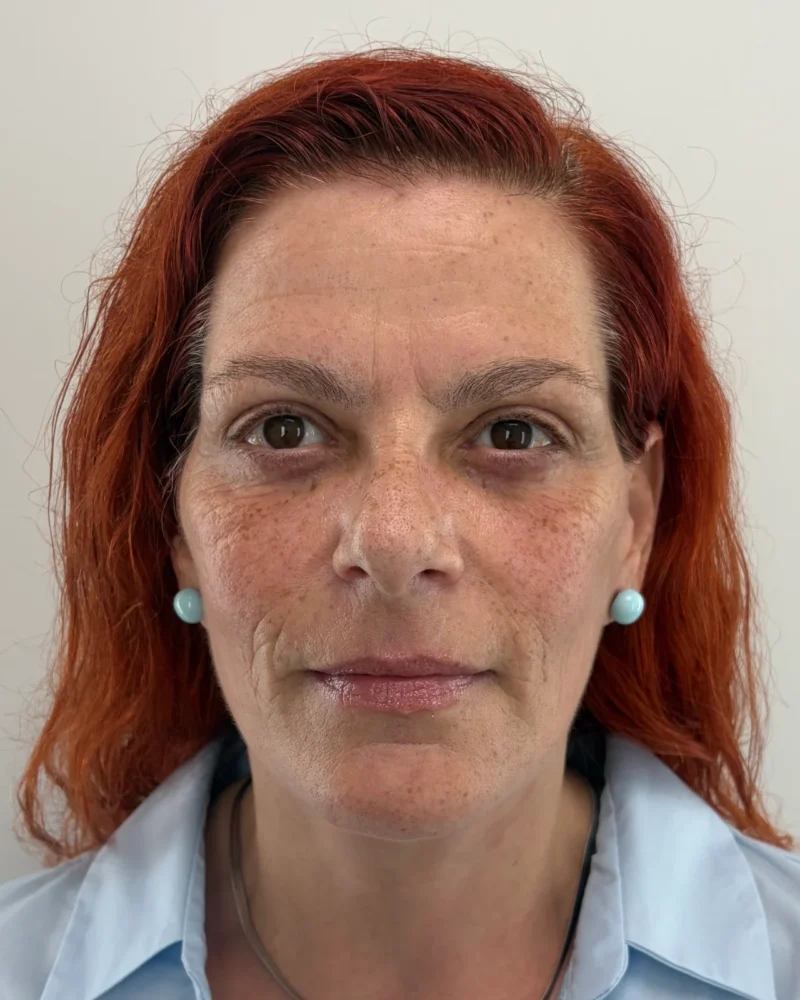 After
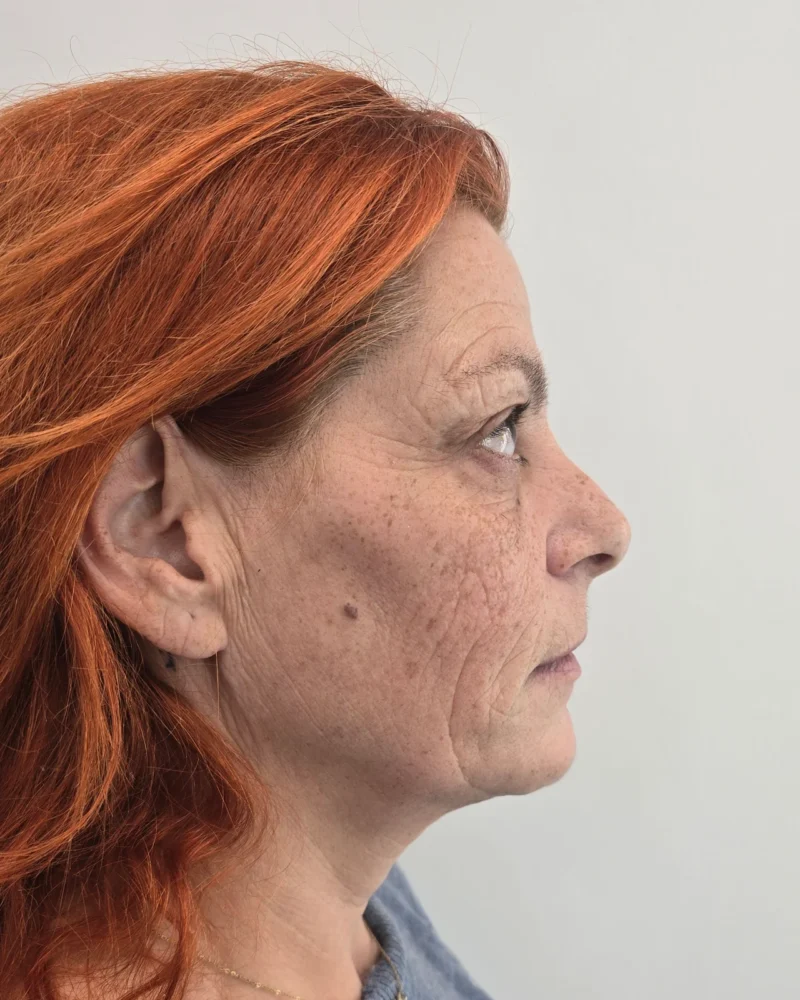 Before
 After
 Before
 After
 Before
 After
 Before
 After
Front
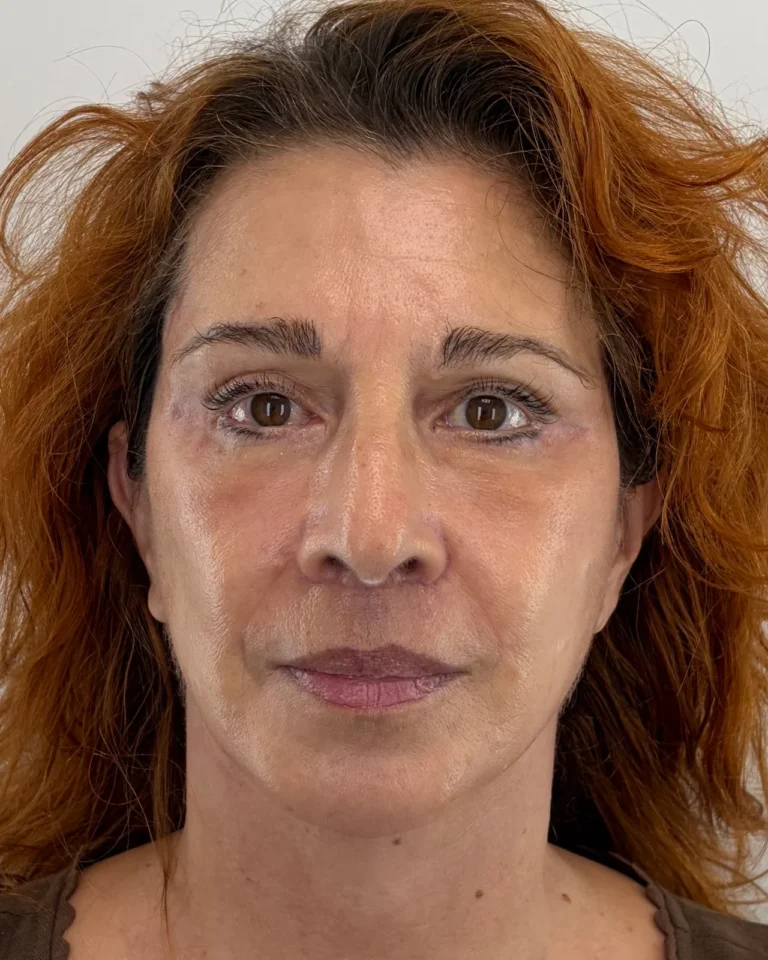
Deep plane facelift and upper blepharoplasty
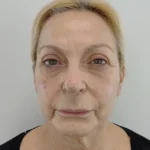
Woman, 45–50 · Deep plane facelift and upper blepharoplasty · 7 months after · Surgeon: Dr Prodromos Papaioannou
Contact usSee this case →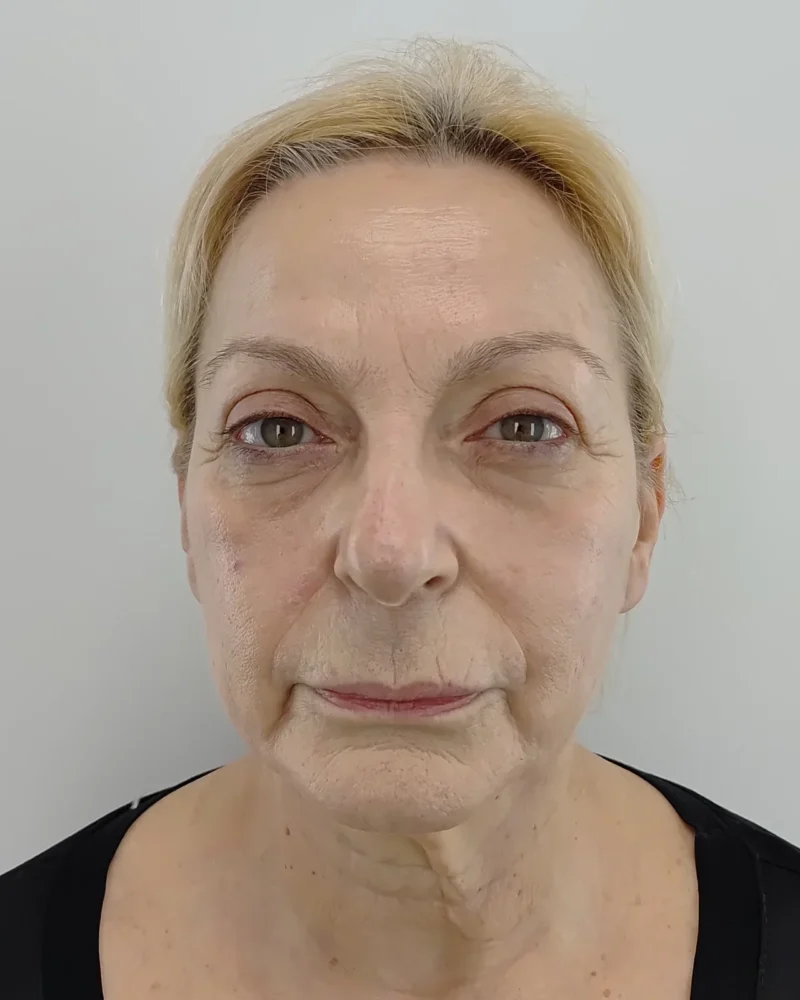 Before
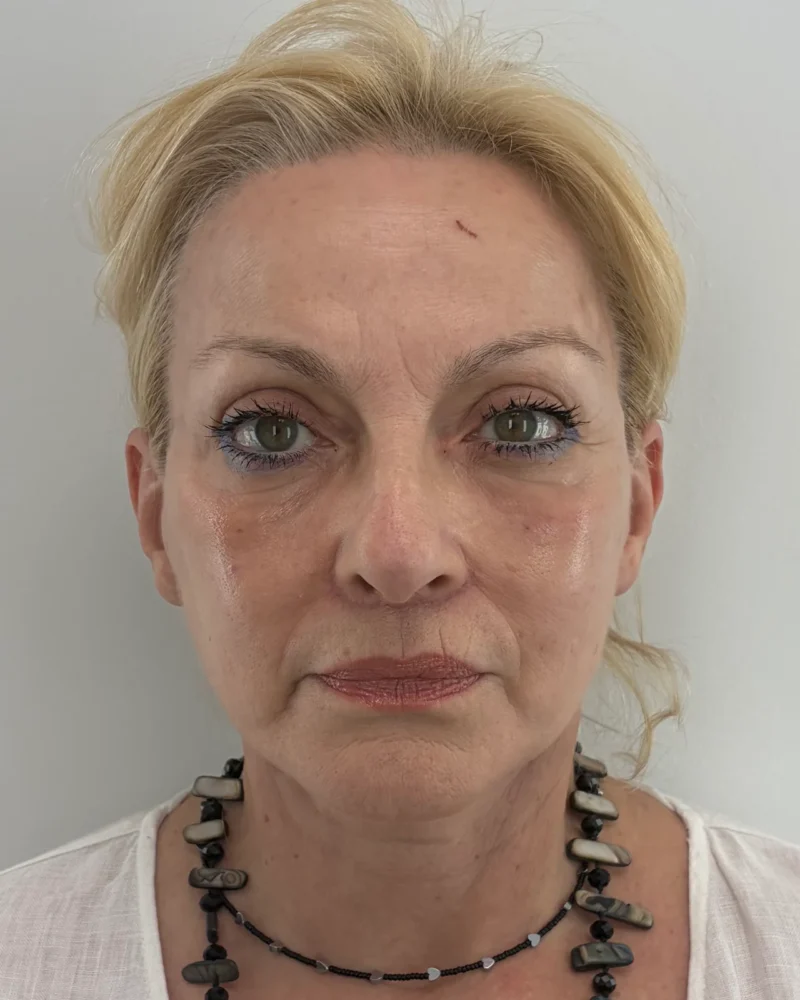 After
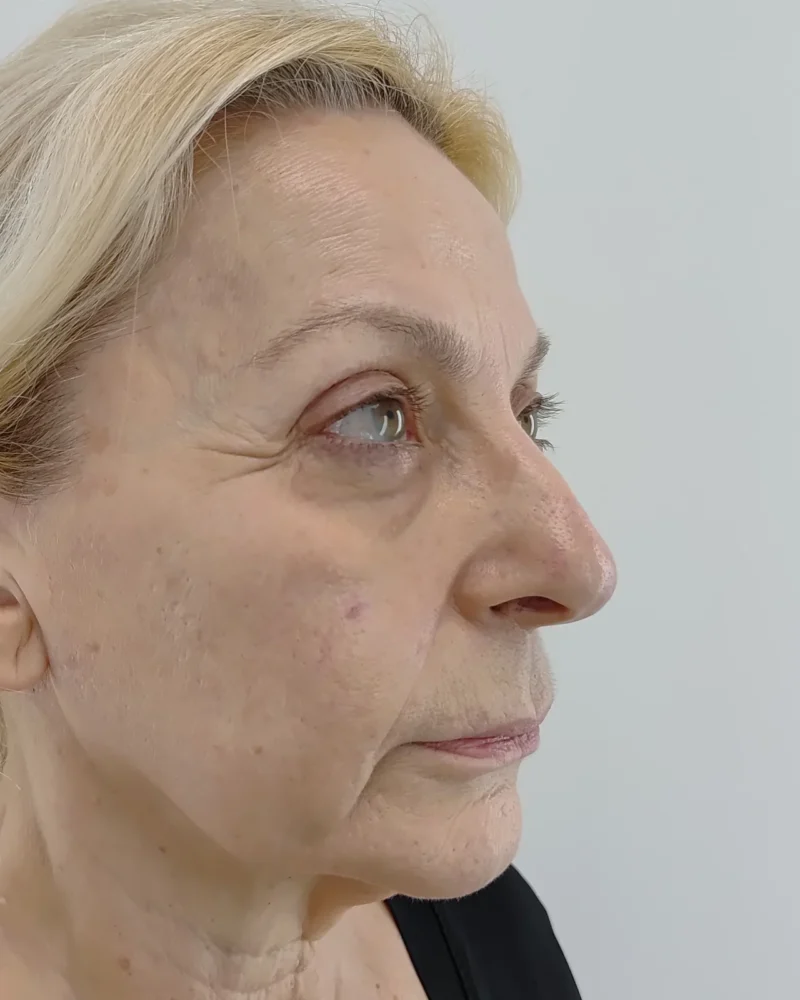 Before
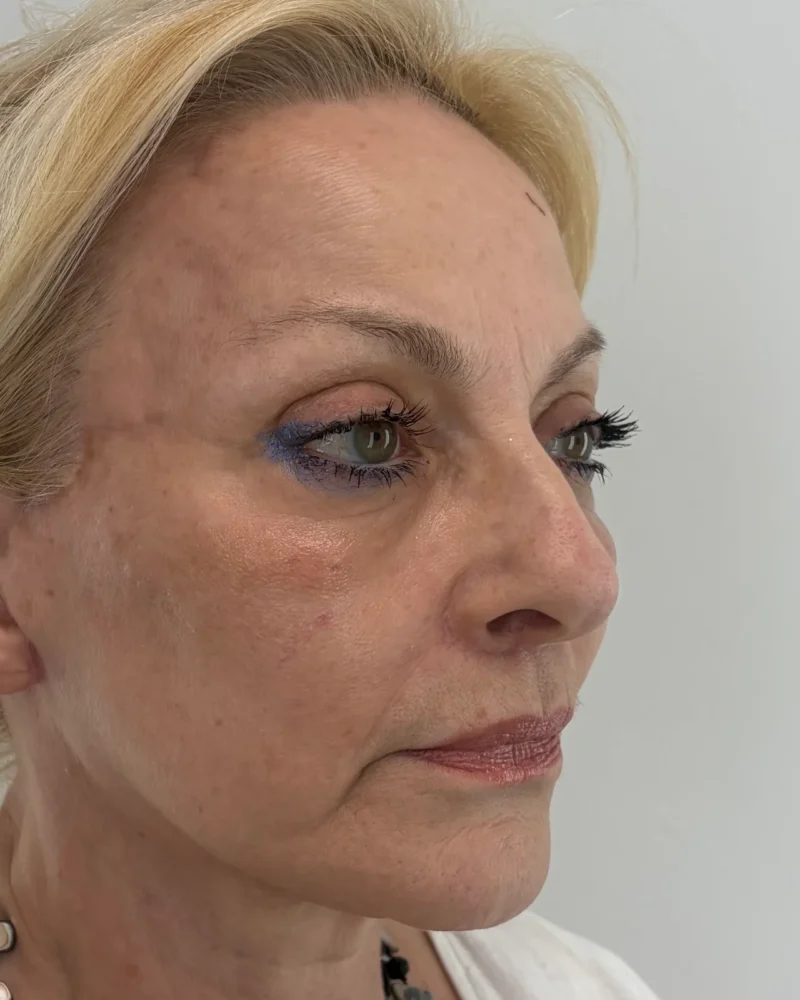 After
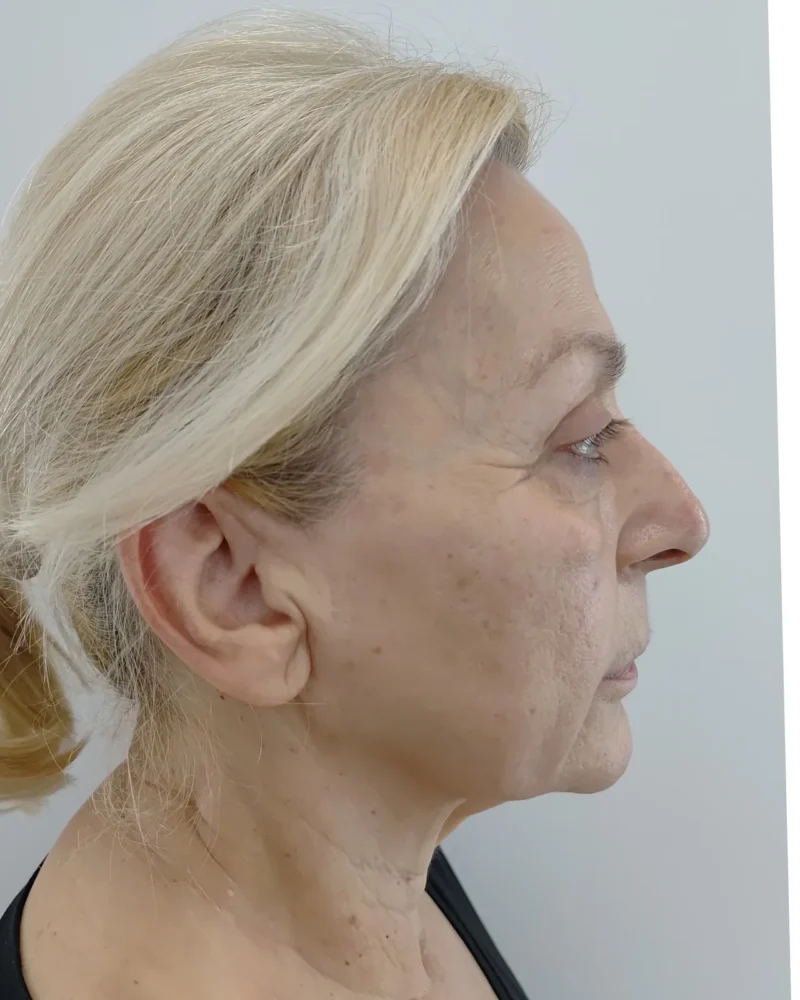 Before
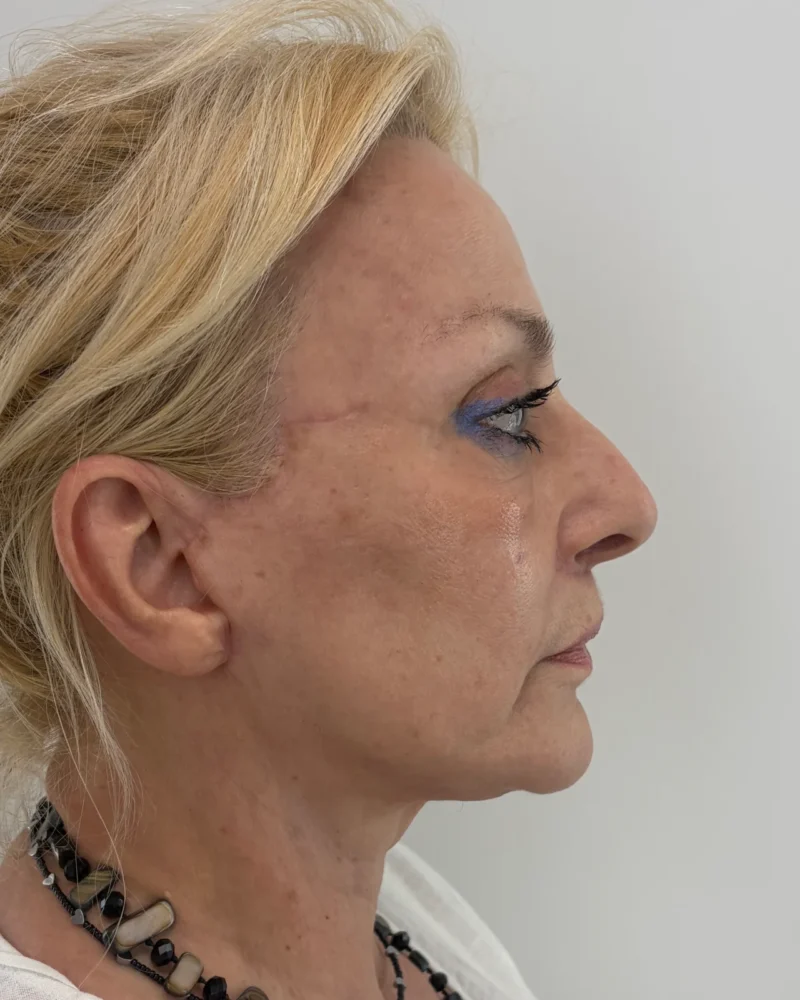 After
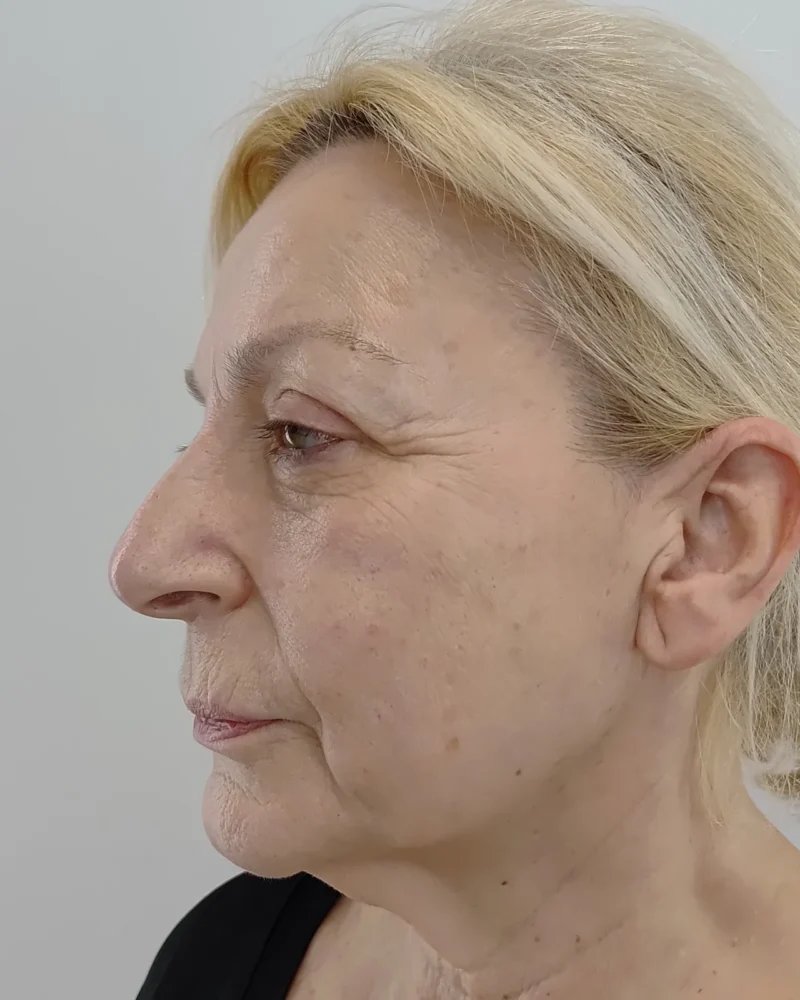 Before
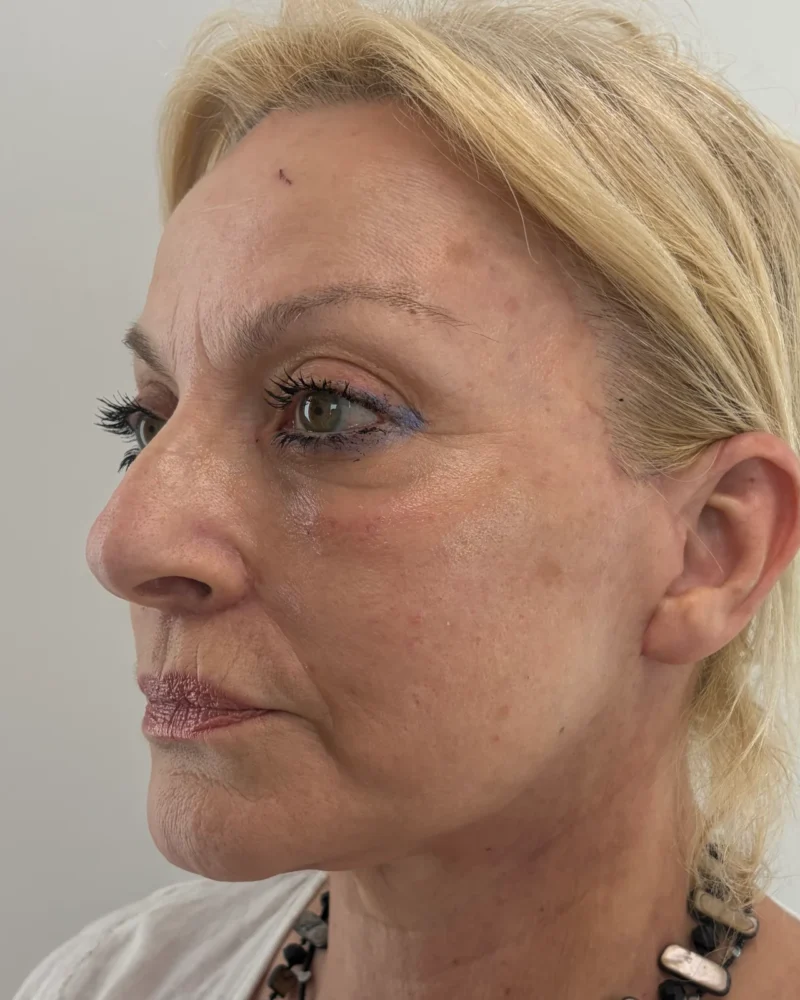 After
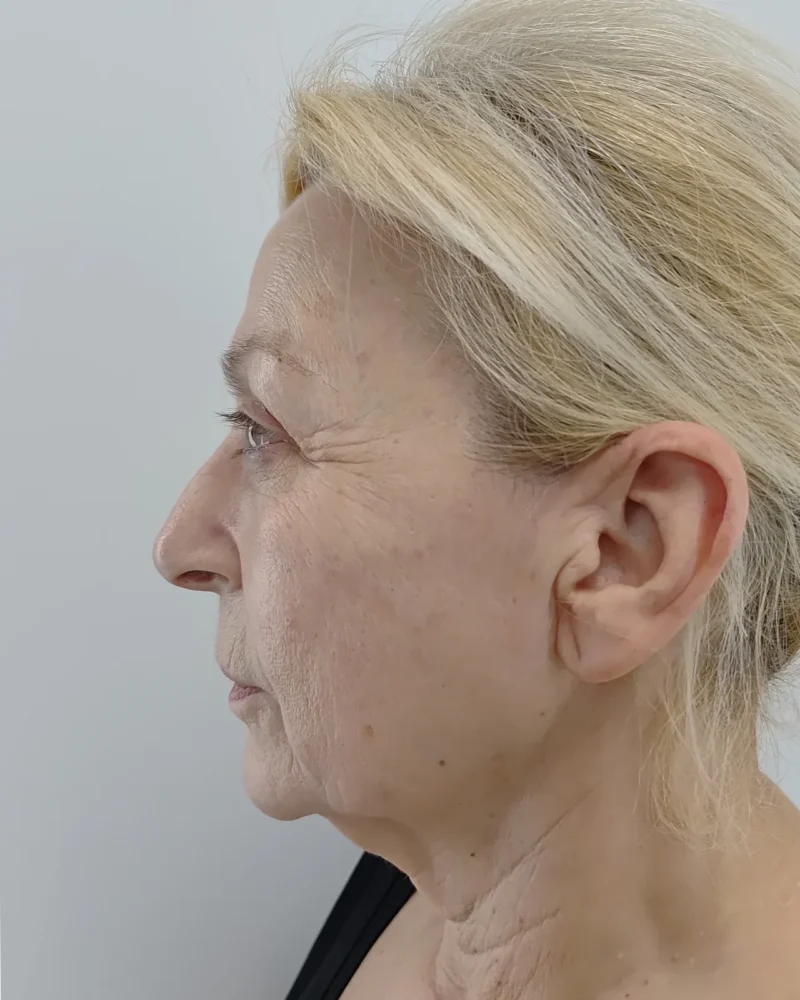 Before
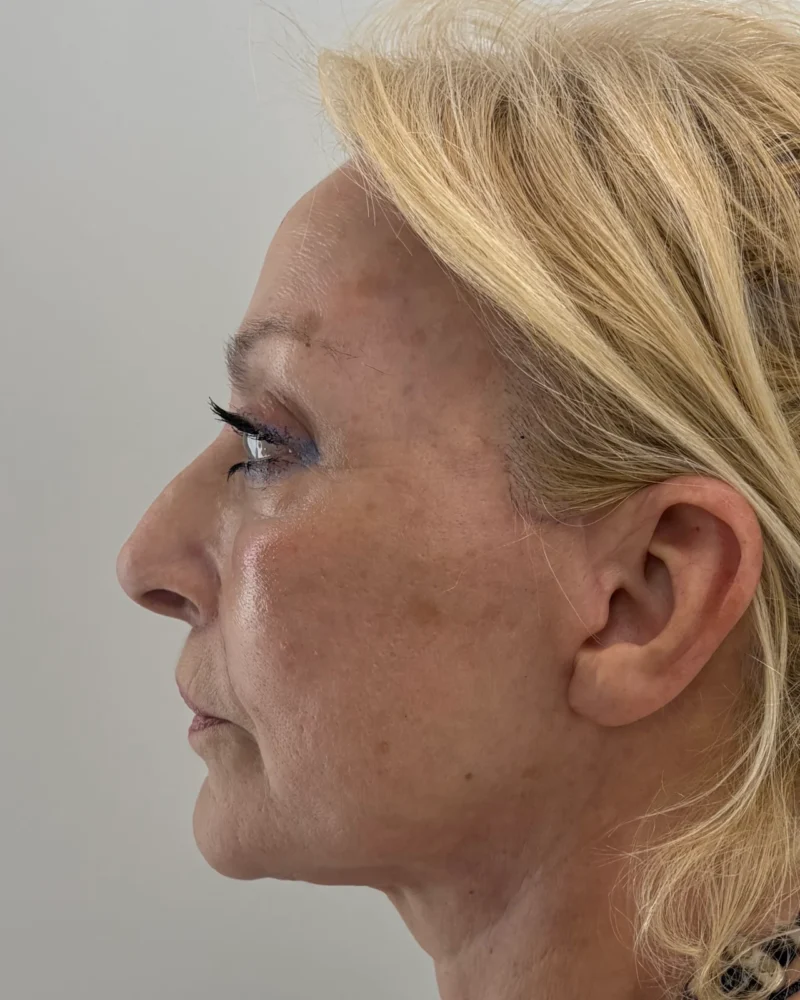 After
Front
Deep plane facelift and lip lift
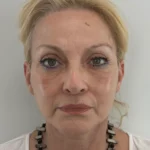
Woman, 60–70 · Deep plane facelift and lip lift · 4 months after · Surgeon: Dr Prodromos Papaioannou
Contact usSee this case →All results: Facial rejuvenation →
Results vary from patient to patient.
Do I need a facelift or facial aesthetic surgery?
The deciding factor is not your age but the kind of change you want. If something has dropped or loosened over the years, the route is rejuvenation. If you want to change the shape of a feature, the route is facial aesthetic surgery. Many faces need a little of both.
For practical purposes we divide the face into three thirds: the upper third, down to and including the upper eyelids; the middle third, down to the corners of the mouth; and the lower third, with the jawline and neck. In the middle third the aim is to lift the cheeks, soften the nasolabial folds that have deepened with time, and improve the lines at the corners of the mouth that come from laxity. A classic facelift works mainly on the jawline and neck; a midface lift targets the cheekbones and the area below the eyes.
At the consultation we look at each third separately and decide which operation matches what bothers you.
What is facial feminisation surgery (FFS)?
Facial feminisation surgery (FFS) is a group of operations that give the face more feminine features, for trans women. It belongs to gender-affirming surgery, but it rests on the same principles as the rest of my facial work: proportion, correction at the right level, and a natural result. That is why it is listed here too.
Preparation follows the WPATH Standards of Care, Version 8. It is planned for each face individually and may include forehead reconstruction (types 1, 2 and 3) with brow lift, hairline advancement, cheek implants, chin reduction, feminising rhinoplasty, submandibular gland reduction and Adam’s apple reduction (tracheal shave).
Facial feminisation surgery (FFS)
Frequently asked questions
Can I combine facial procedures in one operation?
Yes, and combining them often gives the most balanced result. A facelift is often combined with blepharoplasty or with a forehead and brow lift, because laxity rarely stays within one third of the face. Rhinoplasty is often combined with a facial implant, because the nose is judged together with the chin in profile. At the consultation we work out what can be done together, under one anaesthetic and with one recovery, and what is better left for a second stage.
Do you use fat from my body in facial surgery?
Yes. In many facial operations I add nanofat: fat taken from your own body and processed into a very fine graft. I use it as a complement to the operation and rarely on its own, because the proportion of fat that survives is unpredictable. For that reason I do not see it as a substitute for repositioning the tissues, but as a supporting step within the same operation. Whether it is useful in your case is something we discuss at the consultation.
Who performs the surgery, and where?
I am Prodromos Papaioannou, a plastic surgeon on the specialist register since 2012 and a member of HESPRAS (Hellenic Society of Plastic, Reconstructive and Aesthetic Surgery) and an International Member of the American Society of Plastic Surgeons (ASPS). I perform 50–70 deep plane facelifts a year. I operate at Interbalkan Medical Center in Thessaloniki and at Athens Medical Center in Marousi. The before and after photos on this page are of my own patients, so you can judge my work by results rather than descriptions. I carry out every follow-up check myself.
How do I start if I don’t know which procedure I need?
Book a consultation and bring along whatever bothers you, even if you don’t know what it is called. We examine your face third by third, look at photos from the front and in profile, and decide whether the route is rejuvenation, facial aesthetic surgery or a combination. You will learn what can change, what cannot, and what recovery will involve. A consultation lasts 25–30 minutes, in person or by video.
Consultation
In Thessaloniki, in Athens or by video. Examination, options and a written plan.