
Face · Rejuvenation
Facelift in Thessaloniki and Athens, Greece: the complete guide
This guide is for people who have decided on a facelift and want to compare their options before a consultation. It covers the techniques and how they differ, the mini facelift, which procedure suits each area of the face, preparation, recovery and how to choose a surgeon. I operate in Thessaloniki and Athens.

Medically reviewed by Dr Prodromos Papaioannou, Plastic Surgeon, HESPRAS member, ASPS International Member · Last reviewed:
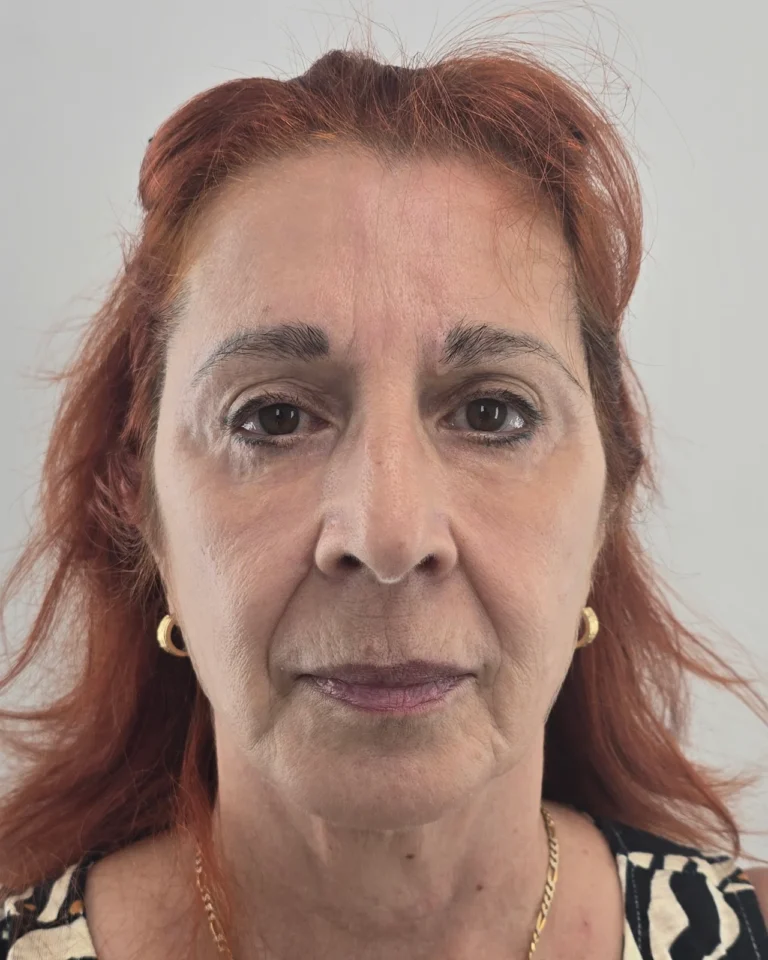
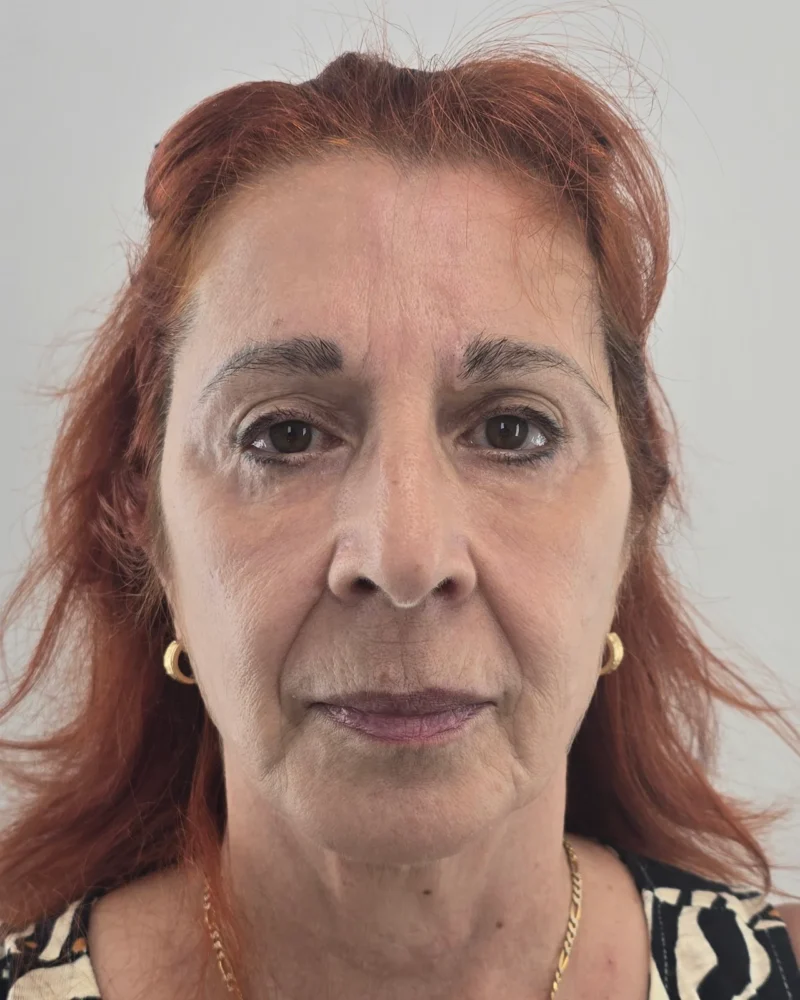 Before
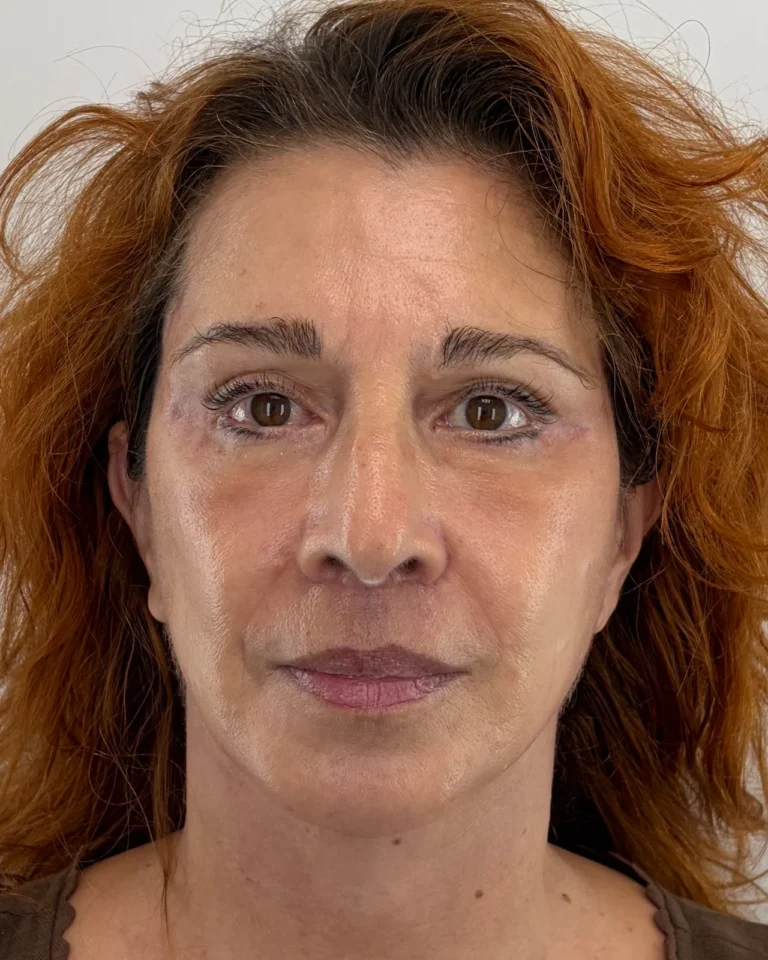
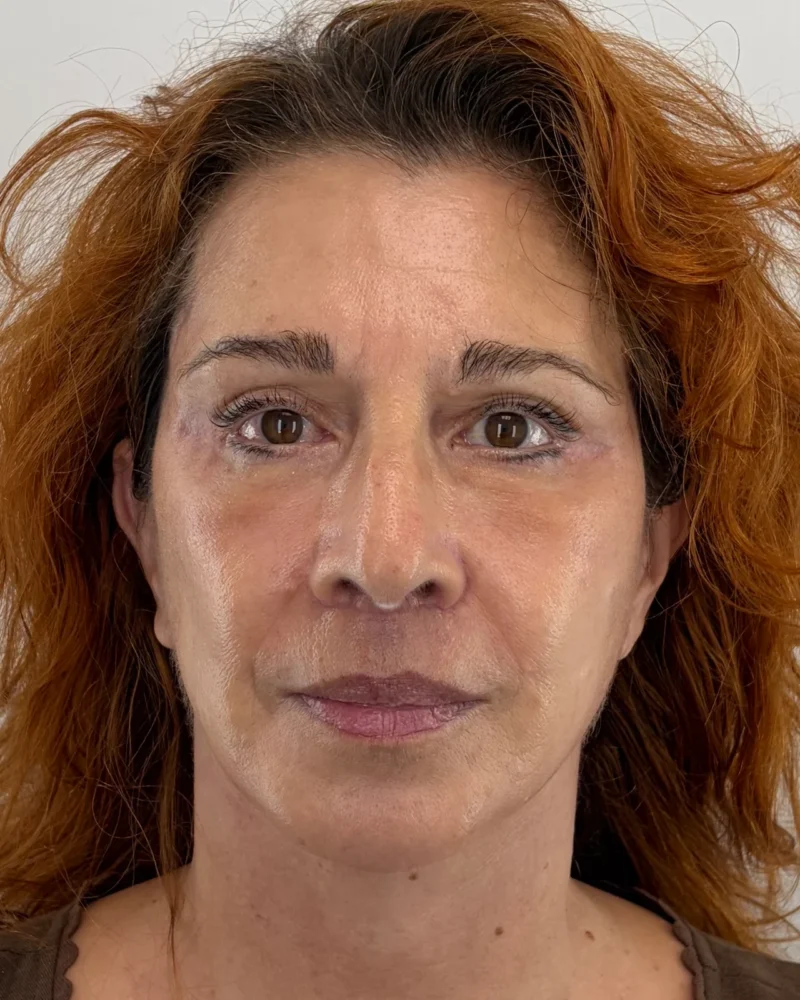 After
After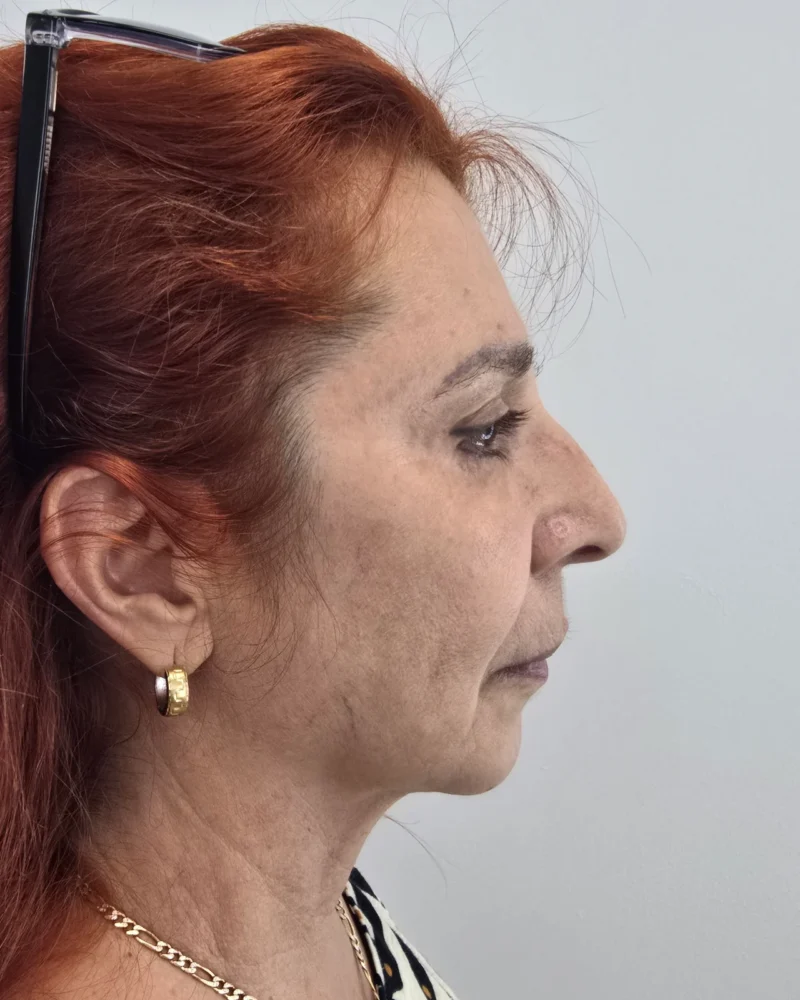 Before
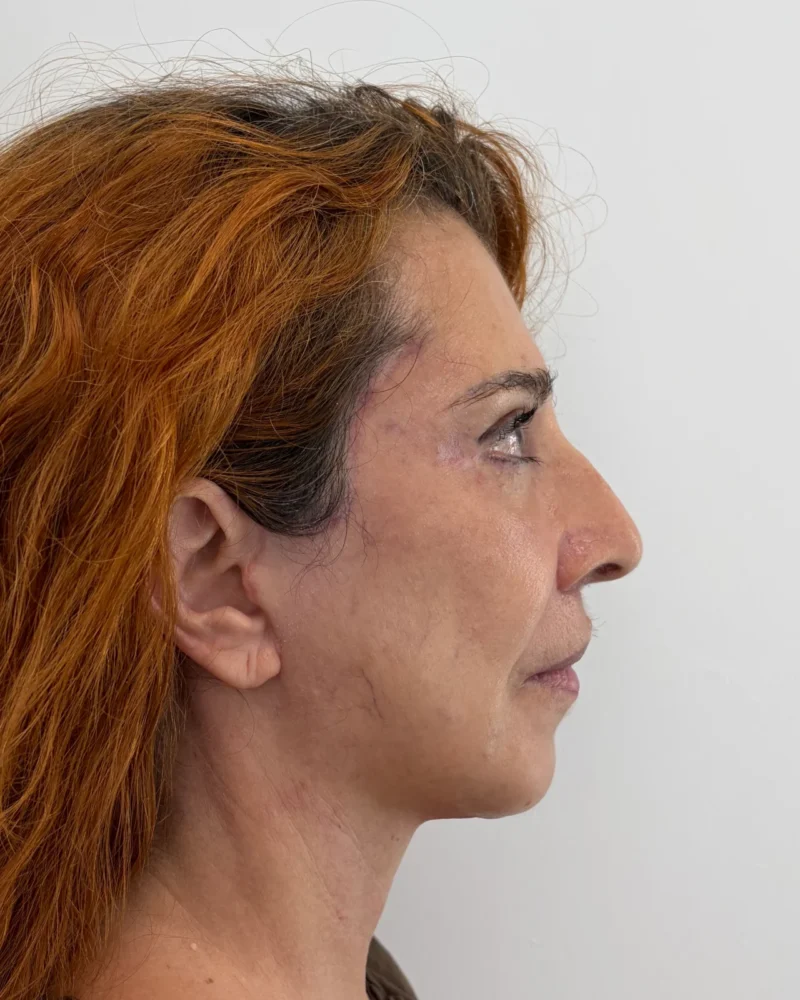 After
After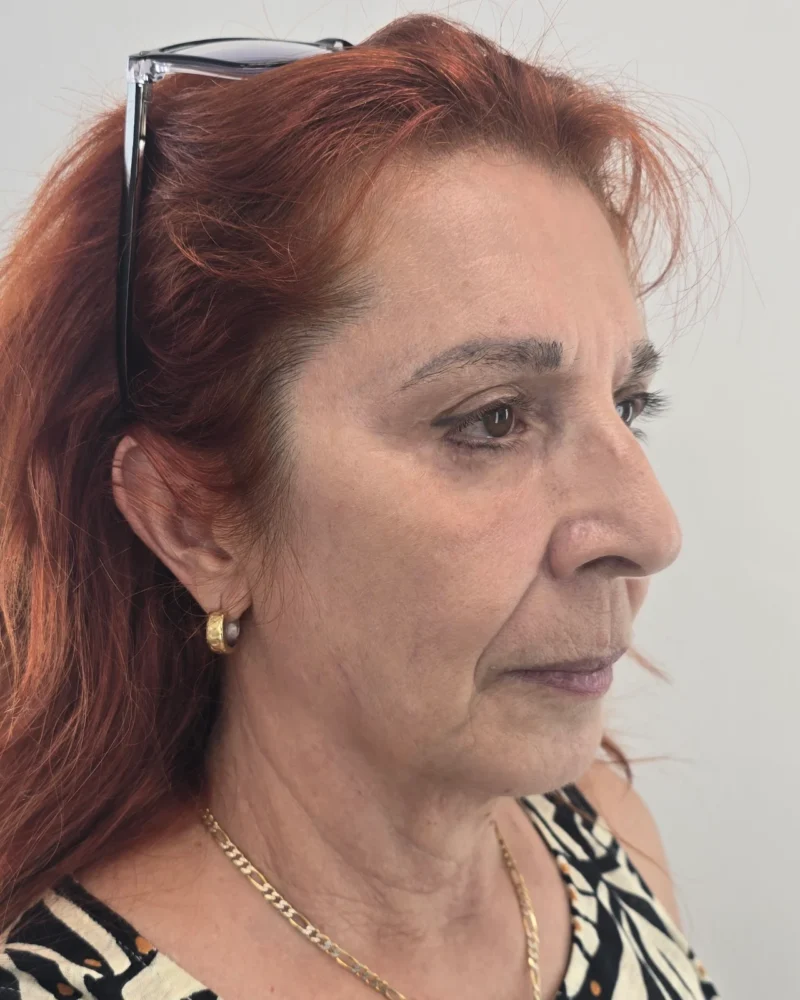 Before
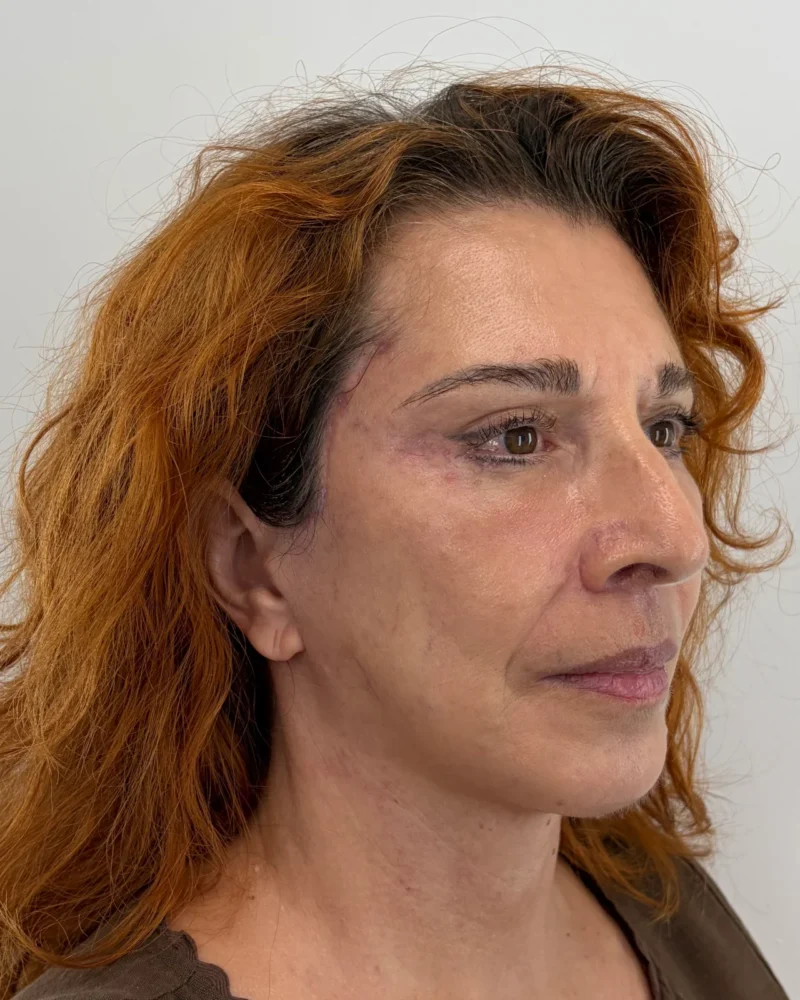 After
After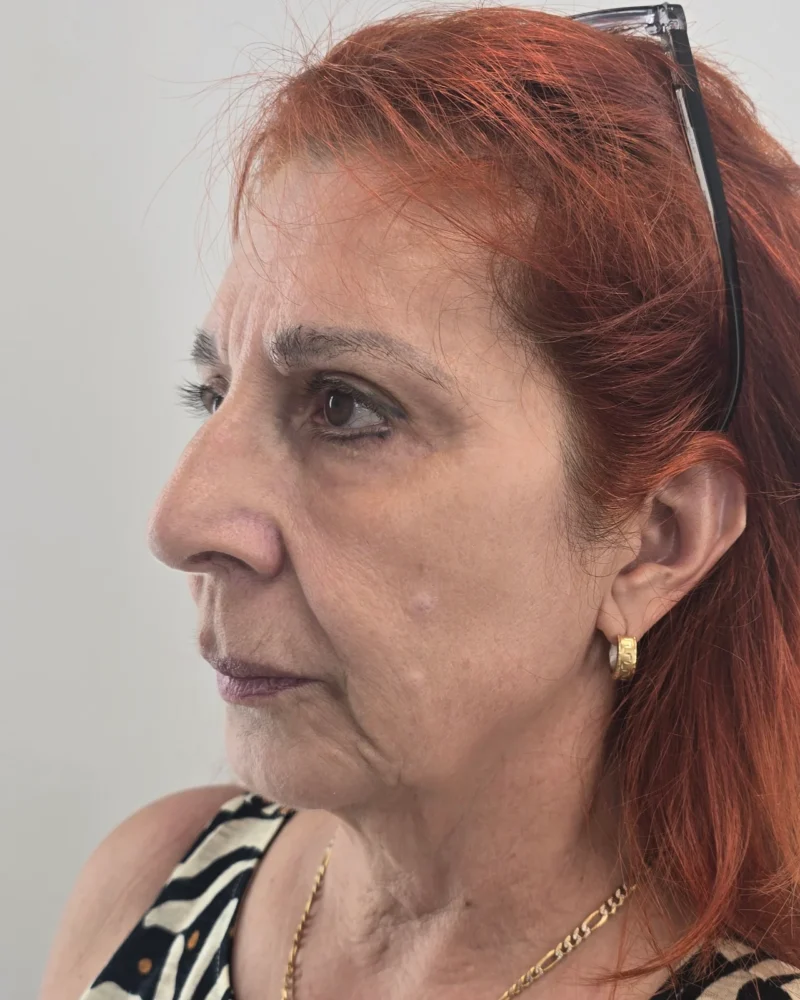 Before
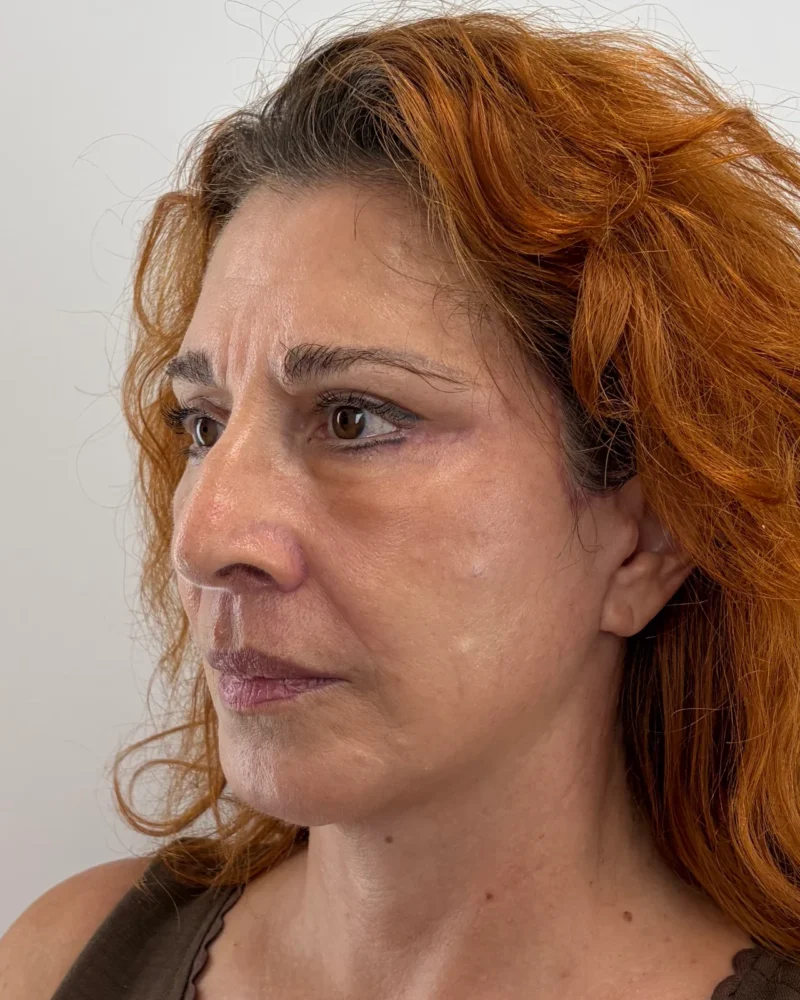 After
After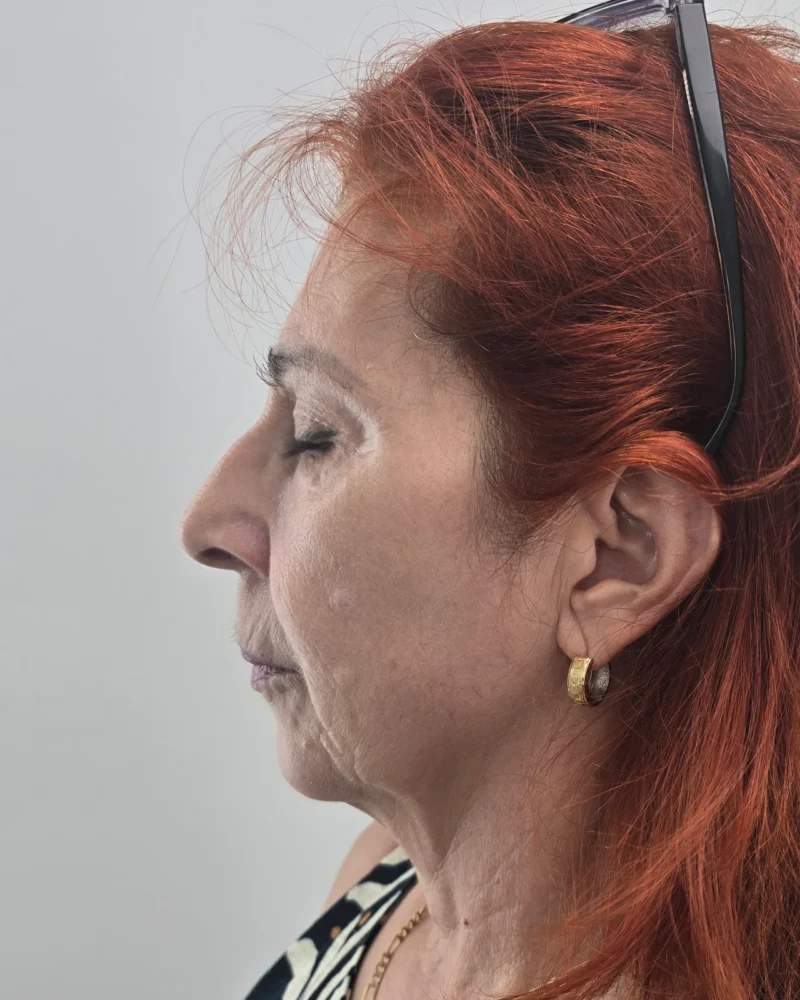 Before
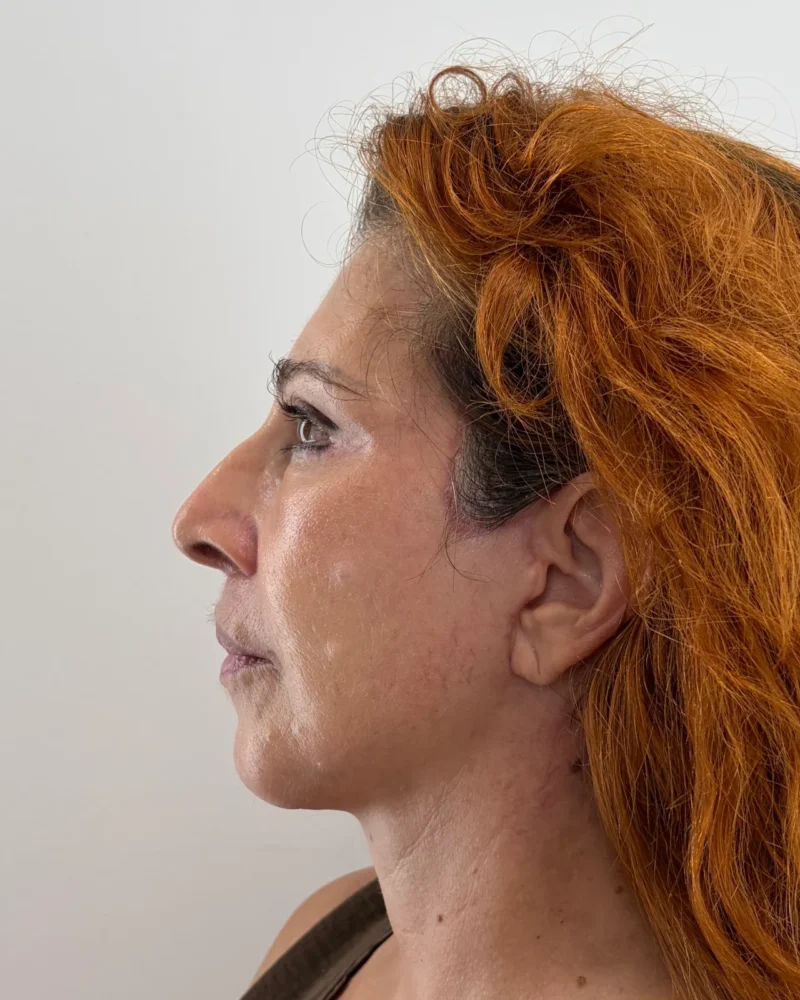 After
After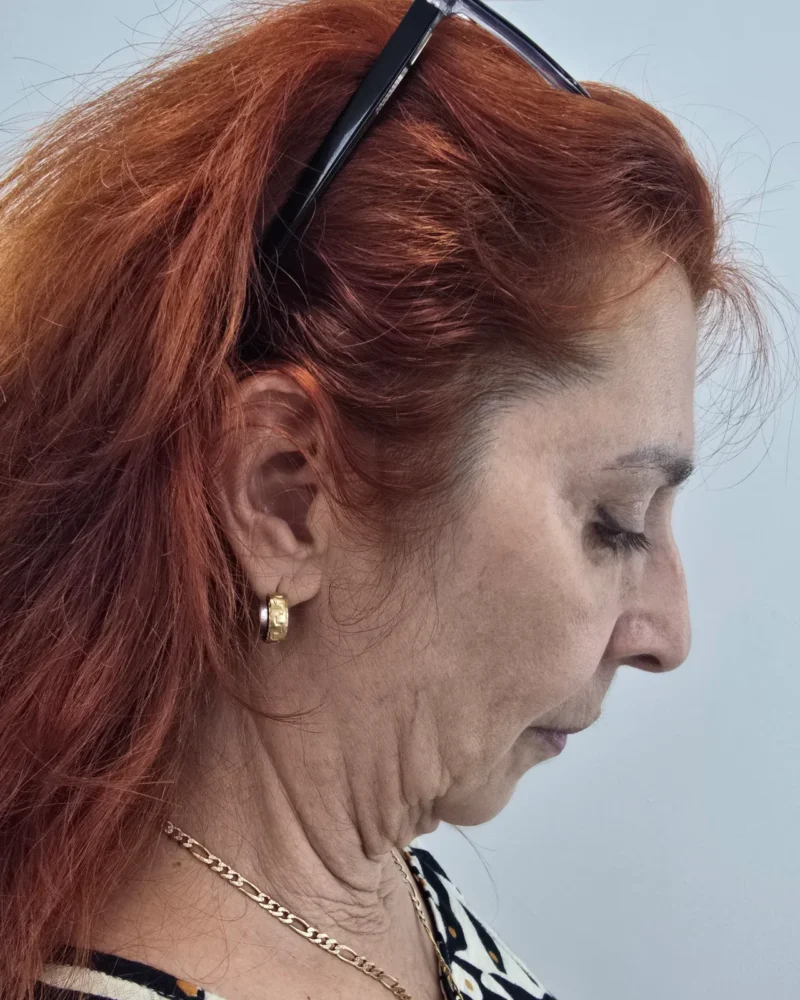 Before
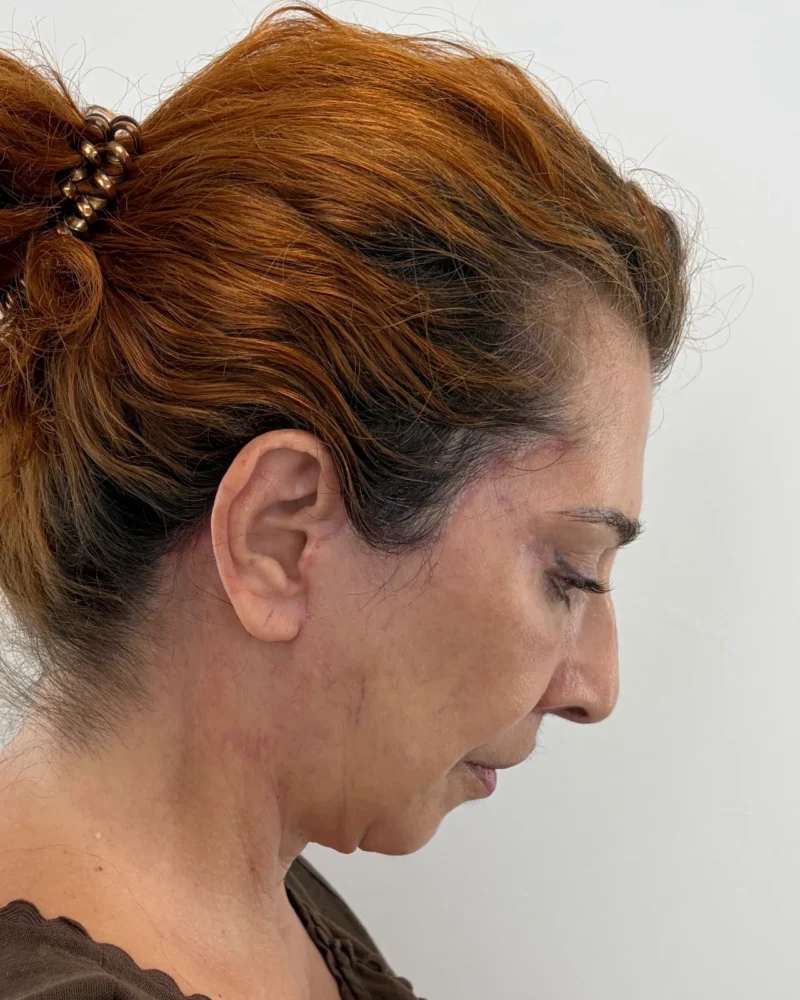 After
After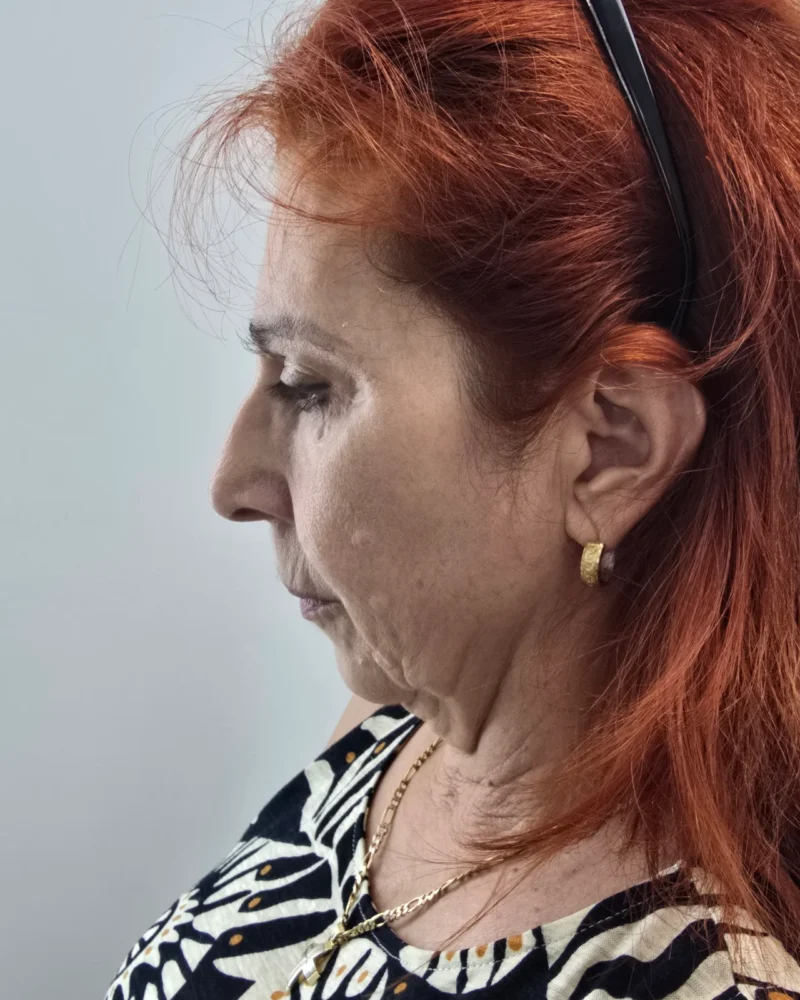 Before
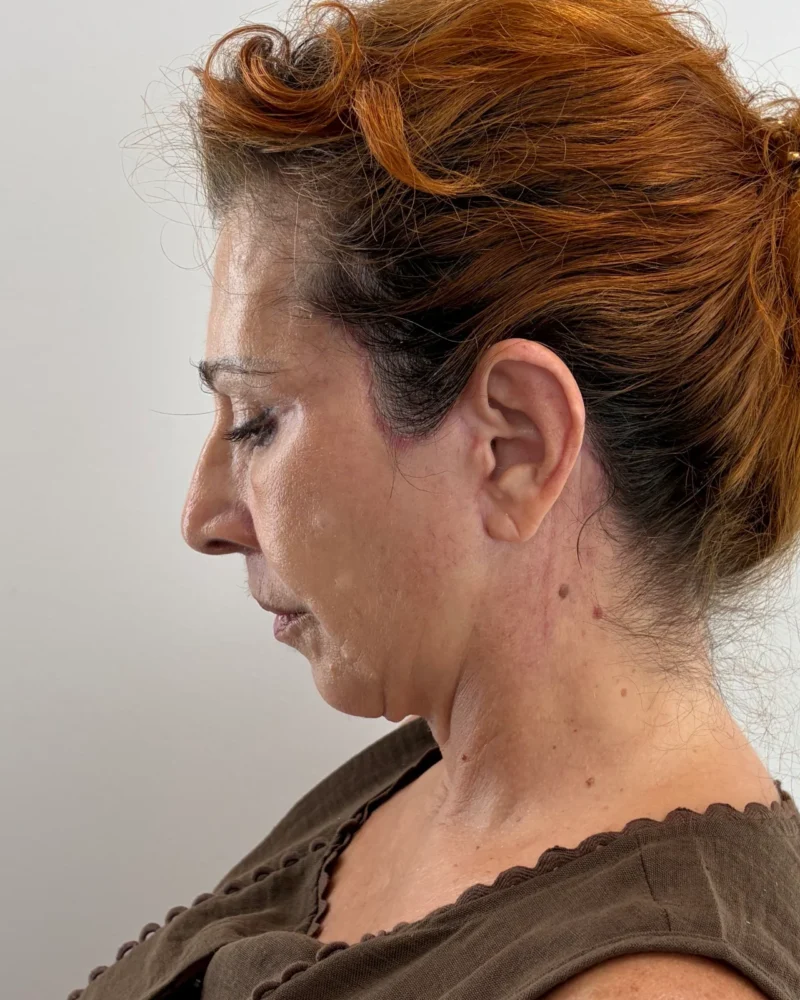 After
AfterFront
Deep plane facelift
Woman, 50–60 · Deep plane facelift · 3 months after · Surgeon: Dr Prodromos Papaioannou
Contact usSee this case →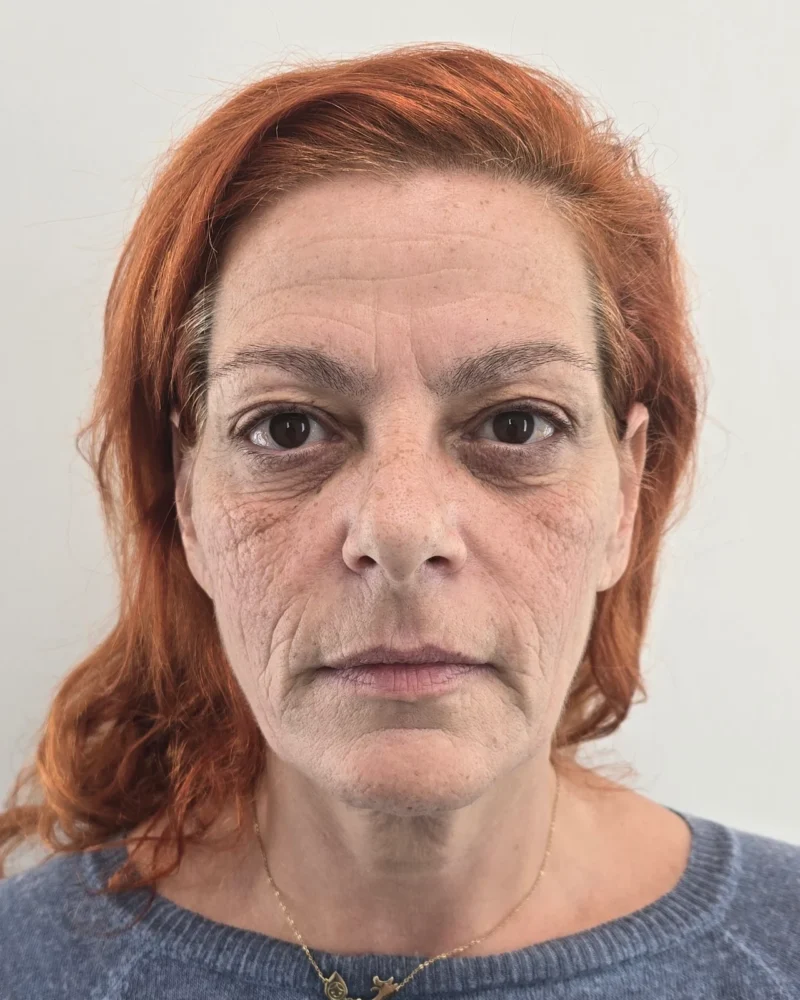 Before
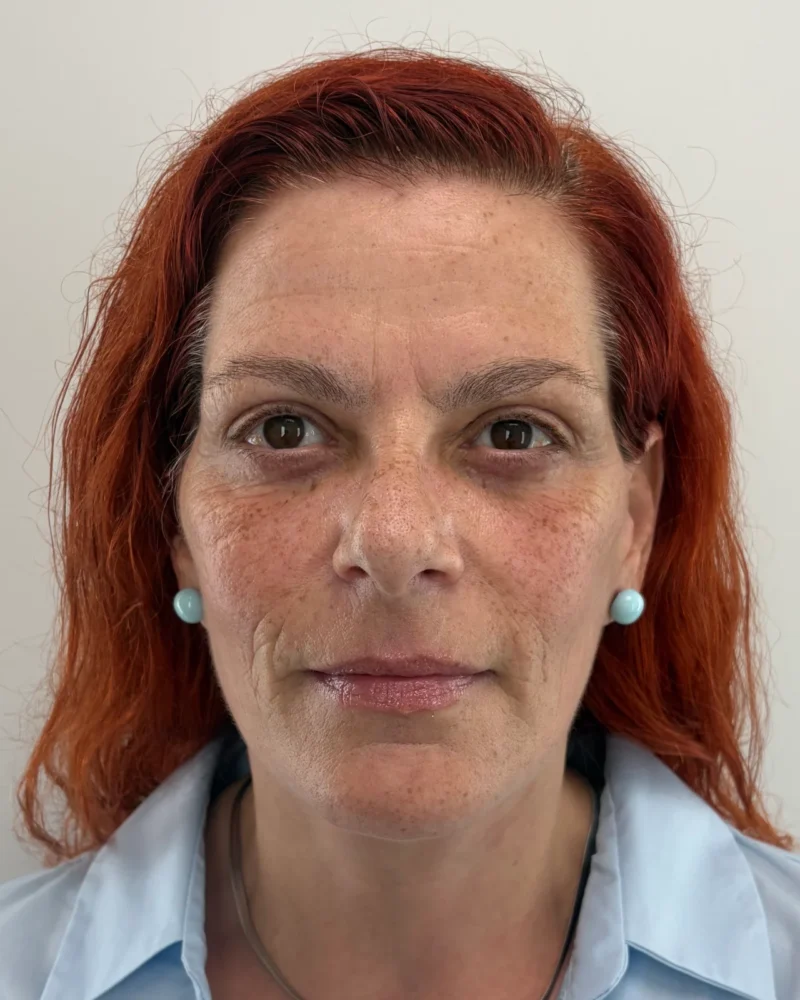 After
After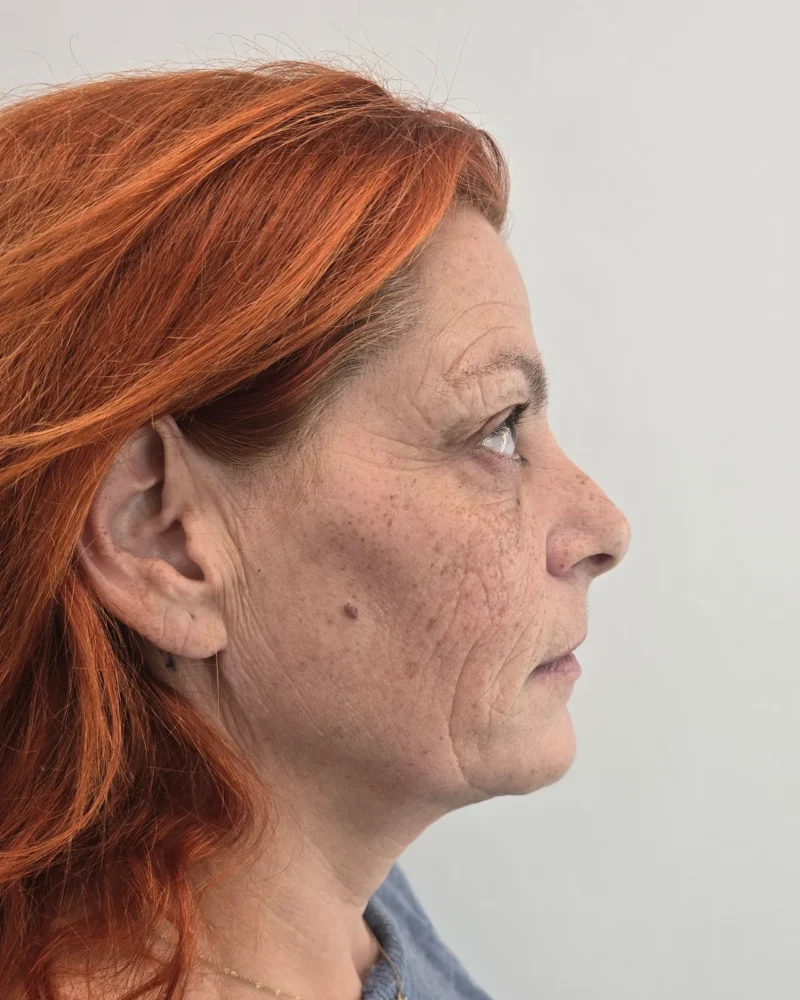 Before
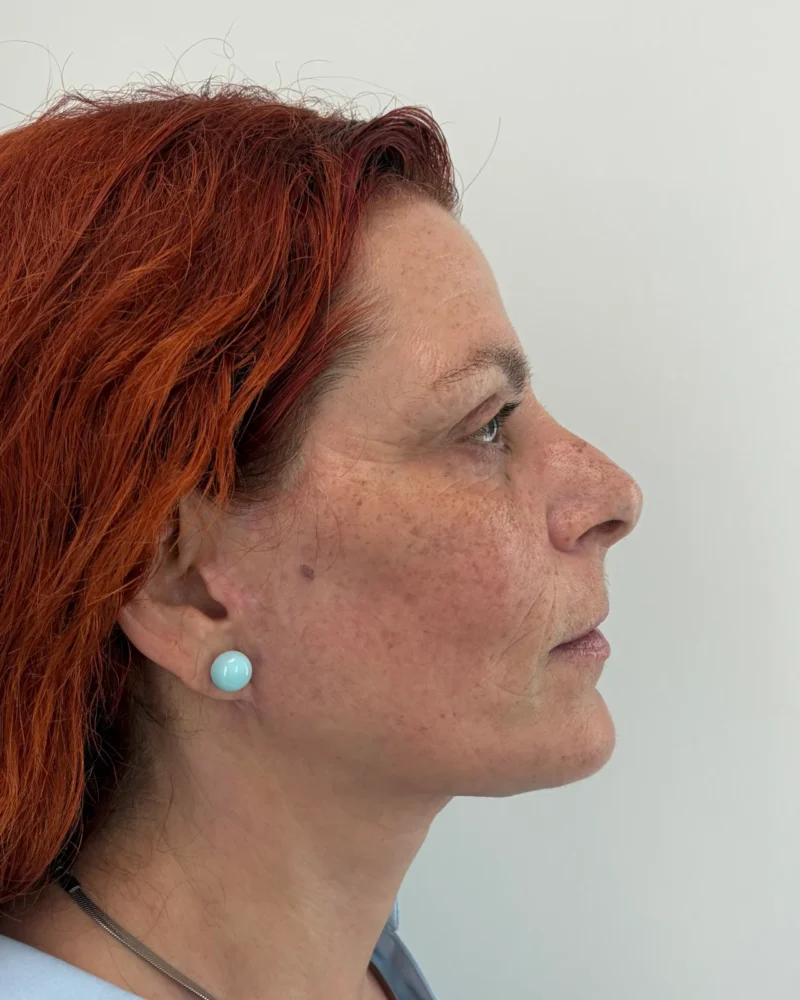 After
After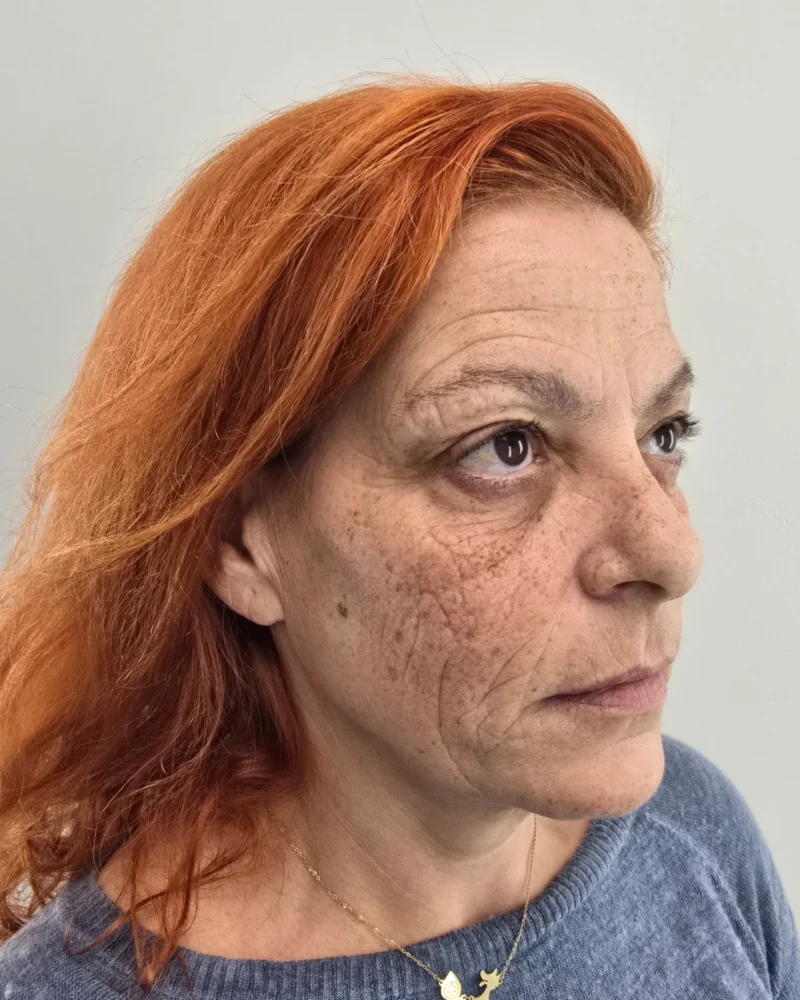 Before
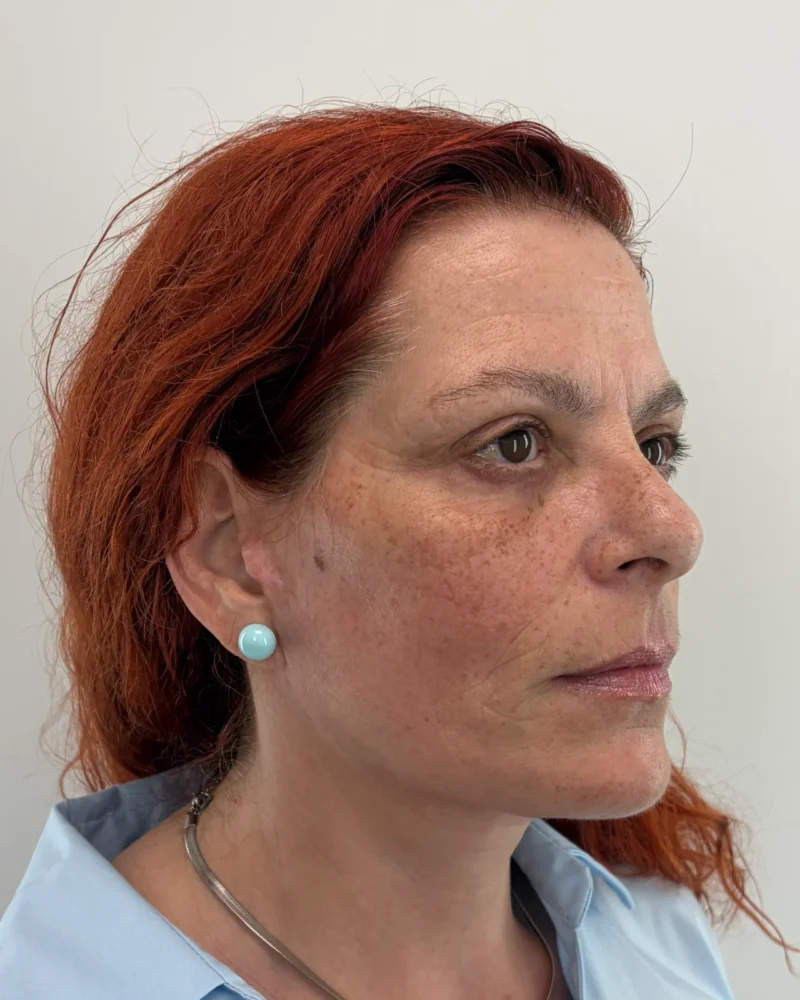 After
After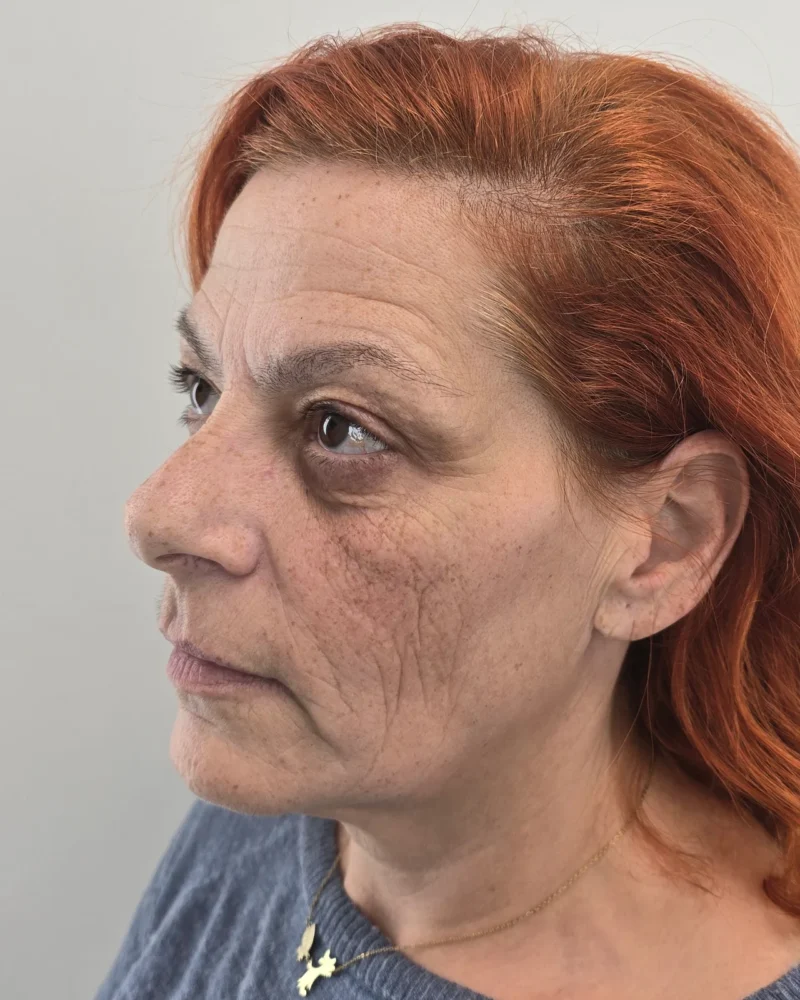 Before
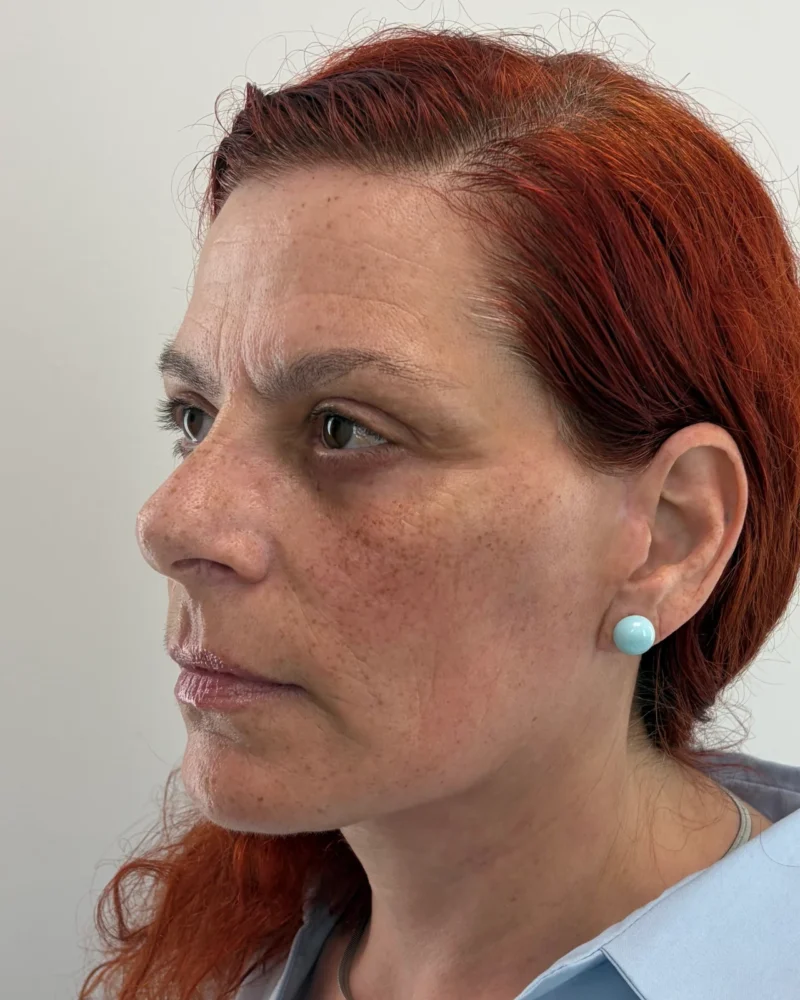 After
After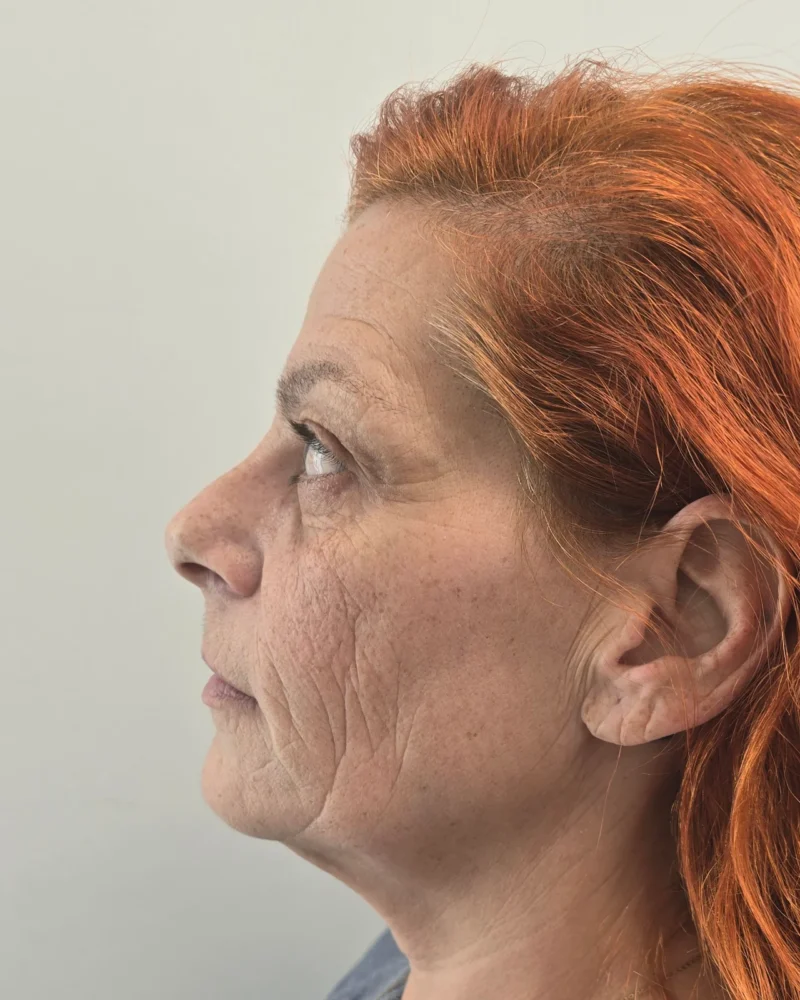 Before
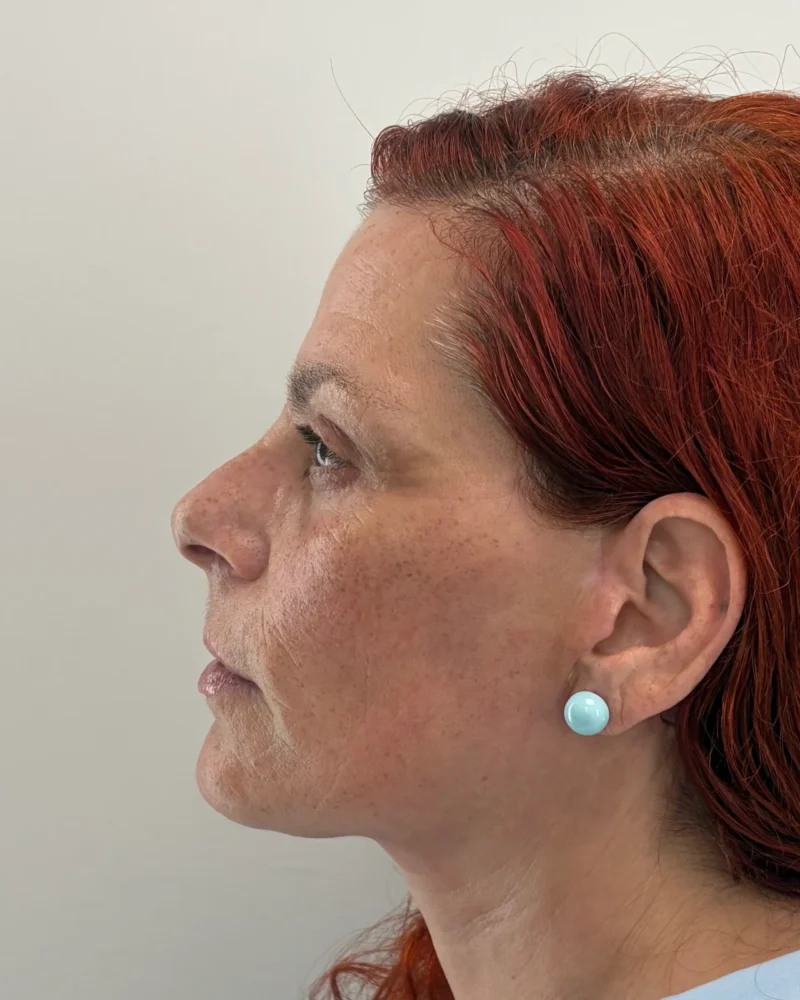 After
AfterFront
Deep plane facelift and upper blepharoplasty
Woman, 45–50 · Deep plane facelift and upper blepharoplasty · 7 months after · Surgeon: Dr Prodromos Papaioannou
Contact usSee this case →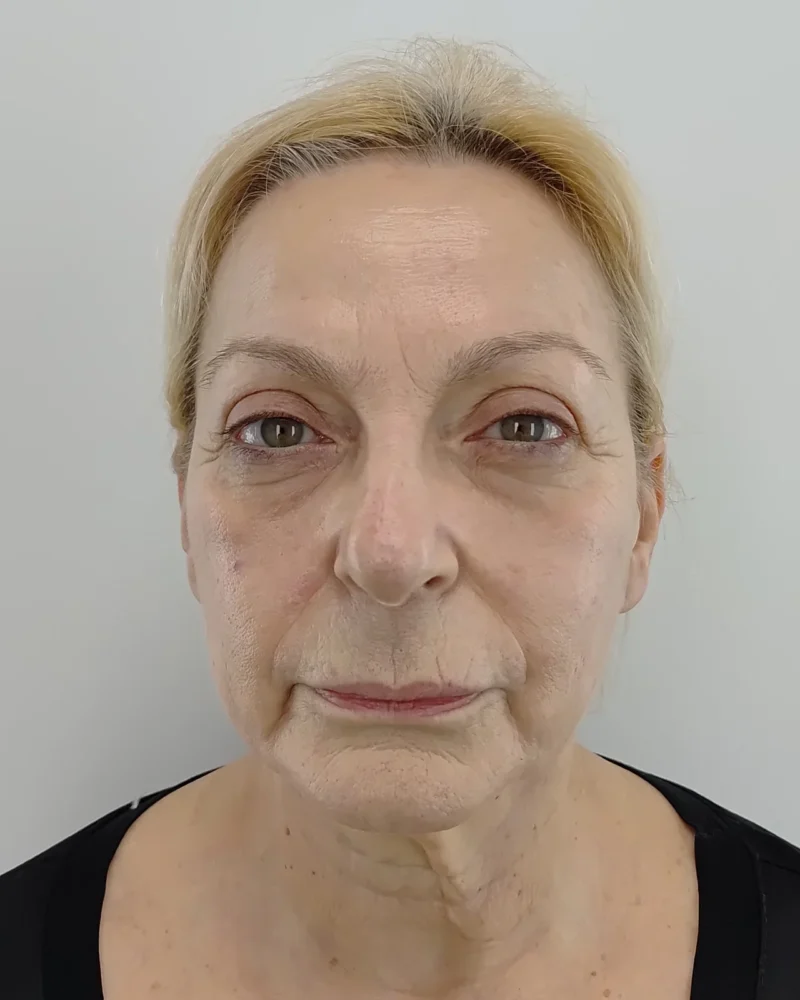 Before
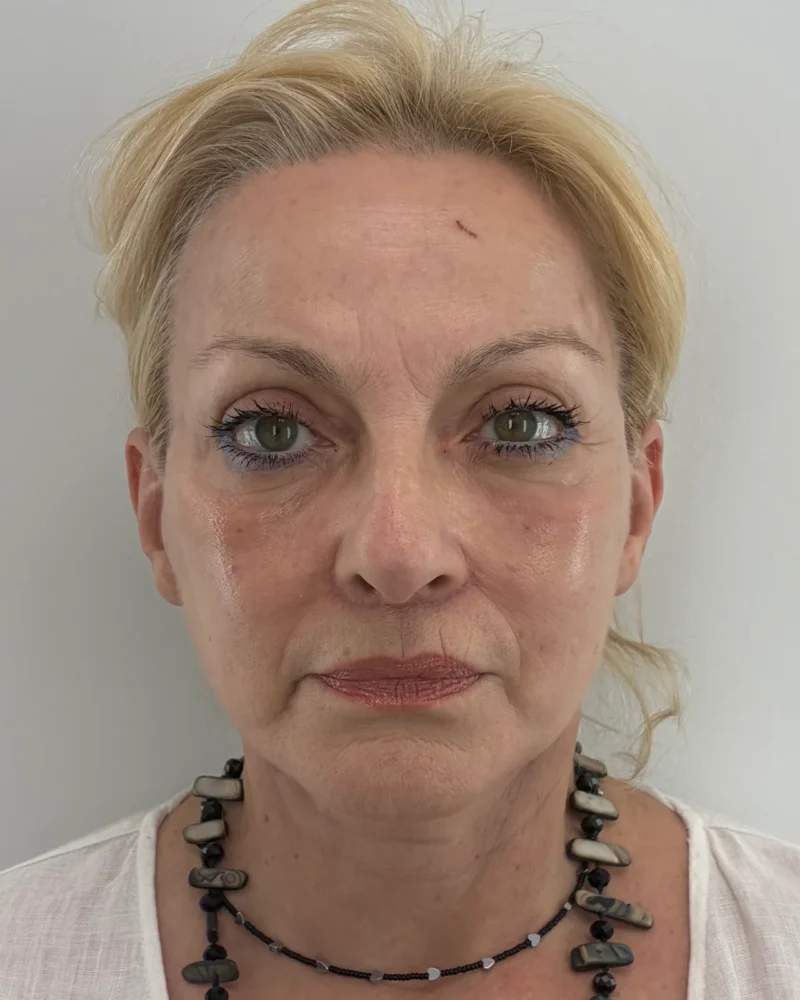 After
After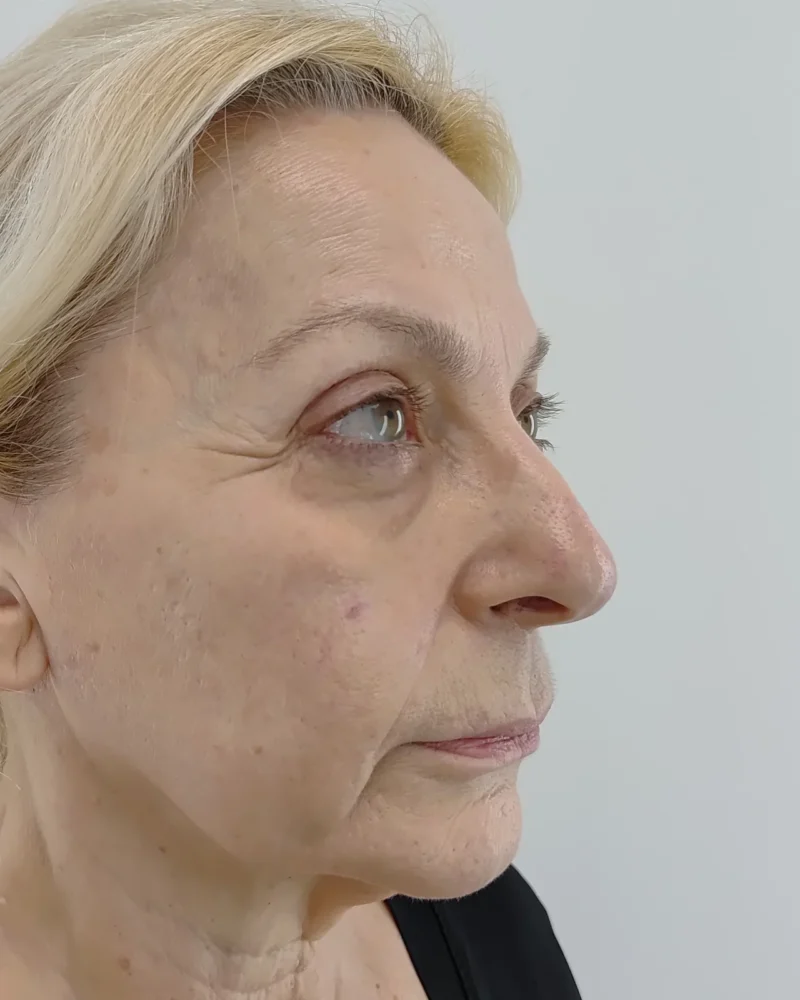 Before
 After
After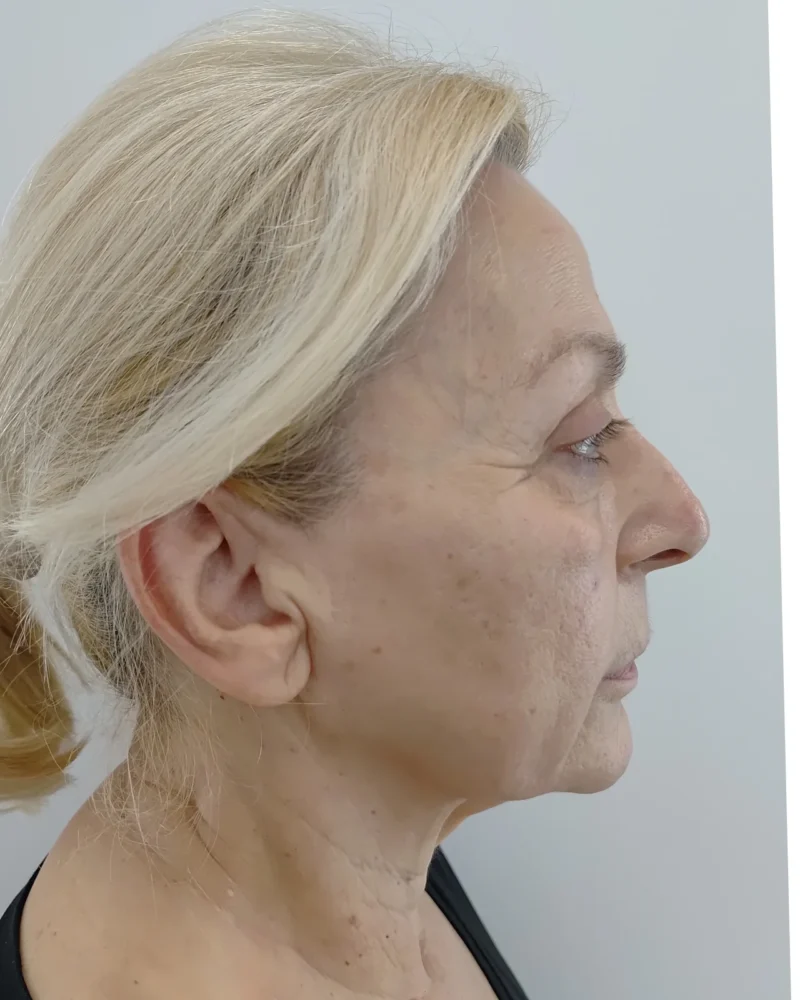 Before
 After
After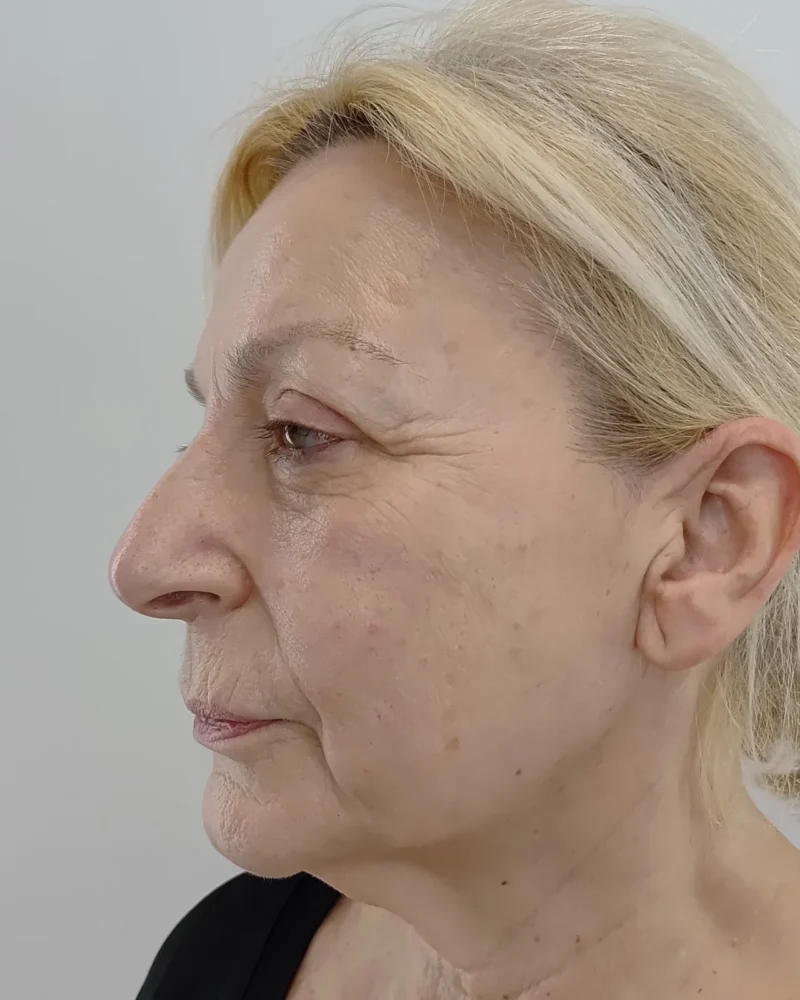 Before
 After
After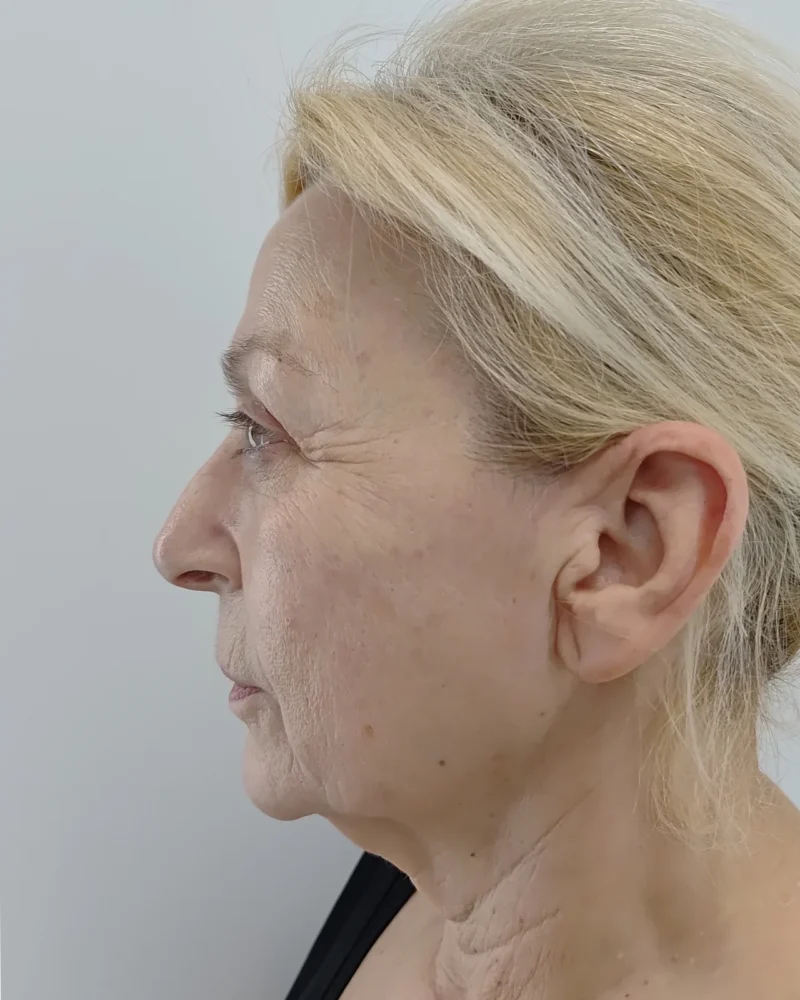 Before
 After
AfterFront
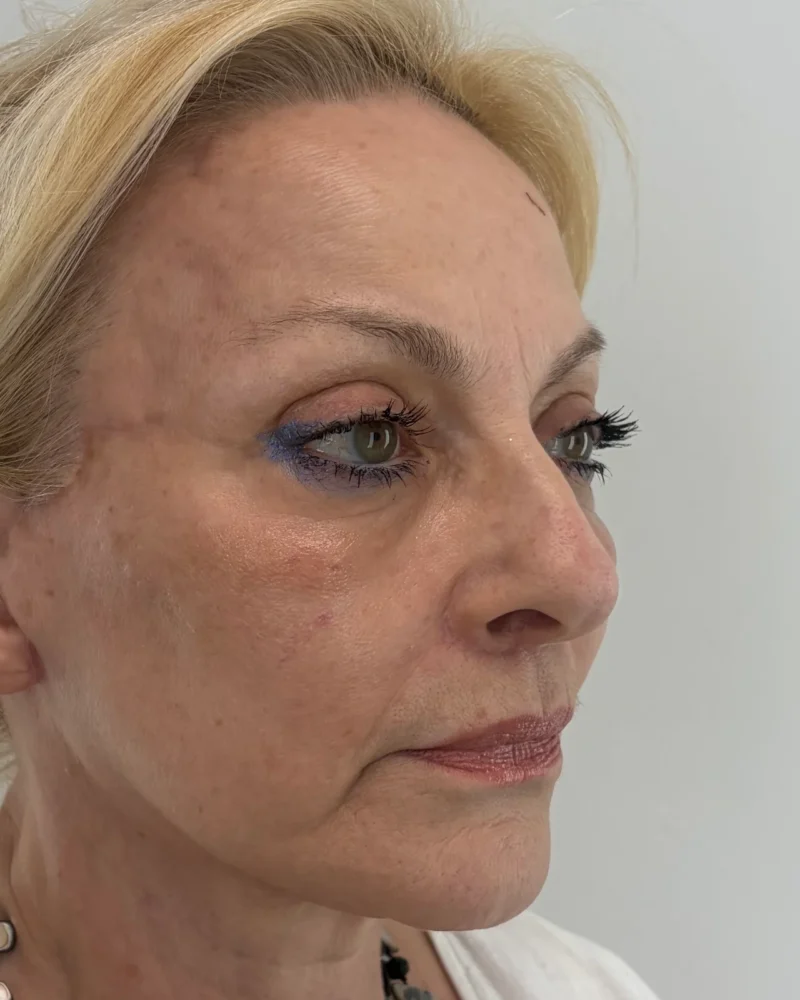
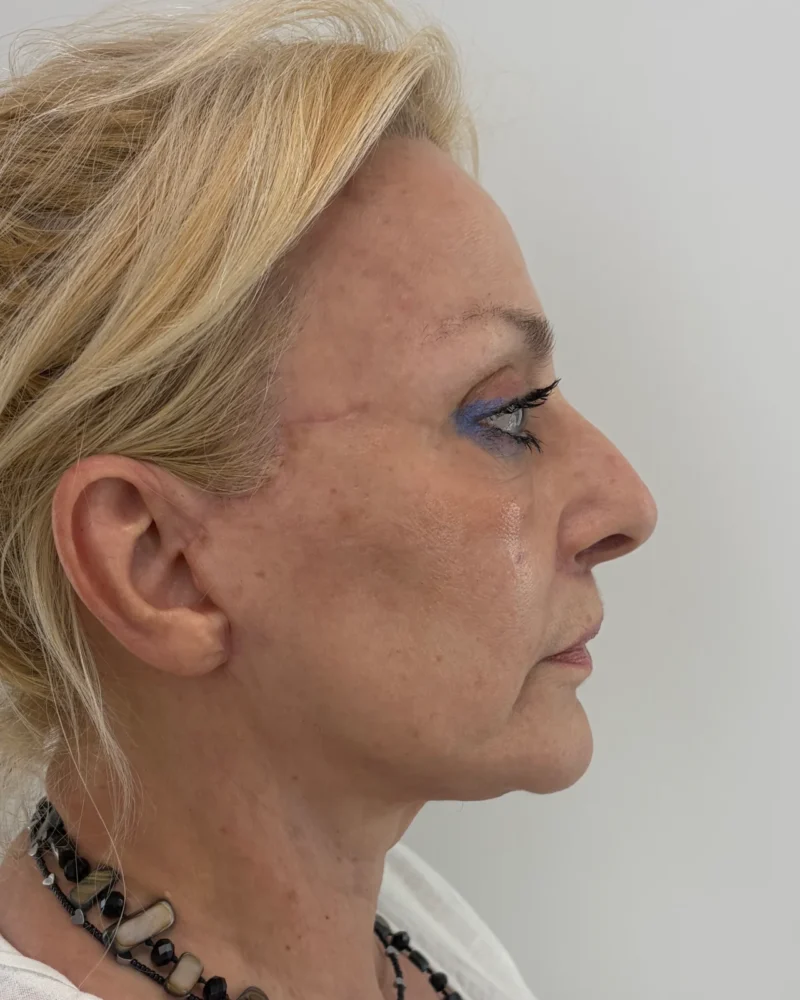
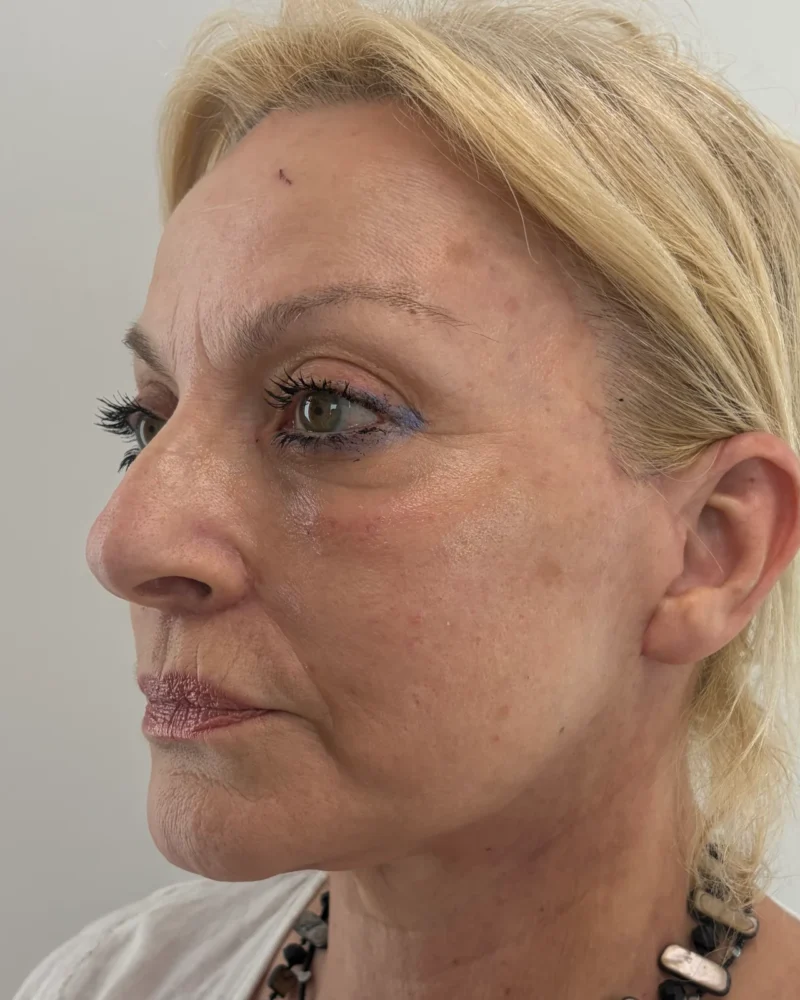
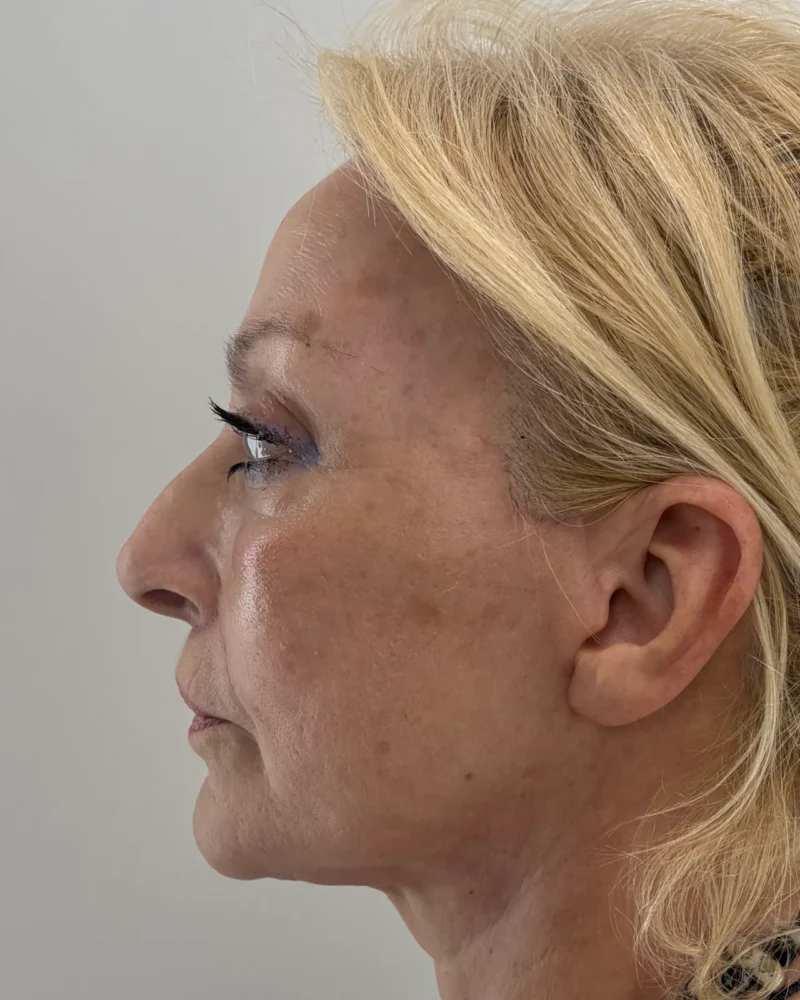
Deep plane facelift and lip lift
Woman, 60–70 · Deep plane facelift and lip lift · 4 months after · Surgeon: Dr Prodromos Papaioannou
Contact usSee this case →All results: Facial rejuvenation →
Results vary from patient to patient.
What causes the face to age?
Facial ageing is not only about the skin. Fat thins and descends, the ligaments and muscles that hold it in place loosen, and the facial skeleton changes gradually [1]. This is why the correction has to reach the deeper tissues, rather than simply tighten the skin on the surface.
The changes involve the skin, fat, muscles, ligaments and bone. The skin is the face’s outer covering: over the years it thins, loses its elasticity and is altered by sun exposure. The biggest changes, though, come from the fat beneath the skin, which also shrinks but above all slides downwards, disturbing the face’s harmonious contours. The ligaments and muscles, the most stable structures that hold fat and skin in place, gradually lose their firmness. Even the skeleton changes slightly, and I take this into account too.
In the lower third of the face, the neck, laxity usually involves the skin, the platysma (the most superficial muscle of the neck) and fat. The jawline blurs and the angle of the neck becomes obtuse.
The area around the mouth is often what gives age away. Ageing of the upper lip has several causes: loss of volume, changes in the teeth, muscle atrophy and loss of skin elasticity. Individual anatomy and habits such as smoking also play a part. The lip lengthens, thins and covers more and more of the upper teeth.
What types of facelift are there?
Facelift techniques differ in how deep the surgeon works and whether the retaining ligaments are released. They range from SMAS plication, which folds the fibromuscular layer beneath the skin (the SMAS), to the deep plane facelift. The deeper the work, the less tension is left on the skin.
| Technique | What it lifts | Incisions | Recovery | How long the result lasts |
|---|---|---|---|---|
| Mini facelift | Jawline, cheekbones and cheeks; the neck only at its very top | In front of the ear, from the hairline to the earlobe, with no incision behind the ear | Out of the house usually after day 5 | Shorter than a full facelift |
| SMAS plication | The skin, with the SMAS folded using stitches; the ligaments are not released | Around the ear | Usually about 2 weeks until you can be seen socially | Shorter than a high SMAS or deep plane facelift |
| High SMAS | Skin and SMAS separately, with the SMAS lifted higher, up to the cheekbone; partial release of the ligaments | Around the ear, extending into the temple | Usually 2 to 3 weeks until you can be seen socially | Longer than a mini facelift or SMAS plication |
| Deep plane | Skin, fat and SMAS as one unit, after the ligaments are released: midface, jawline and neck | Around and behind the ear; a small incision under the chin when needed | 10 days at home, about 3 weeks until you can be seen socially | The longest of the four, about 10 years or more |
I no longer perform the classic facelift that pulled only on the skin, because tension on the skin gives a “pulled” look, wide scars and a short-lived result. All four techniques in the table lift the tissues beneath the skin; they differ in how deep and how high the release goes.
In SMAS plication the SMAS is folded with stitches without being lifted off: it is simpler, but the ligaments stay in place and the midface changes little. In a high SMAS facelift the SMAS is lifted off and raised separately, higher, up to the cheekbone. In a deep plane facelift the dissection is beneath the SMAS, the ligaments are released and the neck is lifted together with the face [2].
A mini facelift is a smaller operation, not a separate technique; it can also be done with the deep plane approach when the aim is the jawline and cheeks. The research does not clearly show one technique to be superior: in a prospective comparison of SMAS techniques, the differences in the first year were small [3].
Why do I perform deep plane facelifts?
I choose the deep plane facelift because the decisive step is releasing the retaining ligaments: while they stay intact, the tissues cannot be fully lifted and the tension passes to the skin. I started with SMAS plication and moved to high SMAS before settling on the deep plane technique.
Today I perform 50 to 70 deep plane facelifts a year. The steps of the operation and my results are on the deep plane facelift page.
When is a mini facelift enough?
A mini facelift is enough when laxity is mild and limited to the jawline, cheekbones and cheeks, and the neck and skin are in good condition. It uses shorter incisions and recovery is quicker. I recommend it only to people who will genuinely benefit from it.
Typical candidates are 45 to 55 years old with mild laxity, although age is not a strict limit. The incision starts inside the hairline, runs down in front of the tragus (the small flap of cartilage in front of the ear canal) and stops at the earlobe. Up to 2 cm of skin is removed, and the procedure can be combined with liposuction or fat transfer.
What it cannot correct. Because the incision is limited, there is not enough access to the neck beyond its very top. It does not correct neck bands, a double chin or an obtuse neck angle, nor a large excess of skin, which needs longer incisions.
The main differences are the neck and the degree of laxity. A mini facelift takes up to 2 hours, can be done under local anaesthesia (anesthesia), and you go home the same day. A deep plane facelift takes 3 to 5 hours under general anaesthesia and lifts the face and neck together. If the neck is a problem, after a mini facelift the neck will look older than the face. [IMAGE: incision sketch]
Which procedure does my face need?
The procedure depends on where the laxity shows, not on your age. I divide the face into thirds: the upper third, down to the upper eyelids; the middle third, down to the corners of the mouth; and the lower third, the jaw and neck. Two areas often need treatment together, so that the whole face looks the same age.
Neck
If you see an obtuse angle under the jaw, a double chin that dieting does not shift, or vertical bands, the cause often lies deeper than the skin: in the salivary gland, the digastric muscles or the deep fat. A deep neck lift treats these structures and is usually done together with a deep plane facelift. I perform it on its own after an earlier facelift that did not correct the neck, or in facial feminisation (feminization) surgery. When the problem is only a little superficial fat and the skin quality is good, neck liposuction is often enough. See the neck lift page.
Midface
If the cheekbones have dropped, the tear trough is pronounced and the nasolabial folds are deepening, while the jawline and neck are still holding, a midface lift raises the tissues under the eyes vertically, with no incisions around the ear. It usually suits people aged 30 to 55. When laxity is advanced, a deep plane facelift or a combination is needed. See the midface lift page.
Brow and forehead
If the brows are low or flat, the outer corner of the eye has dropped and the upper face looks heavy, a brow and forehead lift raises the brows and, with some techniques, shortens a high forehead. I use five techniques and choose according to the hairline and the procedures done at the same time, often a deep plane facelift or blepharoplasty. See the brow lift page.
Eyelids
If the upper eyelid hangs over the eye, upper blepharoplasty (eyelid surgery) removes the excess skin and, when the lid itself droops, also corrects ptosis. If there are bags or hollows under the eyes, lower blepharoplasty repositions the fat and supports the lid. A heavy upper eyelid is often partly caused by the brow, so I examine the two together. See the two blepharoplasty pages.
How do I prepare for a facelift?
Preparation starts after the consultation. It includes pre-operative tests, stopping smoking, managing blood thinners and, if you have them, dissolving injectable materials; your weight should also be stable. The surgery date is set once the tests are complete and we have agreed the plan in writing.
Tests. You will need blood tests and, depending on your age and medical history, a cardiology check. Your blood pressure must be under control, because uncontrolled blood pressure raises the risk of haematoma (hematoma).
Smoking. Nicotine reduces the blood supply to the skin that is lifted during a facelift and increases the risk of skin necrosis [4]. I ask you to stop smoking before and after surgery; the rule is the same for every procedure: no smoking or nicotine in any form for 4 weeks before and 4 weeks after surgery.
Blood thinners and other medicines. Tell me about every anticoagulant, antiplatelet medicine or supplement you take. They are stopped only in agreement with the doctor who prescribed them; when stopping is not safe, we use heparin injections under the skin for a short time.
Injectable materials. If you have injectable materials in your face, I dissolve them before the facelift, so that I can assess and lift the tissues at their true volume.
Weight. A large change in weight after surgery affects the result, so if you plan to lose weight, we discuss it before setting a date.
What is recovery like after a facelift?
Recovery after a facelift goes through three stages: healing in the first weeks, a period of firmer swelling that softens gradually, and maturation, which is complete at 6 to 12 months. Pain is usually mild. The table gives general ranges; the exact figures are on each procedure’s page.
| Phase | What to expect | What to do |
|---|---|---|
| Days 1–3 | Swelling, a feeling of tightness, possibly bruising; mild pain controlled with simple painkillers | Rest with your head raised; check-up on day 1 |
| Week 1 | Swelling peaks and starts to go down | After a facelift, stay at home; after a mini facelift, you can usually go out from day 5 |
| Weeks 2–4 | Swelling and bruising fade; numbness in the cheeks and ears | Light activities; back to work after anything from a few days to about 1 month, depending on the procedure |
| Months 3–12 | Tissues soften, numbness fades, scars fade and mature | Normal activity; final result at 6 to 12 months |
Recovery time depends mainly on the extent of the surgery. After a mini facelift or upper blepharoplasty you can return to work within a few days; after a deep plane facelift, allow 10 days fully at home and about 3 weeks before you can go out socially without the surgery showing. When several procedures are combined under the same anaesthetic, recovery usually follows the longest of them.
Light exercise is allowed after 2–3 weeks and strenuous exercise after 4–6. Protect your scars from the sun for the first few months. If you are coming from another city or from abroad, after the first visits your follow-up can be done with photographs.
What are the risks, and how long does a facelift last?
Serious complications after a facelift are rare, and in a meta-analysis the deep plane facelift did not have more complications than the simpler SMAS techniques [5]. The most common early complication is haematoma. The result lasts for years, but ageing continues from an improved starting point.
- Haematoma. A collection of blood under the skin, usually in the first hours. Controlled blood pressure, stopping blood thinners in agreement with your doctor and the measures I take during surgery all reduce the risk.
- Weakness of a branch of the facial nerve. Rare and usually temporary; it recovers over weeks to months.
- Skin necrosis and healing problems. Rare, but much more common in smokers [4].
- Numbness in the cheeks and ears. Common and temporary; it fades over a few months.
- Scars. Hidden in the natural creases around the ear and in the hairline, but healing varies from person to person.
- Asymmetry or residual laxity, which rarely needs a small revision procedure; how it is handled is discussed individually at the consultation.
I assess your own risk at the consultation, based on your medical history, smoking, blood pressure and medicines. Detailed figures for each procedure are on the procedure pages.
A facelift does not stop ageing: your face keeps ageing, but from an improved starting point. The deeper the lift, the more stable the result. A mini facelift or SMAS plication lasts less than a deep plane facelift, for which the estimate is around 10 years or more. A stable weight, not smoking and protecting your skin from the sun all help. Fine surface wrinkles are not treated by a facelift.
How do I choose a facelift surgeon?
Choose a plastic surgeon with a specialist title, training in the specific technique and a steady number of facelifts every year. Ask to see their own before-and-after cases, with results at least one year after surgery, and a written plan that says what will and will not be corrected.
Training. The first check is a specialist title in plastic surgery and membership of the national society; in Greece, that is HESPRAS (Hellenic Society of Plastic, Reconstructive and Aesthetic Surgery). I have been a specialist plastic surgeon since 2012.
Number of cases. Techniques that release the ligaments work close to the branches of the facial nerve and need experience. I perform 50–70 deep plane facelifts a year; ask every surgeon how many they do.
Examination of the whole face. The surgeon should also tell you which areas do not need surgery.
Their own cases. The photos should show the surgeon’s own patients, with the same lighting and pose, unedited, and of different ages. [IMAGE: 2–3 of your own before-and-after cases, with age range, procedure and time since surgery]
What to ask at your consultation:
- Which areas of my face need correcting, and which do not?
- What will the procedure you recommend not correct?
- If I need a revision, how is it done?
- What do the written plan and the cost include?
Frequently asked questions
Can men have a facelift?
Yes, and the operation is adapted to the male face. In men, the incision in front of the ear runs in front of the tragus rather than behind it, so that the beard line is not moved towards the ear. Men have a higher risk of haematoma, so I use a drain to help prevent it. The aim is a face that keeps its masculine, angular jawline without looking operated on. Men often ask mainly for correction of the neck and jawline, and the facelift is often combined with blepharoplasty.
Will I be asleep for a facelift, or can it be done under local anaesthetic?
It depends on the procedure. I perform the deep plane facelift under general anaesthesia. It can also be done under local anaesthesia with sedation, but I do not recommend this, because general anaesthesia allows precise surgery and better control of blood pressure. A mini facelift, which usually takes up to 2 hours, can be done under local anaesthesia. Upper blepharoplasty is done under local anaesthesia, and a brow lift under local or general, depending on the technique. We discuss the type of anaesthesia at your consultation.
Should I lose weight before a facelift?
If you plan to lose a significant amount of weight, it is better to do so before your facelift. Losing a lot of weight after surgery can cause new laxity and shorten how long the result lasts, so I prefer to operate when your weight has been stable, ideally for about 6 months. Small changes of a few kilos do not matter. After major weight loss, for example after bariatric surgery, facial laxity often appears earlier, and a facelift can be done at a younger age.
Can injectable materials replace a facelift?
No. Injectable materials add volume, but they do not return descended tissues to their place, and they do not treat laxity in the neck and jawline. Adding volume to a face that has loosened often makes it look heavier rather than more rested. I do not offer injectable treatments. If you have injectable materials, I dissolve them before the facelift, so that I can lift the tissues at their true volume. Where volume is needed, I prefer to transfer your own fat during the same operation.
Can I have a facelift if I have had one before?
Yes. A second facelift is done either because ageing has continued over the years or because the first operation did not correct an area, usually the neck. It is a more demanding operation, because there is scar tissue and the earlier incisions partly dictate the plan. At the examination I check the old scars, the hairline and the earlobe, and assess what can be corrected. In some cases a neck lift on its own is enough. It helps to bring any records you have from your previous surgery.
Is a facelift painful?
Pain after a facelift is usually mild and controlled with simple painkillers. Most patients describe a feeling of tightness and pressure rather than pain, especially in the neck, lasting 2 to 3 weeks. Numbness in the cheeks and ears is common and fades gradually over a few months. If the pain suddenly gets worse, or swelling appears on one side only, tell me straight away, because it can be a sign of a haematoma.
Related articles
- Endoscopic facelift
- Ponytail lift
- Gliding brow lift
- Neck lift: turning back time
- The 5 most important mistakes in blepharoplasty
References
- Mendelson B, Wong CH. Changes in the facial skeleton with aging: implications and clinical applications in facial rejuvenation. Aesthetic Plast Surg. 2012;36(4):753-60. doi:10.1007/s00266-012-9904-3.
- Hamra ST. The deep-plane rhytidectomy. Plast Reconstr Surg. 1990;86(1):53-61. PMID: 2359803.
- Ivy EJ, Lorenc ZP, Aston SJ. Is there a difference? A prospective study comparing lateral and standard SMAS face lifts with extended SMAS and composite rhytidectomies. Plast Reconstr Surg. 1996;98(7):1135-47. PMID: 8942899. doi:10.1097/00006534-199612000-00001.
- Rees TD, Liverett DM, Guy CL. The effect of cigarette smoking on skin-flap survival in the face lift patient. Plast Reconstr Surg. 1984;73(6):911-5. PMID: 6728942. doi:10.1097/00006534-198406000-00009.
- Jacono AA, Alemi AS, Russell JL. A meta-analysis of complication rates among different SMAS facelift techniques. Aesthet Surg J. 2019;39(9):927-42. PMID: 30768122. doi:10.1093/asj/sjz045.
Consultation
In Thessaloniki, in Athens or by video. Examination, options and a written plan.