
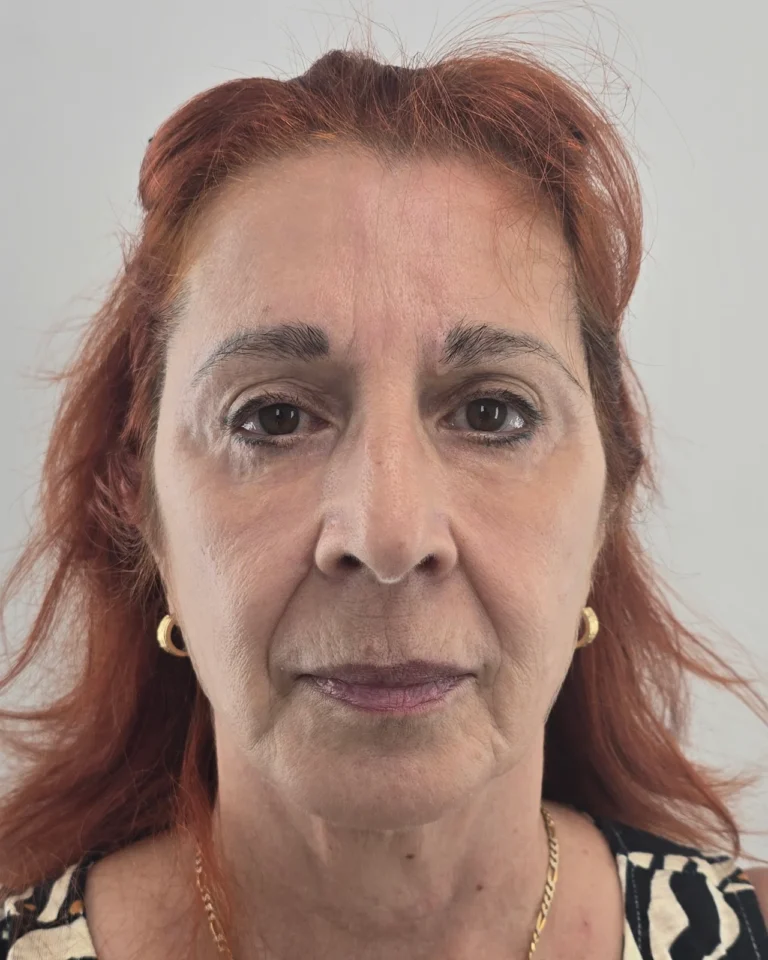
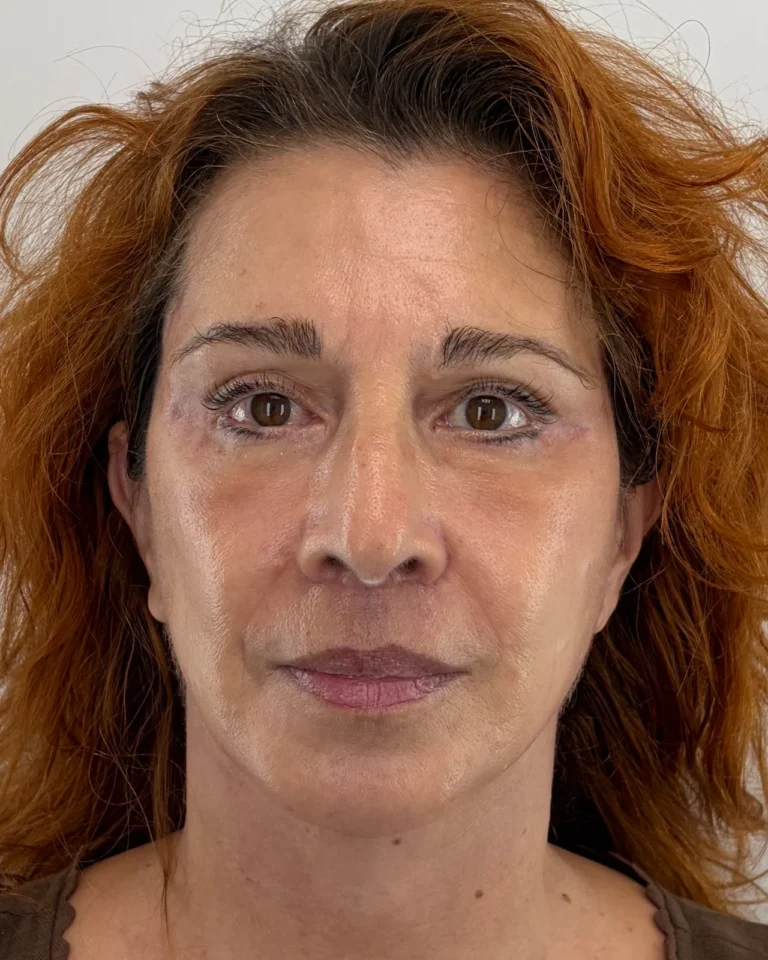




















Body · Lipoedema
Loose skin in lipoedema: liposuction, arm lift or thigh lift in Thessaloniki and Athens, Greece
Most women with lipoedema (lipedema) worry that their skin will hang after liposuction. In most cases it does not. On this page I explain how to tell true skin laxity from the weight of lipoedema fat, when liposuction is enough, when an arm lift or a thigh lift is needed, and what I do when earlier surgery has not worked.

Medically reviewed by Dr Prodromos Papaioannou, Plastic Surgeon, HESPRAS member, ASPS International Member · Last reviewed:
Will my skin sag after liposuction for lipoedema?
Usually not. Well-planned liposuction does not, on its own, make the skin loose. Laxity appears mainly when the tissues were already very loose before surgery, or when fat was removed too close to the skin. Most of my patients with lipoedema do not need any skin tightening afterwards.
Liposuction became linked with loose skin for two reasons. First, in very lax tissue the fat cannot be removed evenly, and the result is uneven. Second, removing fat too superficially destroys the thin layer of fat that supports the skin, and the skin then wrinkles.
To prevent laxity, I follow two rules when I plan and perform liposuction for lipoedema. First, I always leave an even layer of fat under the skin, so that it keeps its natural support. Second, I plan the operation area by area, after assessing the quality of the tissues, the elasticity of the skin and the extent of the lipoedema. If the skin is already very loose, I tell you from the start, and we decide together whether and when tightening will be needed.
Many patients see their arms or thighs hanging and assume the skin has gone loose. Often, though, it is the weight of the fatty tissue that pulls everything down. Once liposuction lightens the area, the shape improves without any incision. This is why a surgeon has to recognise lipoedema, even when laxity is also present.
For the technique and recovery of the liposuction itself, see the page on liposuction for lipoedema.
What kind of loose skin do I have?
I distinguish two kinds of laxity, and they are treated differently. Laxity of the skin itself gives a wrinkled surface and, when it is marked, needs skin removal. Laxity of the underlying tissues, the fat and connective tissue, makes the limb look as if it has dropped, and is treated mainly with correct liposuction.
Skin laxity
The skin loses its elasticity and wrinkles. The causes are ageing, poor collagen quality, major weight loss and destruction of the superficial fat layer by incorrect liposuction. Removing fat does not correct it; when it is marked, an arm lift (brachioplasty) or a thigh lift is needed. In lipoedema I see it more often in older patients, after major weight loss and in stage 3, where a large volume is removed over two or more sessions.
Laxity of the underlying tissues
Here the skin may be in good condition, but the fat and the ligaments beneath it have dropped, usually because of the weight of the diseased fat. It improves mainly with correct liposuction; only severe cases also need tightening. Many patients have both kinds, which is why I assess them separately in each area.
When is liposuction enough, and when do I need skin tightening?

Liposuction is enough when the “loose skin” is mainly the weight of lipoedema fat and the skin still has some elasticity. An arm lift or a thigh lift is needed when the skin itself has become very loose. In every case the lipoedema is treated first, and the need for tightening is judged afterwards.
| What you see | What causes it | Treatment |
|---|---|---|
| Heavy arms or thighs that seem to hang, with skin in good condition | The weight of the lipoedema fat | Liposuction only |
| Borderline laxity, and it is unclear whether it will settle | Weight of the lipoedema and average skin quality | Liposuction first, then reassessment |
| Wrinkled skin hanging on the inner arms or inner thighs | Ageing, poor collagen quality, major weight loss | Liposuction plus an arm lift or thigh lift |
| Very extensive lipoedema, or lipoedema with obesity | Skin elasticity cannot cope with the volume removed | Liposuction and, usually, tightening as a second stage |
| Irregularities or dents after previous liposuction | Fat removed too superficially or not enough | Corrective surgery |
At consultation I examine each area separately: the quality of the tissues, the elasticity and surface of the skin, the extent of the lipoedema and your body weight. I ask whether you have had liposuction or other surgery before and whether your weight is stable. When laxity is borderline, I prefer to start with liposuction and reassess afterwards, because skin removal can often be avoided. I do not recommend skin removal while the lipoedema is untreated, while your weight has not settled, or for a heavy smoker who cannot stop. In lipo-lymphoedema my approach is more conservative and tailored to each patient.
Do I need an arm lift if I have lipoedema in my arms?
Less often than most patients think. With lipoedema of the arms, my first step is always to treat the lipoedema with liposuction. I perform an arm lift (brachioplasty) only when the skin itself has become truly loose, and never without liposuction of the same area.
Why do so many arm lifts fail in women with lipoedema?
Because the underlying condition often goes unrecognised. Lipoedema can affect the upper arms and extend below the elbows or towards the armpits. The excess fat makes the arms heavy and look loose, so the patient is sent for an arm lift. Skin is removed, but the diseased fat stays. The result is an operation that could have been avoided, arms that remain out of proportion, and often recurrence or deformity. In most patients, correct liposuction lightens the tissues enough for the laxity to be treated without an incision.
When is an arm lift needed?
When the skin laxity is extensive, because of ageing or poor collagen quality, or when the lipoedema is very extensive or combined with marked obesity, so that the elasticity of the tissues is not enough. I perform the arm lift through a lengthwise incision on the inner side of the arm, from the armpit towards the elbow. The scar may be straight or zigzag, and may reach or pass the armpit or the elbow, depending on how far the laxity extends. A mini arm lift, with a short incision in the armpit only, rarely suits lipoedema.
I can perform the arm lift at the same time as the liposuction or later. I prefer two stages when the laxity is borderline, because we can often avoid cutting away skin, or when the lipoedema is very extensive and a large amount of fat will be removed. The operation is done under general anaesthesia as a day case and takes about 2 hours. The initial recovery takes about 10 days; you wear a compression garment with bolero-style sleeves for 4 to 6 weeks, and the scars need 3 to 6 months to become less noticeable.
When is a thigh lift needed with lipoedema?
A thigh lift corrects loose skin on the inner thigh or around the whole thigh. It was designed mainly for patients after major weight loss. In lipoedema I recommend it only in selected cases, always after the lipoedema has been treated properly, and usually as a second operation after liposuction.
Mini or full thigh lift?
In a mini thigh lift I make a horizontal incision at the top of the thigh, from the crease under the buttock to the groin. It mainly improves the inner thigh down to about its midpoint, and the scar hides fairly well. In a full thigh lift I add a lengthwise incision on the inner side, from the top of the thigh to the knee, to correct laxity along the whole length; this also removes the excess skin on the inner knee.
Why is the thigh lift done as a second operation?
For three reasons. First, liposuction lightens the thigh; in lipoedema the inner thigh is often swollen and heavy, and this lightening is often enough for a thigh lift not to be needed at all. Second, a lighter thigh heals better: the scar does not have to carry a heavy weight, so it stays in place and does not widen. Third, extensive liposuction for lipoedema causes a lot of fluid to leak into the tissues. Combined with a thigh lift, in which the tissues are lifted off their base, it significantly raises the risk of seroma, haematoma and infection, and recovery becomes much harder and longer. For this reason I do not combine liposuction for lipoedema with a thigh lift of this size. The thigh lift is done once all liposuction sessions are complete and the result has settled, usually at least 6 months after the last one.
Recovery and scars
- Anaesthesia: general
- Hospital stay: day case
- Operating time: 2 to 2.5 hours
- Compression garment: 4 to 6 weeks
- Difficulty walking: 10 to 15 days
- Scar treatment: from month 3 to 4
For the first days, avoid stretching the scars and opening your legs wide. After a mini thigh lift the scar is hidden at the top of the thigh; after a full thigh lift, the lengthwise scar on the inner thigh is more visible. We start improving it with laser or other treatments after 3 to 4 months. You can usually return to office work after about 2 weeks. Light walking is fine from the start; gym and sport usually after about 6 weeks.
How long do I need to stay in Greece after an arm lift or thigh lift?
Both an arm lift and a thigh lift are done as a day case, so you do not stay overnight in hospital. How long you then stay in Greece depends on your wound check, when the stitches come out and when it is safe for you to fly: plan 10 to 15 days in Greece after either operation.
External stitches are removed at 5 to 7 days, at the practice, before you fly. After an arm lift, the initial recovery takes about 10 days. After a thigh lift, walking is difficult for 10 to 15 days, so plan the journey home with this in mind and avoid stretching the scars or opening your legs wide in the first days.
Once you are home, you keep wearing the compression garment for 4 to 6 weeks in total. Follow-up continues by video call at 10 days, 1 month, 6 months and 1 year. Before you travel, arrange help for the first days; nursing care at home for wound care can be arranged if you would like it.
If you also need liposuction for lipoedema, plan for more than one trip. An arm lift can sometimes be done at the same time as liposuction of the arms, but a thigh lift is a separate operation, done usually at least 6 months after your last liposuction session.
Can surgery that did not work be corrected?
Yes, in most cases. I often see women with lipoedema who have already had liposuction, an arm lift or a thigh lift and have functional or cosmetic problems. In most of them the lipoedema had not been diagnosed, so the symptom was treated rather than the condition. I correct most of these cases with further liposuction.
After skin tightening, the most common case is an arm lift performed on lipoedema arms. The arms stay out of proportion with the rest of the body, the scars are wide, and healing was often difficult. In other patients tissue was removed from the upper arm, but on either side, towards the elbow and the armpit, an hourglass shape forms. In others only the inner side was treated, while marked lipoedema remains on the outer side. The same happens after a thigh lift, when lipoedema was treated as obesity or as simple laxity.
Overall, the most common problem follows previous liposuction: the lipoedema was not diagnosed, too little fat was removed, or the skin was left with irregularities and dents.
Depending on the problem, I perform further liposuction to correct the imbalance, fat transfer to fill the dents, a repeat arm lift or thigh lift, or scar revision. At consultation I ask for the records of the previous operation, where available, and I examine the remaining lipoedema, the scars and the skin quality separately before I suggest any correction. The best correction, though, is prevention: before any operation on the arms or legs, liposuction or skin tightening, lipoedema should be ruled out. For the symptoms and the self-assessment questionnaire, see the lipoedema page.
Frequently asked questions
How long after liposuction for lipoedema can I have a thigh lift?
Once all liposuction sessions are complete and the result has settled, usually at least 6 months after the last session. During this time the swelling goes down, the tissues become lighter and the skin tightens as much as it can on its own. Several patients then find that they no longer need a thigh lift. Those who still need one have a smaller operation on lighter tissues, with a lower risk to healing and more stable scars. Your weight should also be stable before the thigh lift.
Can liposuction and an arm lift be done at the same time?
Yes, for the arms they can be done in the same operation, and skin removal is always combined with liposuction of the same area. I prefer two stages in two situations, though: when the laxity is borderline, because after liposuction an arm lift is often not needed, and when the lipoedema is very extensive and a large amount of fat will be removed. For the thighs, the lift is almost always a second operation, because combining it with extensive liposuction raises the risk of seroma and makes recovery harder.
How visible are the scars after an arm lift or thigh lift?
The scars are permanent; they improve with time but do not disappear. After a mini thigh lift the scar hides fairly well at the top of the thigh. After a full thigh lift or an arm lift, the lengthwise scar lies on the inner side of the limb and is more visible. Scars need 3 to 6 months to become less noticeable, and from month 3 to 4 we can start treatments to improve them, such as laser. Removing skin from tissues that have already been lightened by liposuction helps the scars stay in place and not widen.
Will my skin become loose again after an arm lift or thigh lift?
The skin that is removed does not come back, so the result lasts as long as your weight stays stable. Ageing, however, keeps affecting the skin, and a large new weight gain or a pregnancy can make it loose again. Because lipoedema is a chronic condition, the result also depends on compression, staying active and keeping a stable weight. After the post-operative garment, lipoedema compression continues as needed, at the lowest class that controls your symptoms.
What are the most common risks of an arm lift or thigh lift?
Skin-removal operations have more healing problems than liposuction. The most common are seroma, a collection of fluid, mainly in the thighs; delayed healing or opening of the wound at the top of the thigh and in the armpit; and wide or displaced scars. Infection, haematoma and thrombosis are rare. I reduce the risk by operating as a second stage, on lighter tissues, with limited undermining and a technique that protects the lymphatic vessels. You need to stop smoking at least 4 weeks before and 4 weeks after surgery; I do not remove skin in a heavy smoker who does not stop. Blood thinners are stopped only in agreement with the doctor who prescribes them.
Will my health insurance cover skin removal after lipoedema treatment?
It depends on your insurer and your policy. Skin removal is often classed as cosmetic surgery, even after treatment for lipoedema, while some policies cover it when a functional problem is documented. The practice provides a medical letter for your insurer. At consultation I give you a written treatment plan, so you can submit it to your insurance company before surgery.
When can I fly home after an arm lift or thigh lift?
Both operations are done as a day case, so there is no overnight hospital stay, but you should not fly straight away. I usually advise flying from day 10, with flights of 3 hours at most in the first weeks. Walking is difficult for 10 to 15 days after a thigh lift, and the first days after an arm lift are part of an initial recovery of about 10 days, so plan a comfortable journey. You wear the compression garment on the flight and for 4 to 6 weeks in total. Walk in the aisle and keep your legs moving; depending on your risk, I may also prescribe blood-thinning protection.
Can my follow-up be done at home?
Yes, mostly. Before you leave Greece I check your wounds and remove any external stitches. After that, follow-up continues by video call at 10 days, 1 month, 6 months and 1 year. Scar treatment with laser or other methods starts from month 3 to 4 and can be planned with a local doctor or at a visit to Greece.
References
- Faerber G, Cornely M, Daubert C, et al. S2k guideline lipedema. J Dtsch Dermatol Ges. 2024;22(9):1303–1315.
- Schmeller W, Hueppe M, Meier-Vollrath I. Tumescent liposuction in lipoedema yields good long-term results. Br J Dermatol. 2012;166(1):161–168.
- Baumgartner A, Hueppe M, Schmeller W. Long-term benefit of liposuction in patients with lipoedema: a follow-up study after an average of 4 and 8 years. Br J Dermatol. 2016;174(5):1061–1067.
- Knoetgen J 3rd, Moran SL. Long-term outcomes and complications associated with brachioplasty: a retrospective review and cadaveric study. Plast Reconstr Surg. 2006;117(7):2219–2223.
- Lockwood TE. Fascial anchoring technique in medial thigh lifts. Plast Reconstr Surg. 1988;82(2):299–304.
- Di Pietro V, Colicchia GM, Cervelli V, Gentile P. Medial thigh contouring in massive weight loss: a liposuction-assisted medial thigh lift. World J Plast Surg. 2019;8(2):171–180.
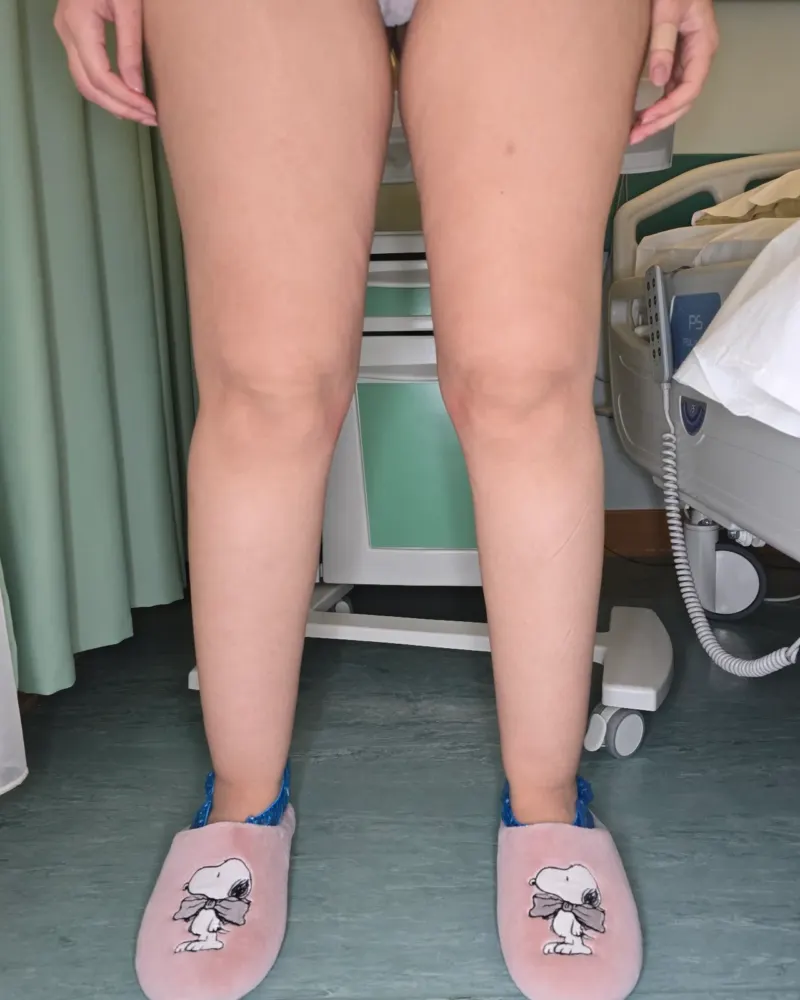 Before
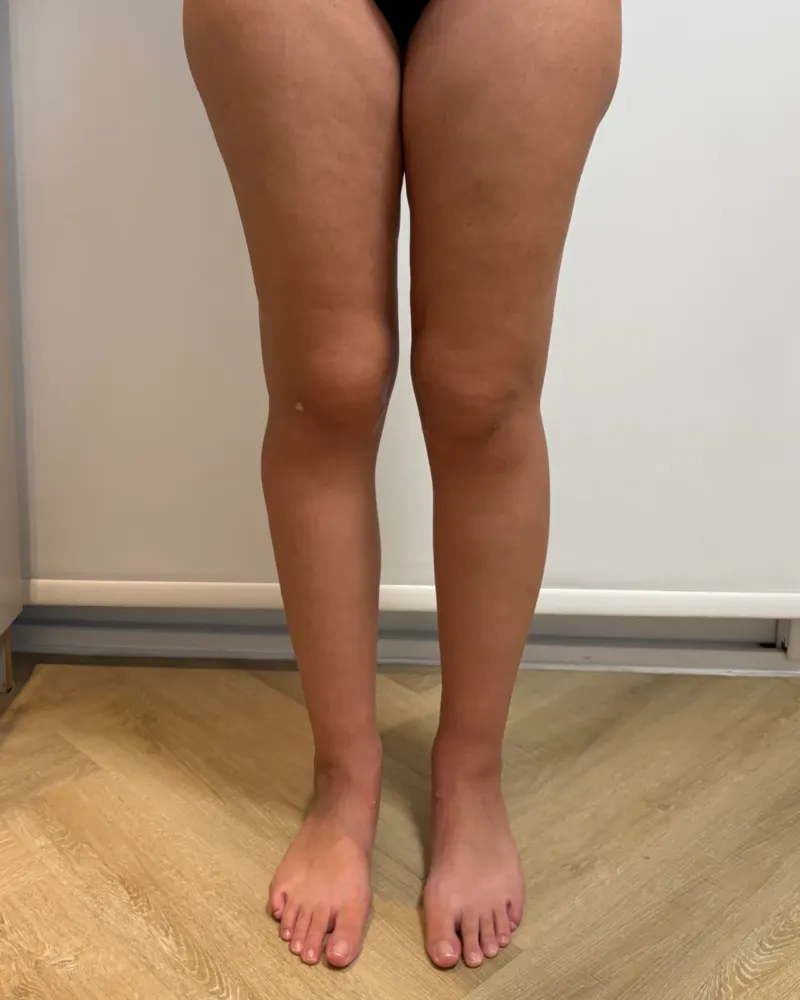 After
After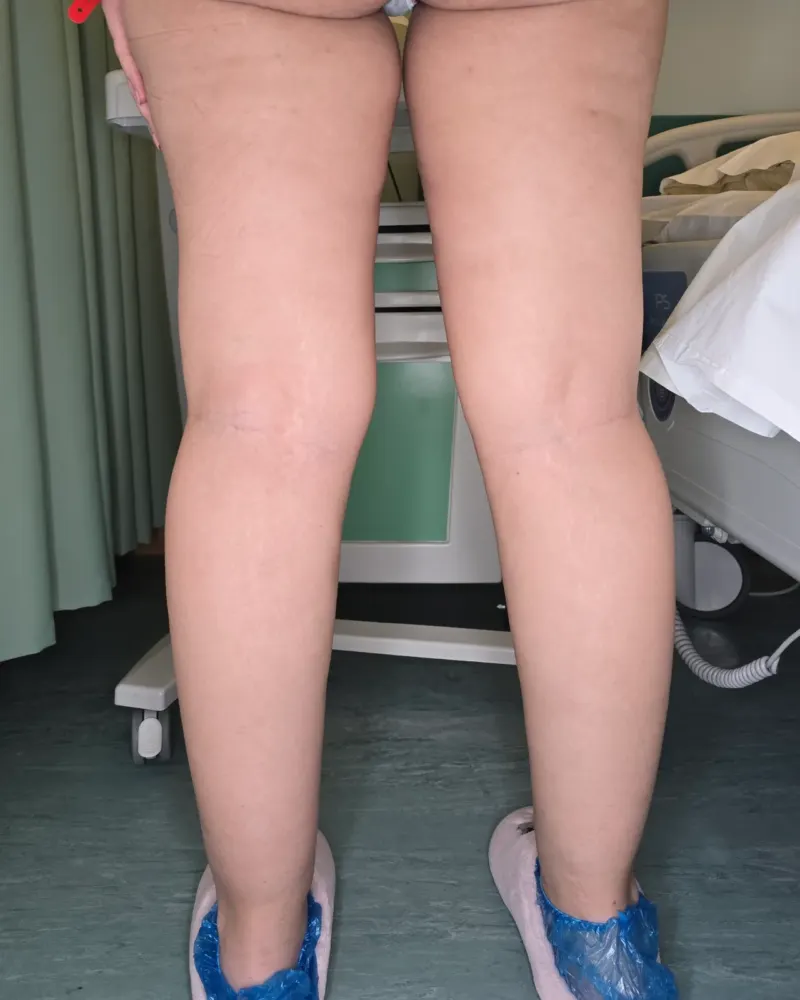 Before
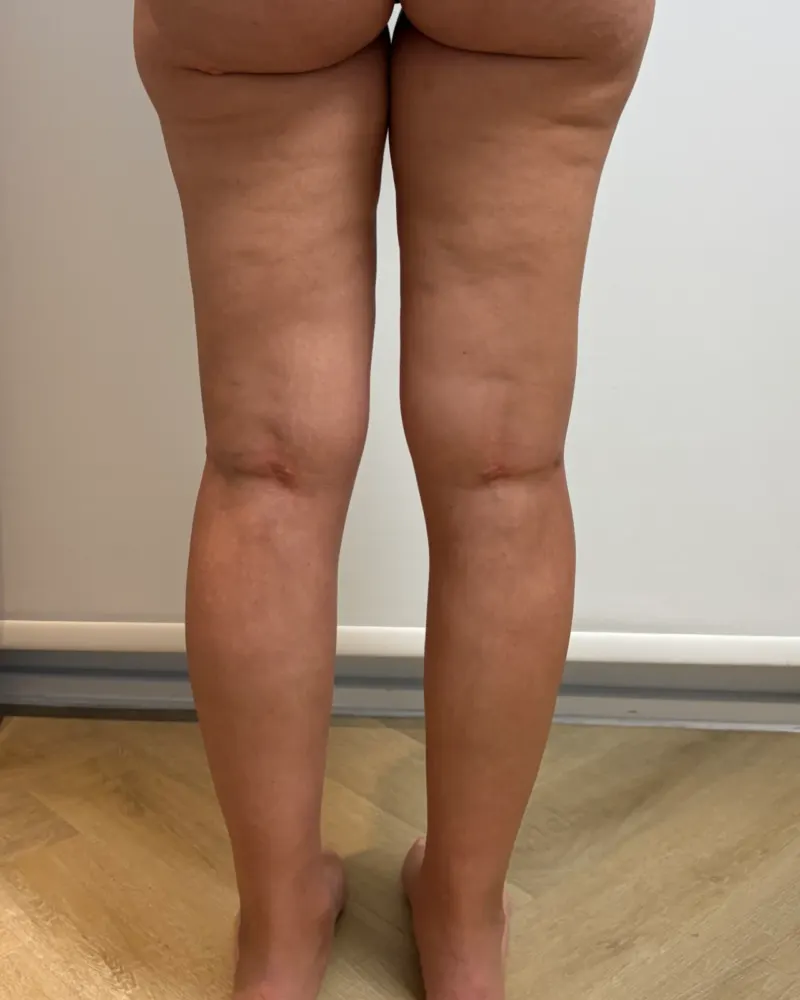 After
After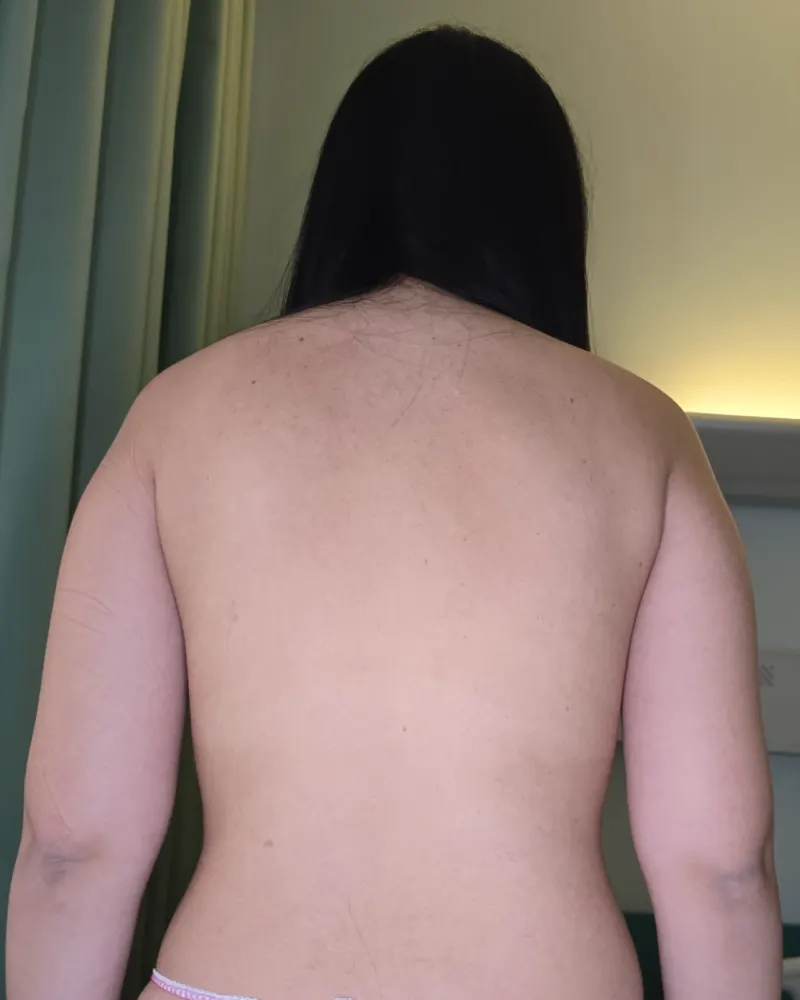 Before
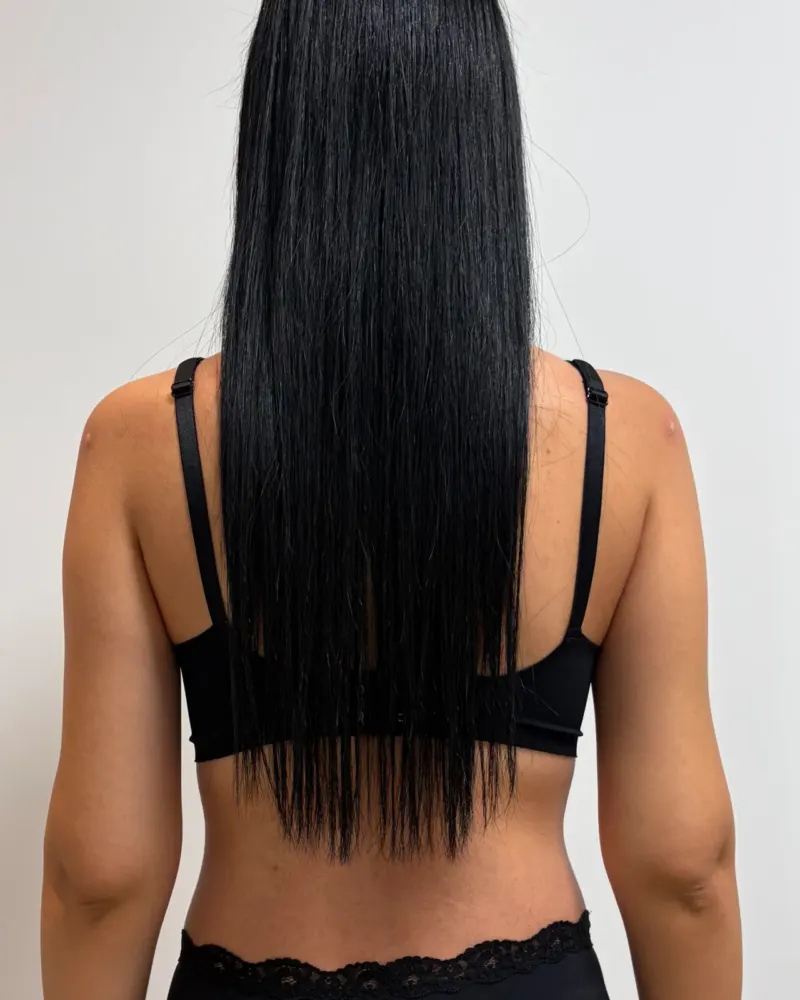 After
AfterThese photos include nudity.
Liposuction for lipedema
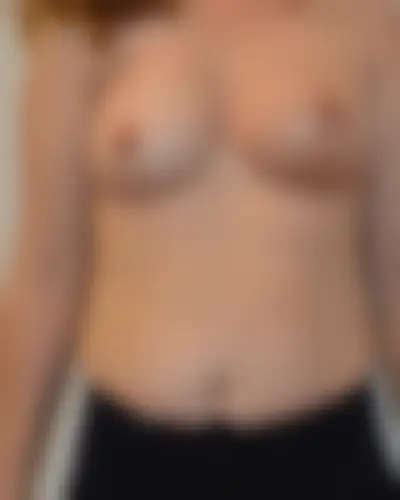
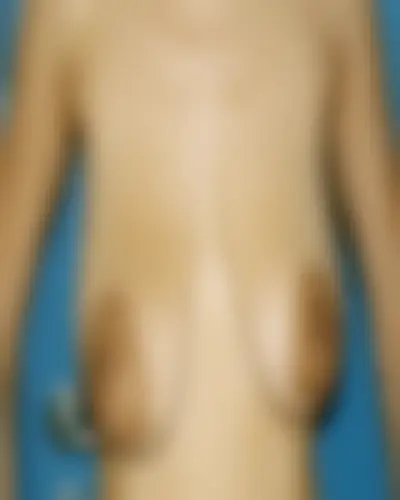
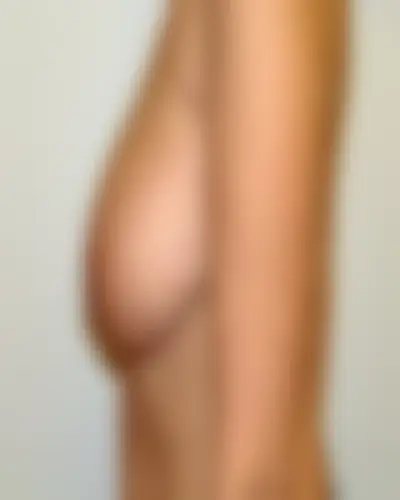
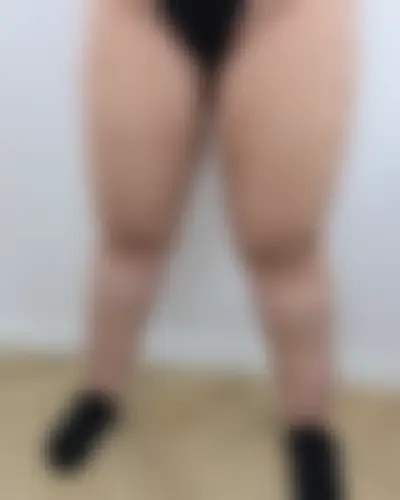
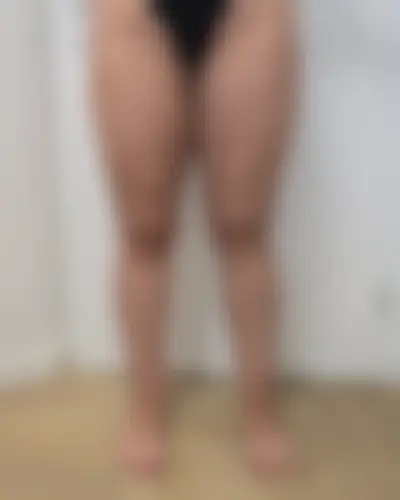
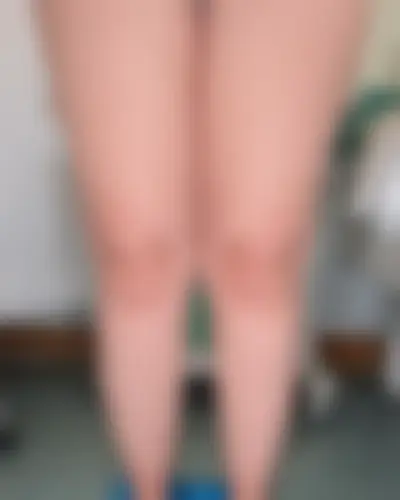
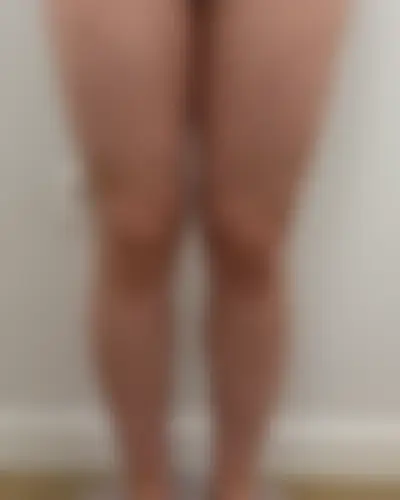
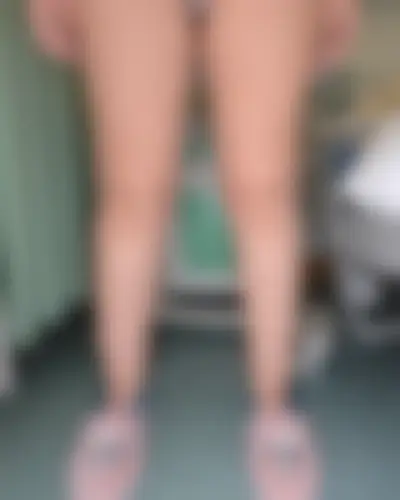
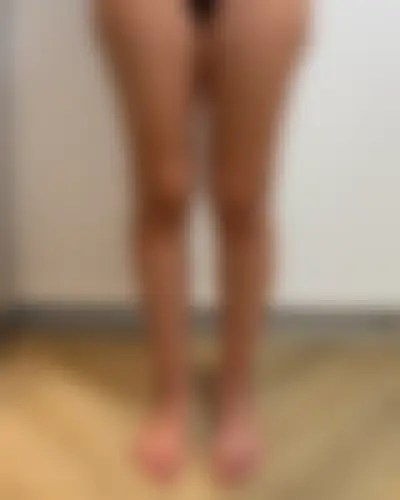
Woman, 25–30 · Liposuction for lipedema · 11 months after · Surgeon: Dr Prodromos Papaioannou
Front
Results vary from patient to patient.
Consultation
In Thessaloniki, in Athens or by video. Examination, options and a written plan.