
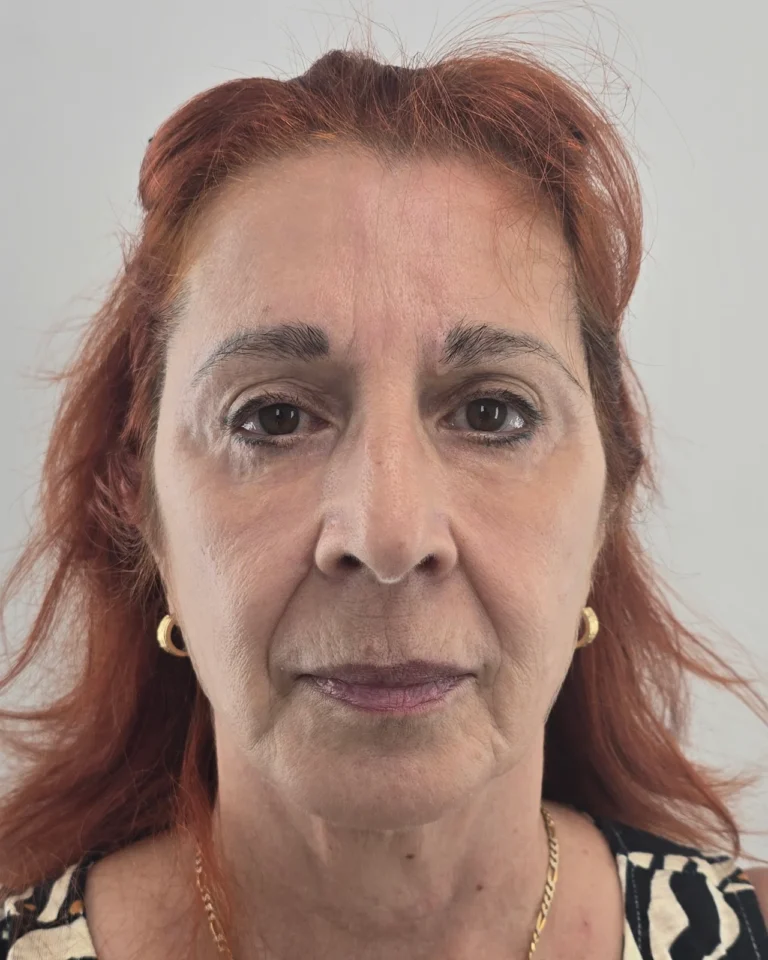
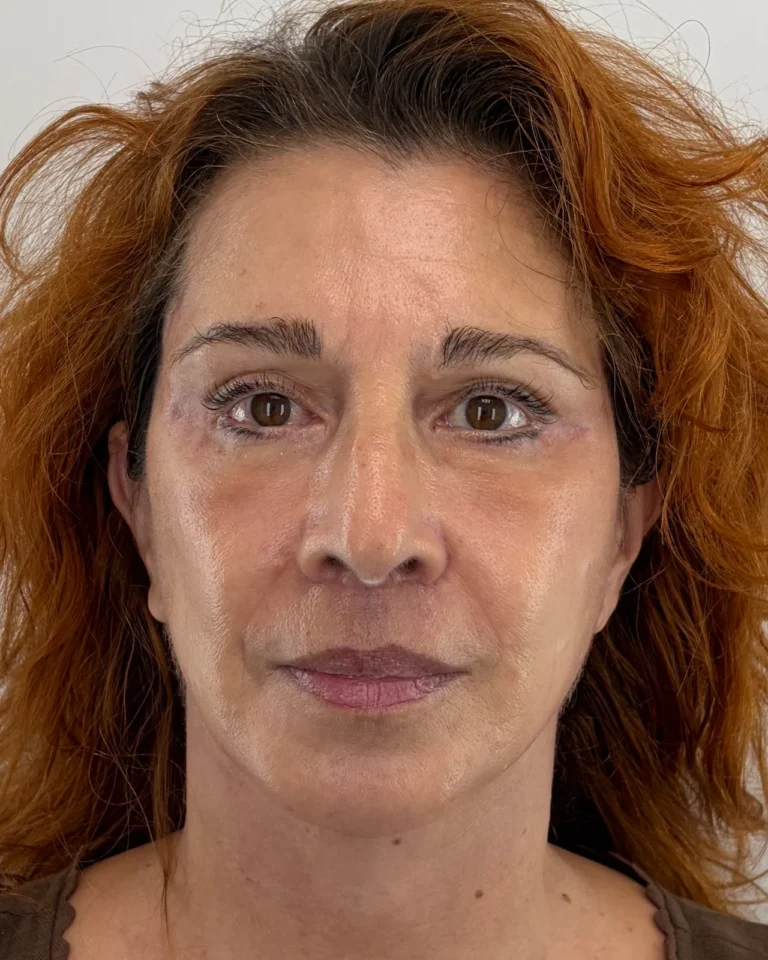
Face · Aesthetics
Facial aesthetic surgery in Thessaloniki and Athens, Greece: proportions, nose, lips and contour
This guide is for people who want to change the shape or proportion of a facial feature, not correct ageing. I explain which operation changes the nose, upper lip, chin, cheekbones, cheeks and ears, which can be combined, and what happens after years of injectables. I operate at Interbalkan Medical Center in Thessaloniki and Athens Medical Center in Marousi.

Medically reviewed by Dr Prodromos Papaioannou, Plastic Surgeon, HESPRAS member, ASPS International Member · Last reviewed:
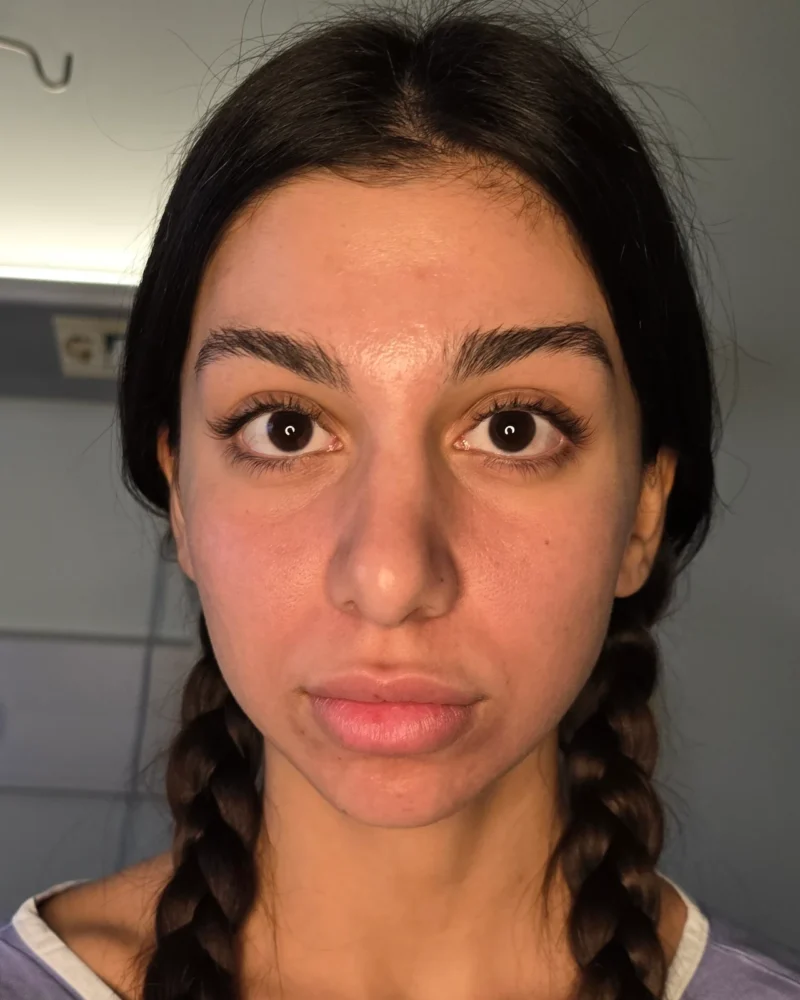 Before
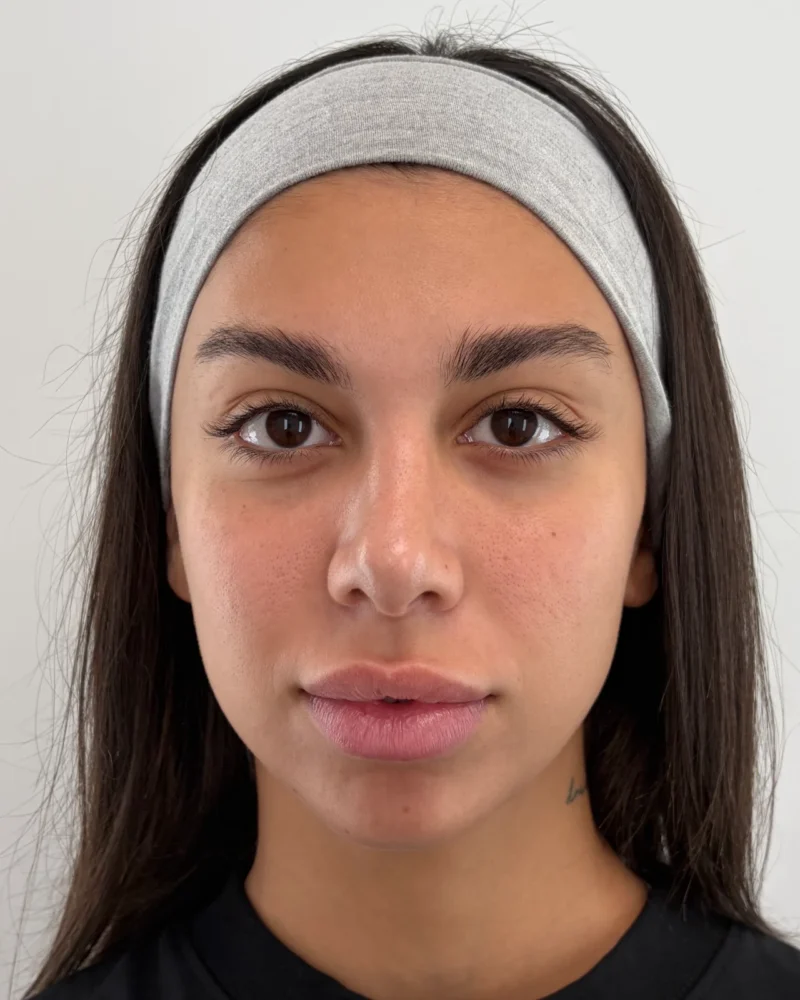 After
After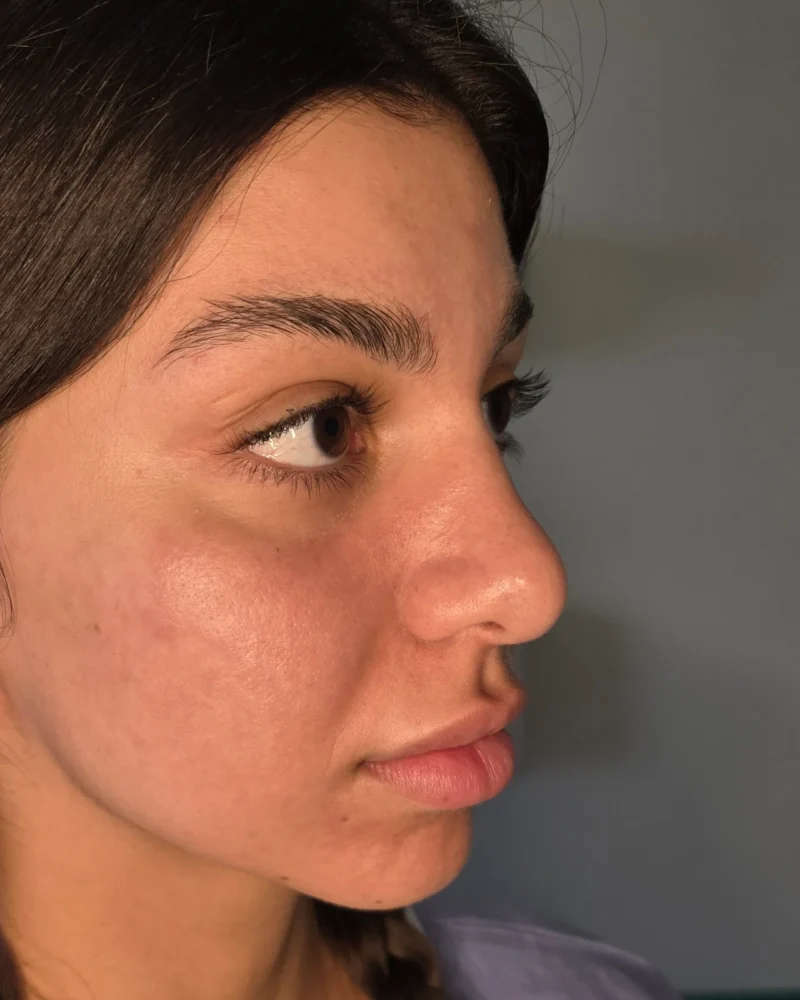 Before
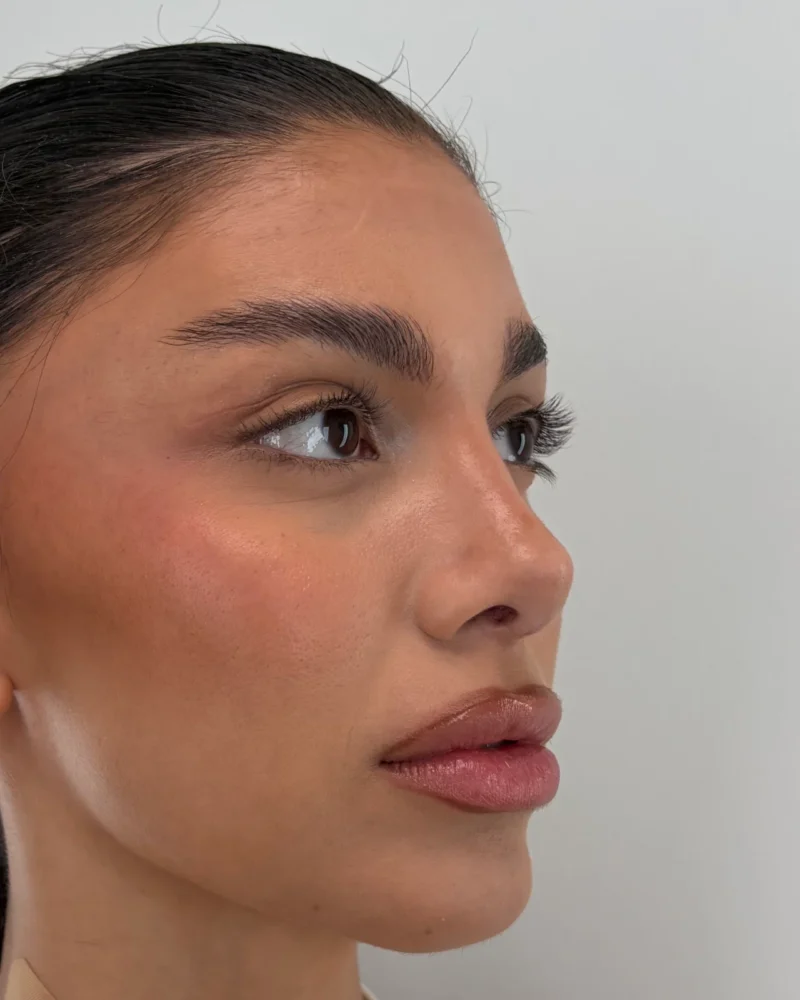 After
After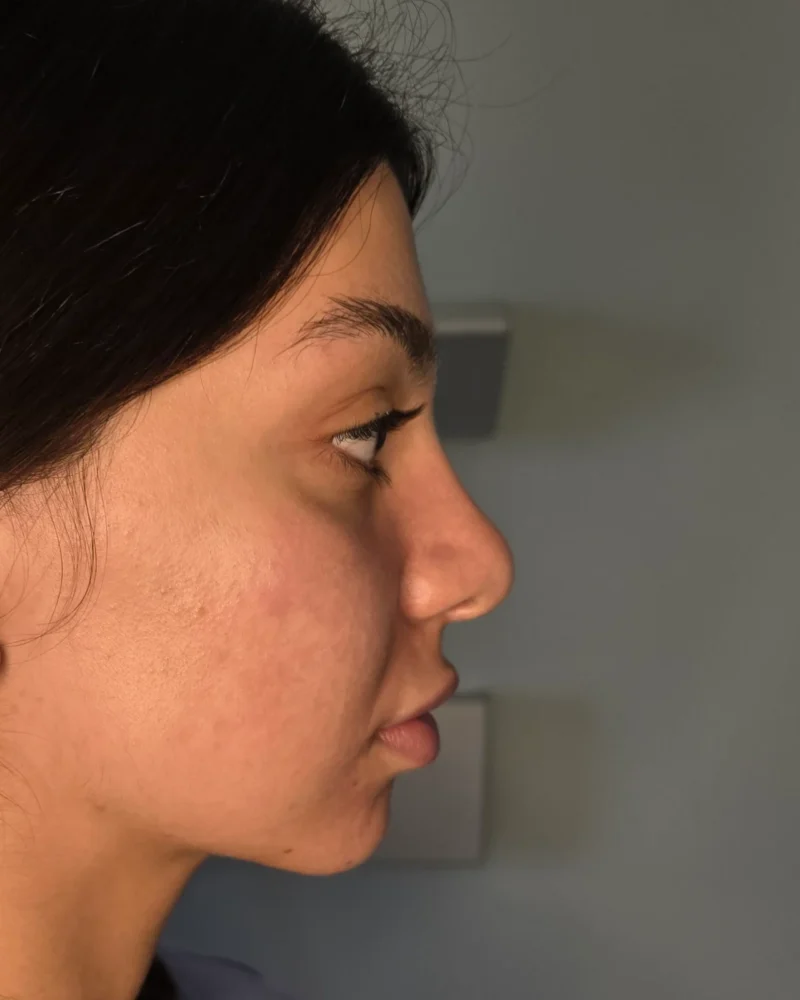 Before
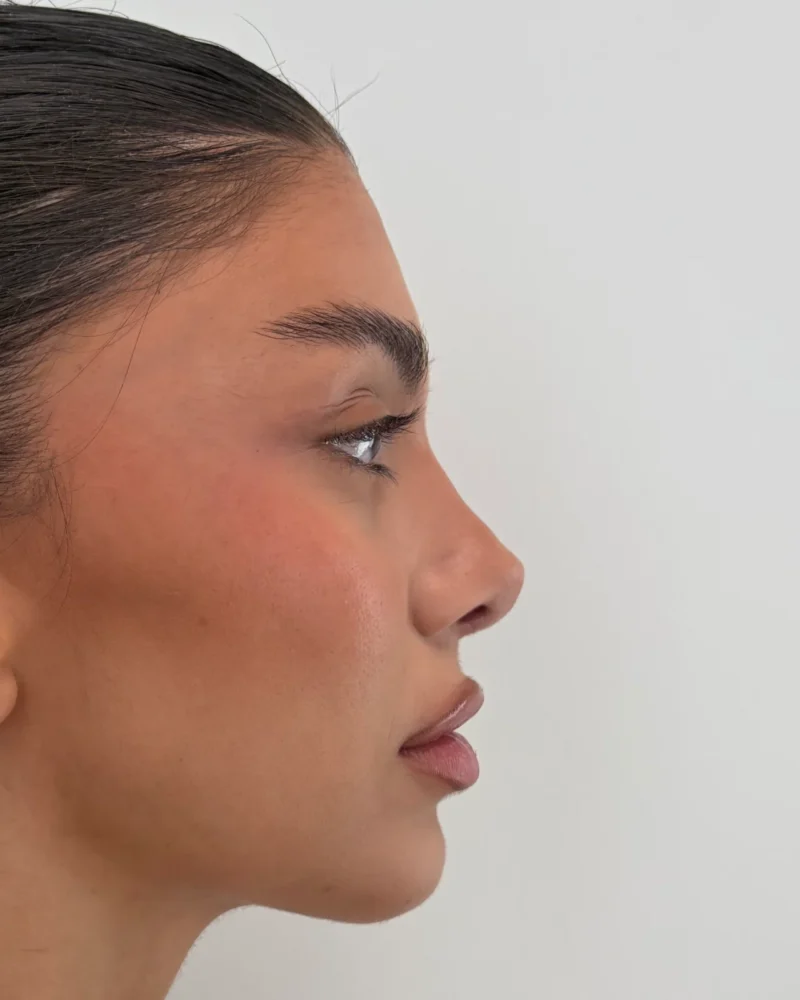 After
After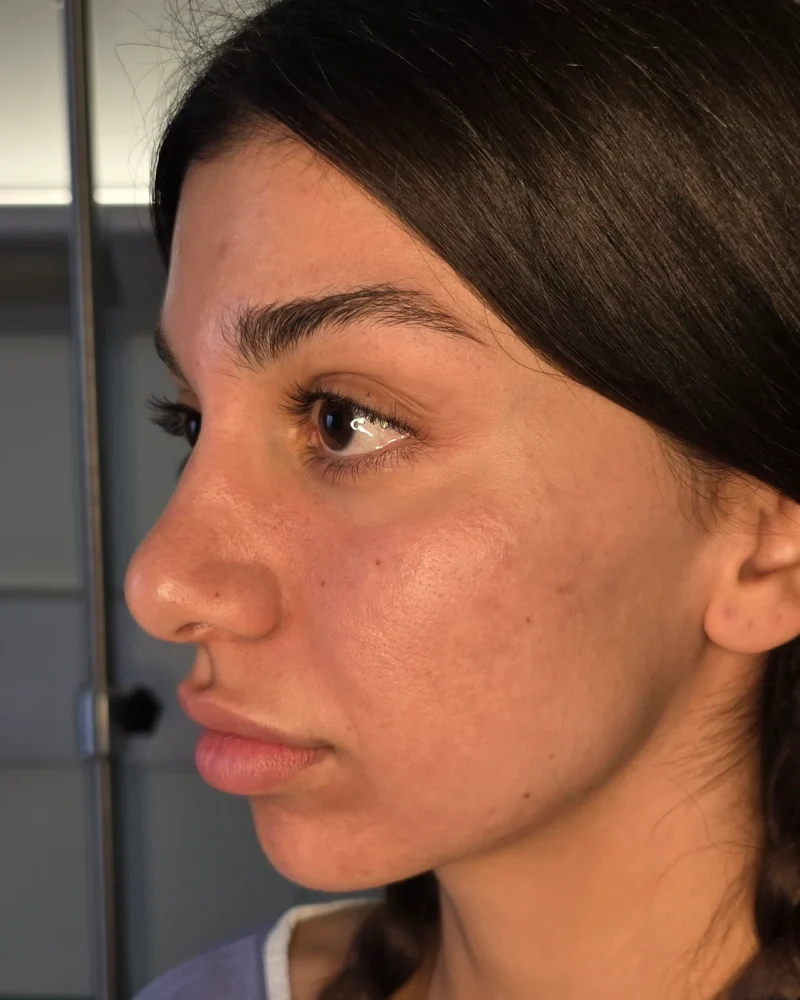 Before
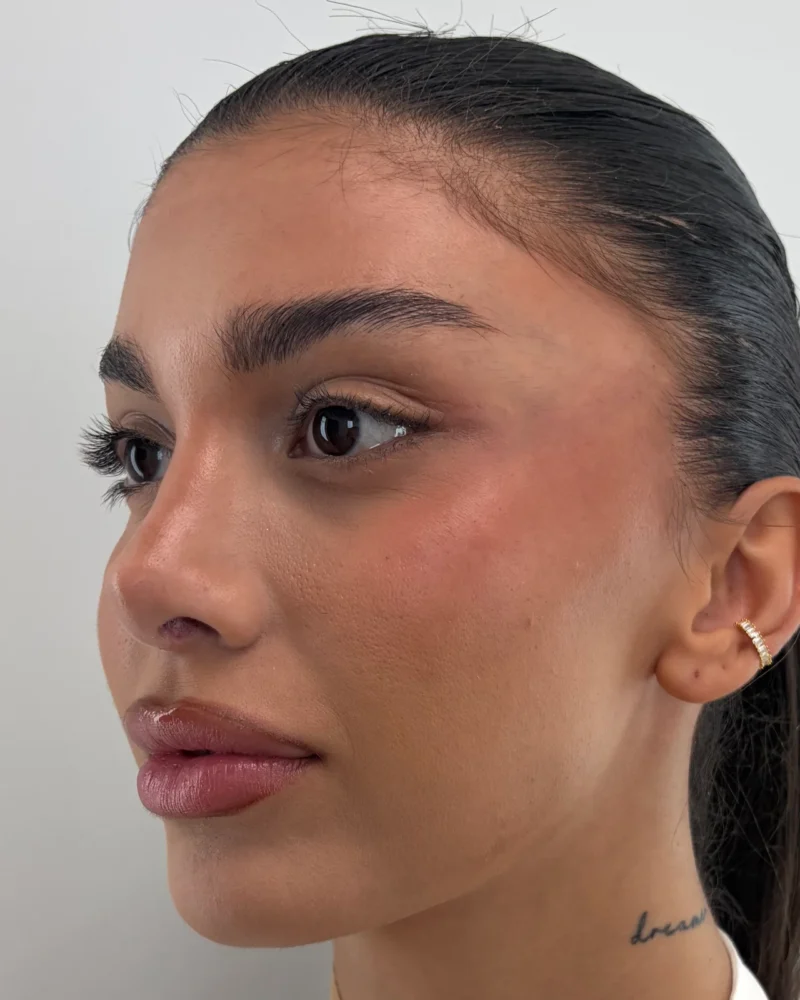 After
After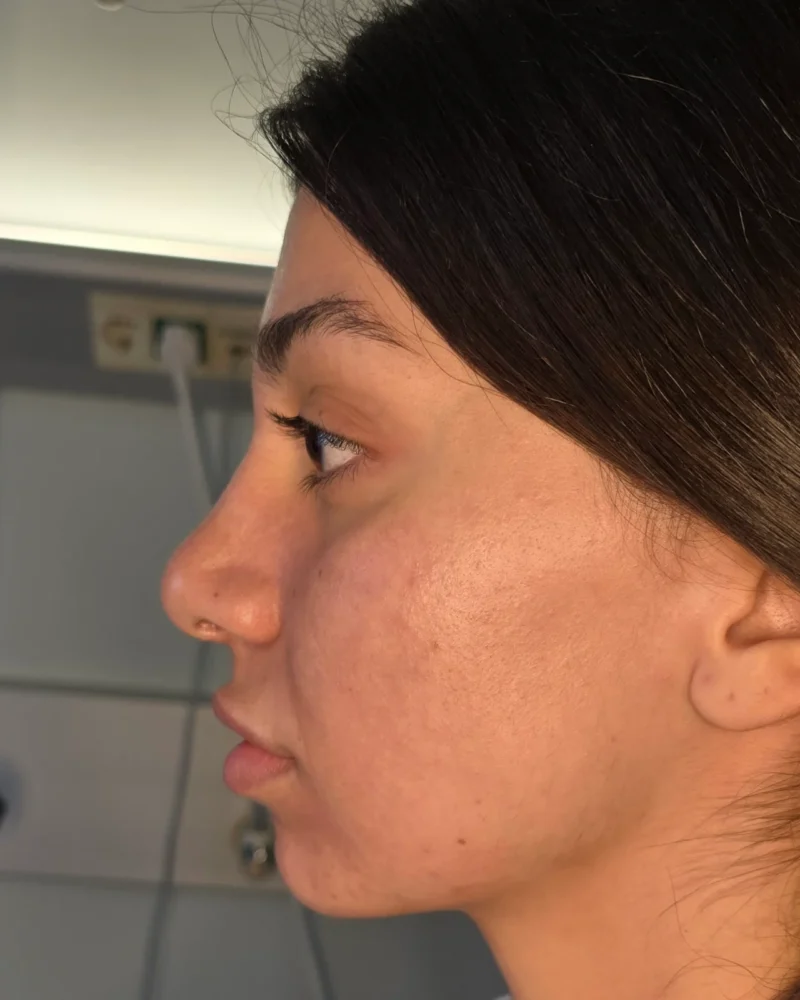 Before
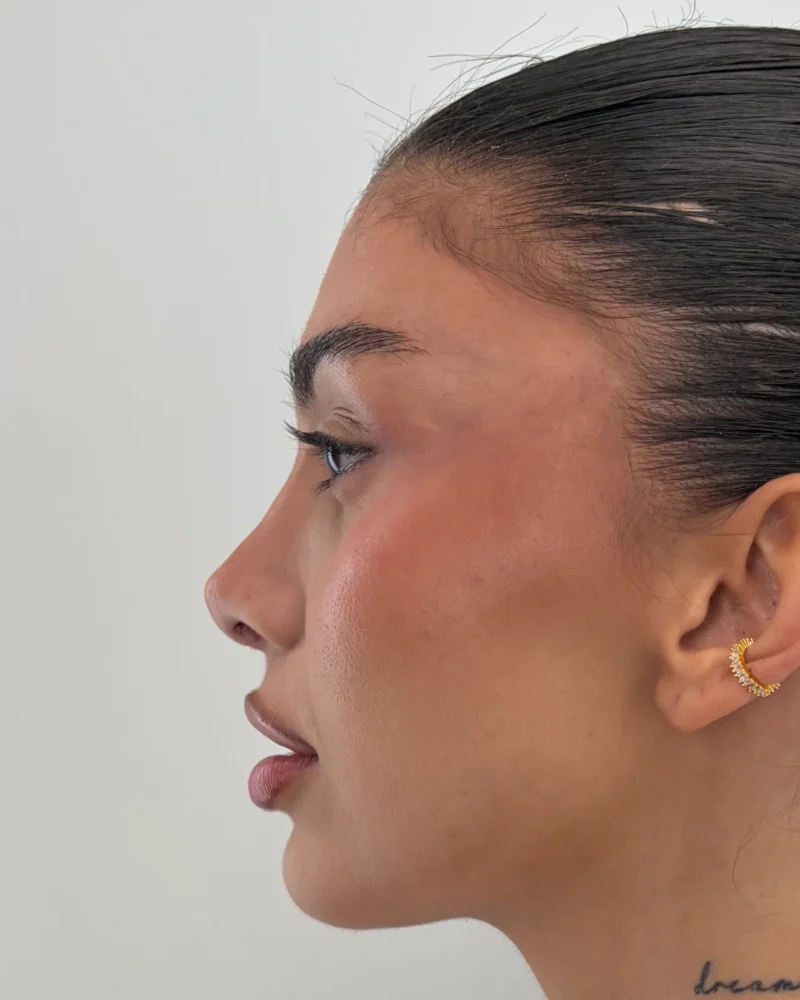 After
AfterFront
Rhinoplasty
Woman, 18–25 · Rhinoplasty · 2 years after · Surgeon: Dr Prodromos Papaioannou
Contact usSee this case →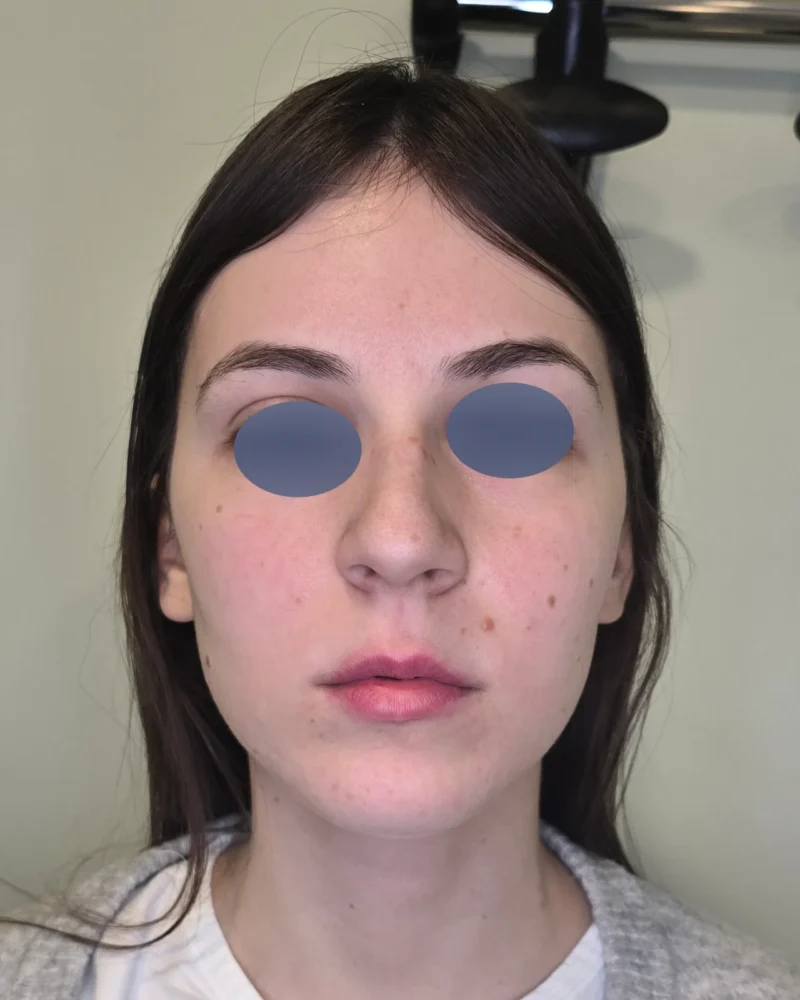 Before
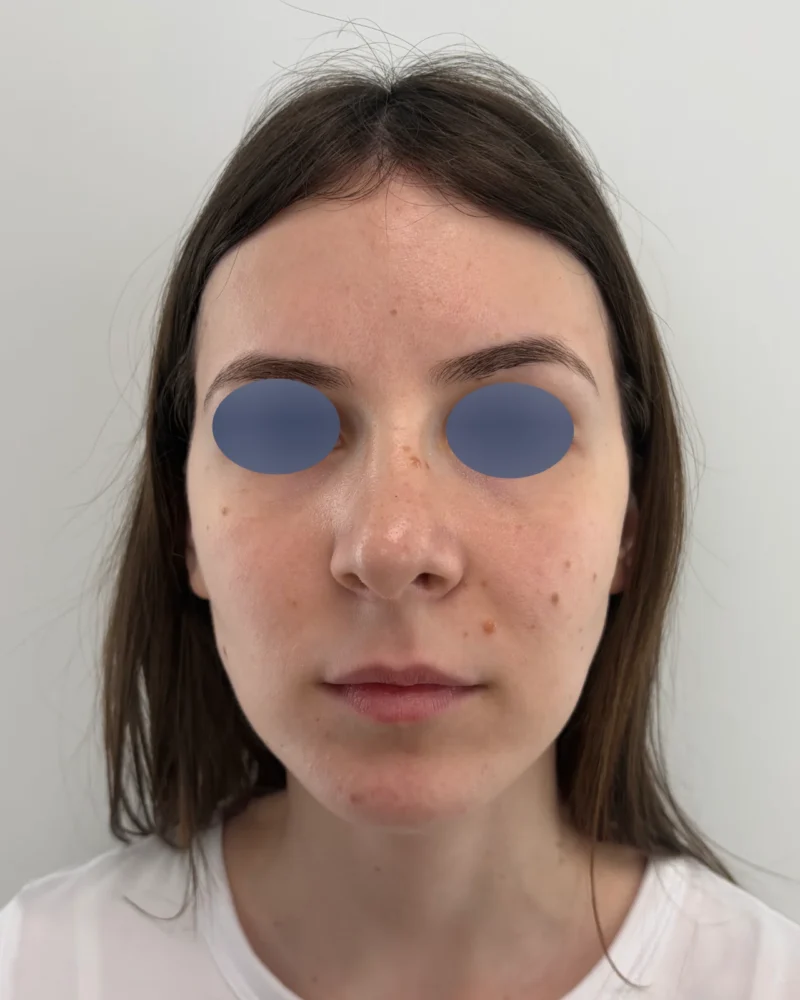 After
After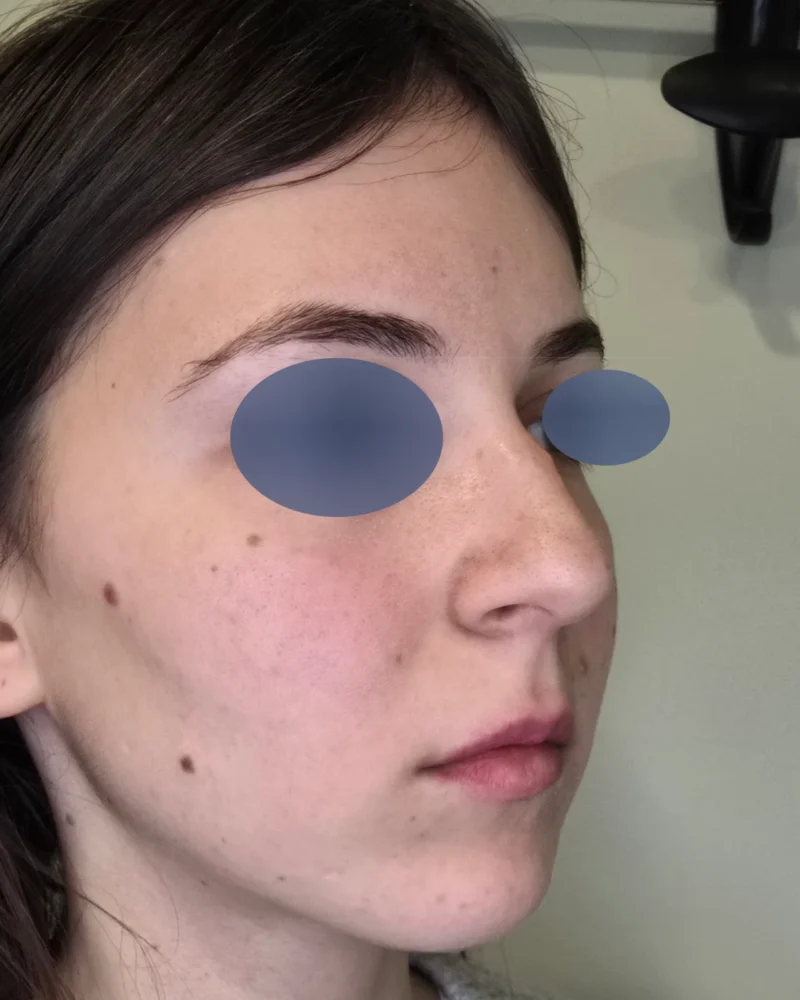 Before
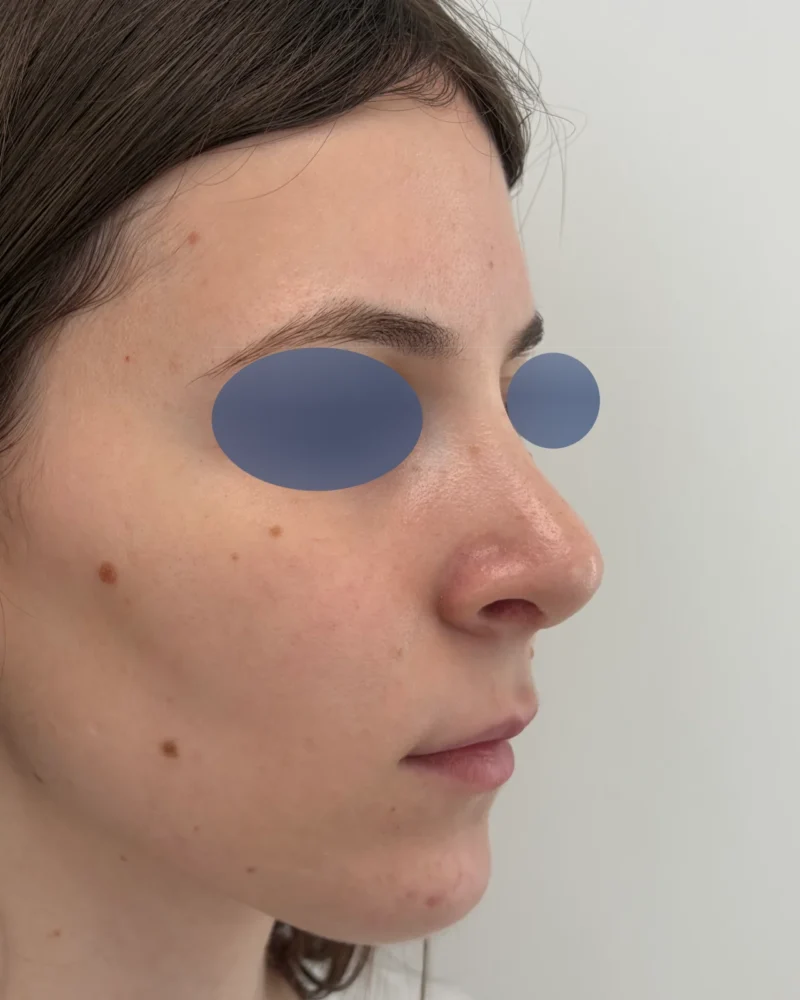 After
After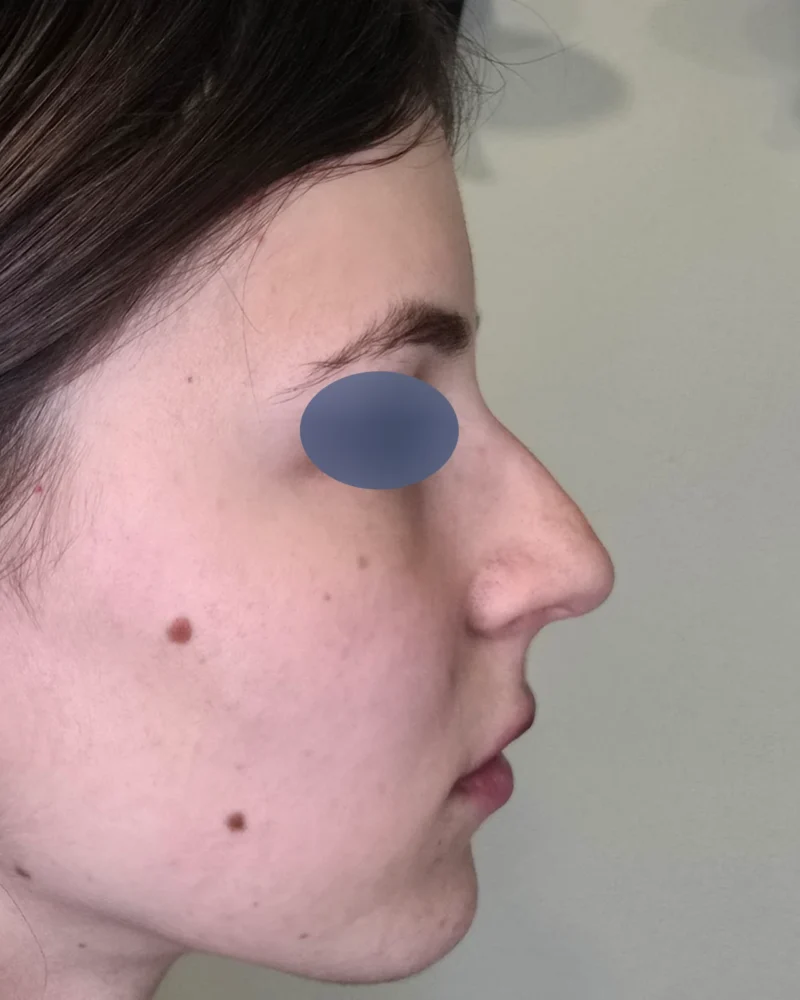 Before
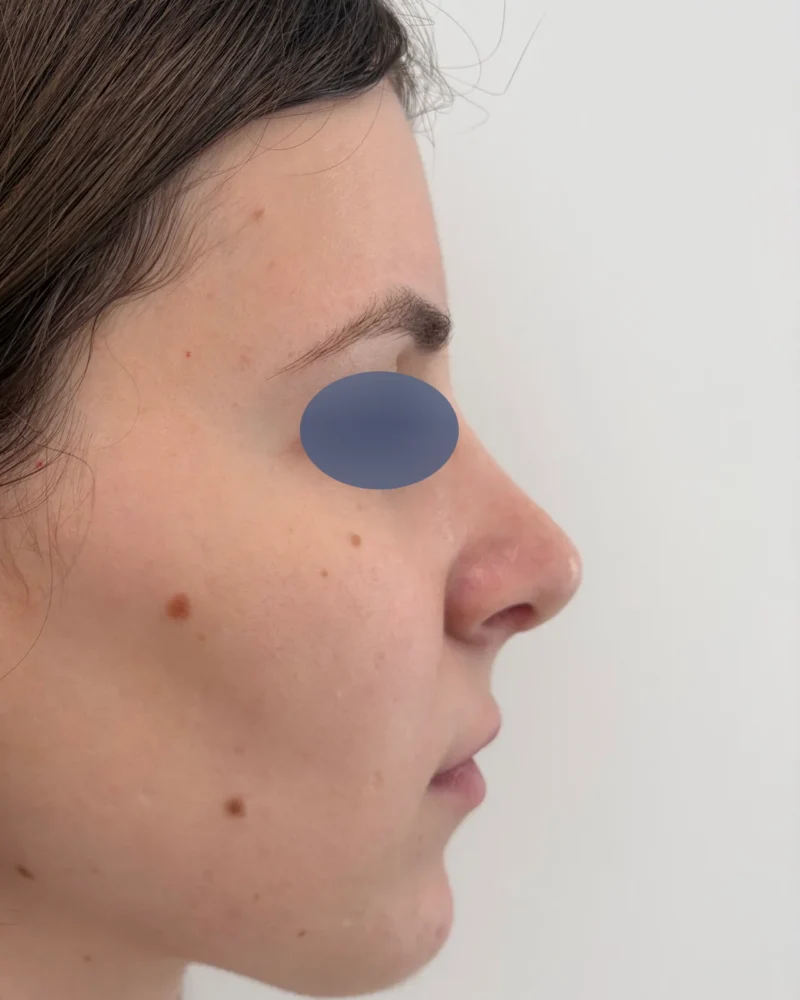 After
After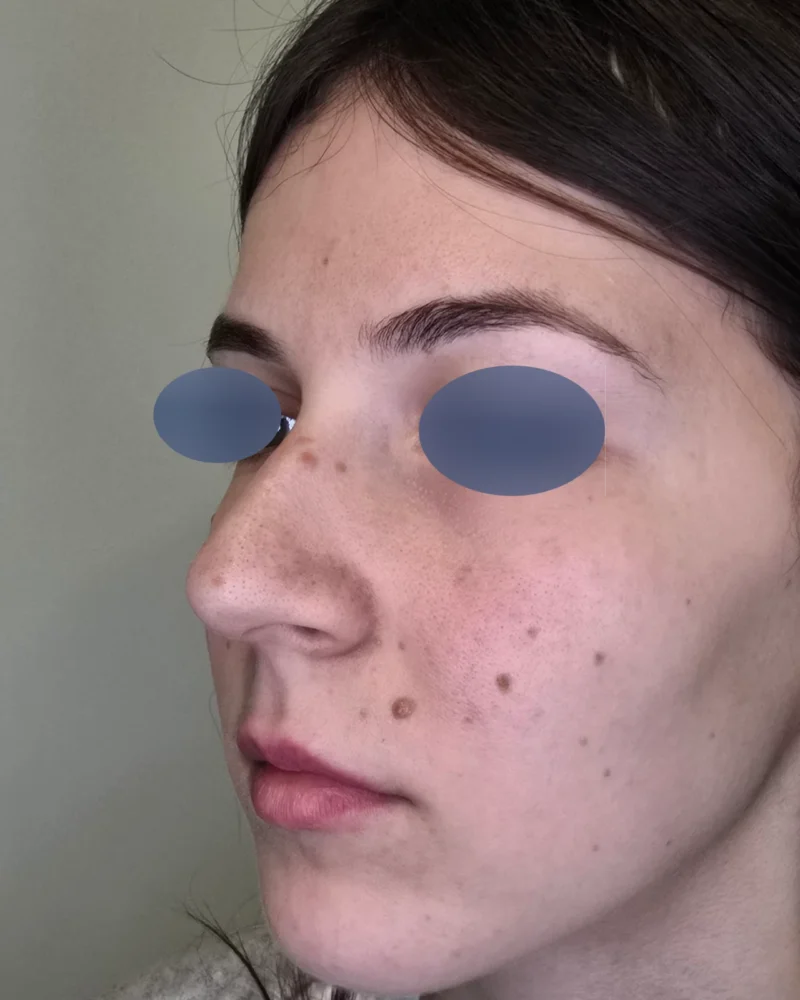 Before
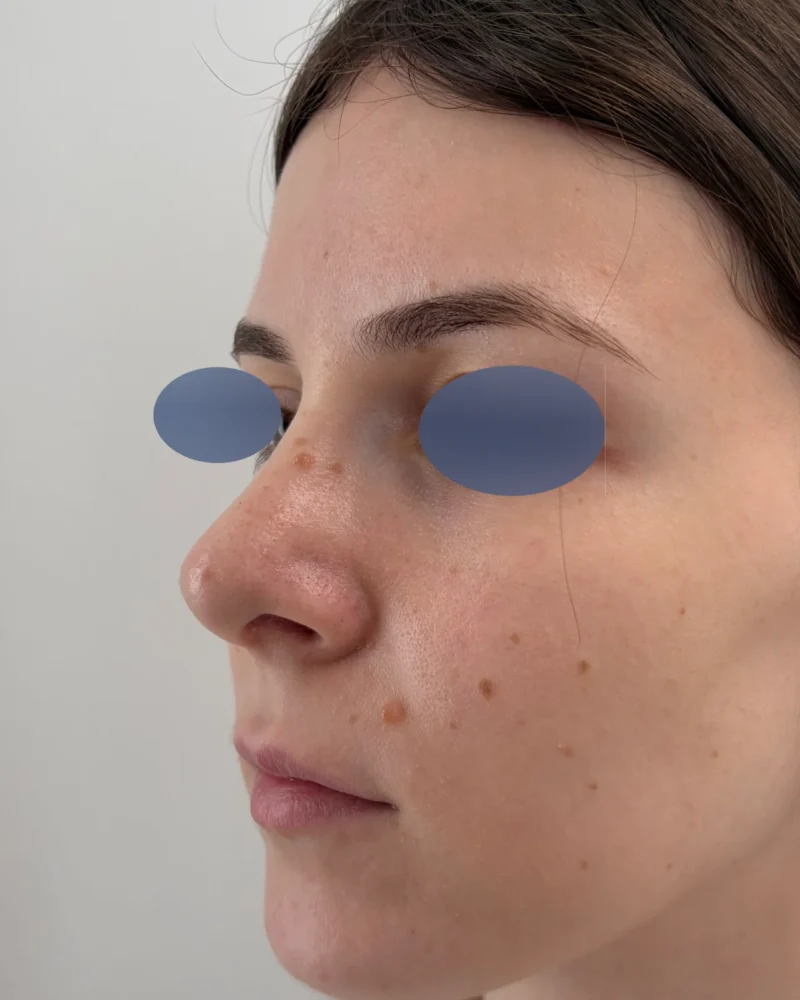 After
After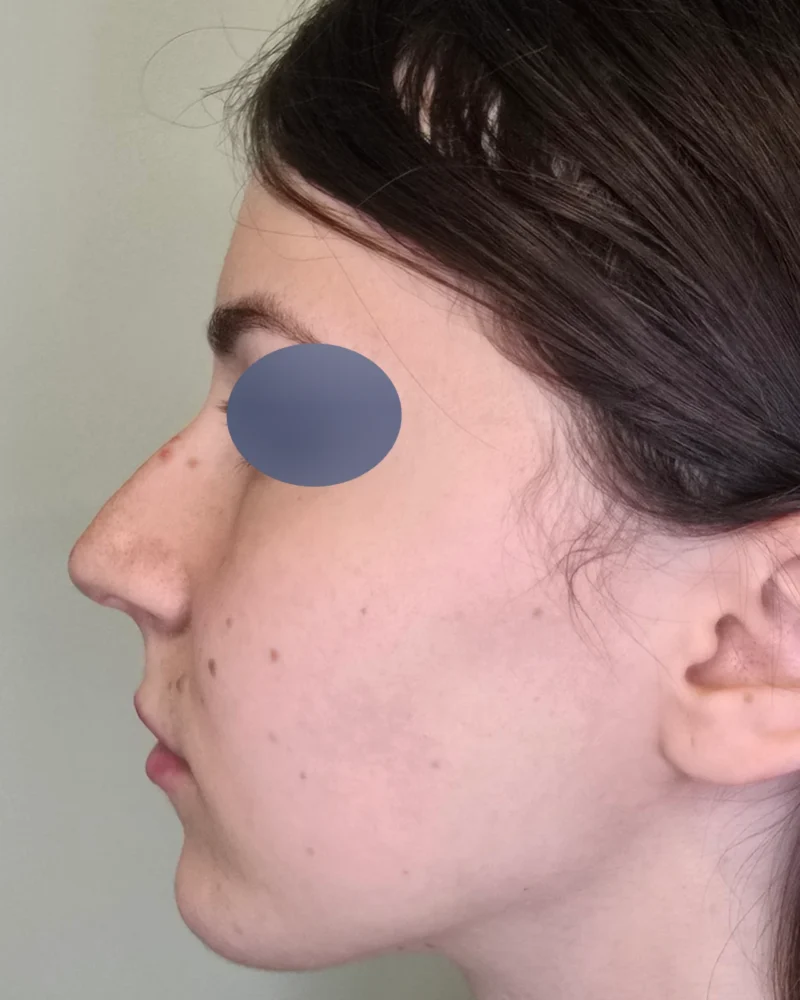 Before
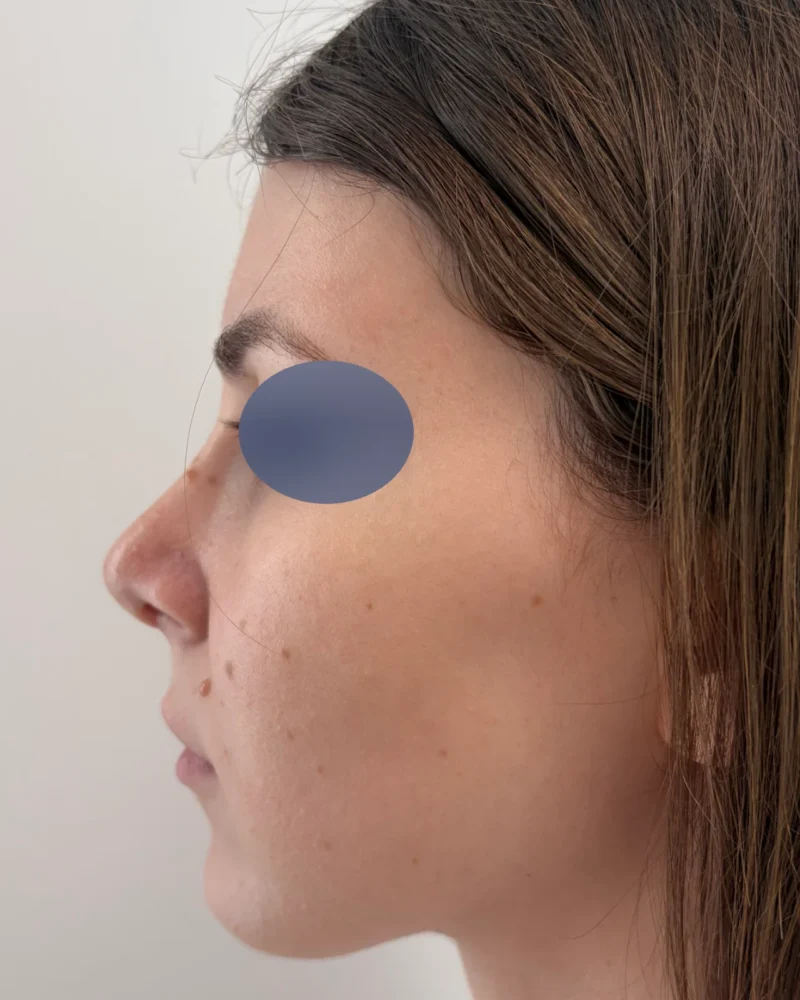 After
AfterFront
Rhinoplasty
Woman, 25–30 · Rhinoplasty · 2 months after · Surgeon: Dr Prodromos Papaioannou
Contact usSee this case →All results: Facial aesthetics →
Results vary from patient to patient.
How are facial proportions assessed?
I assess facial proportions on two levels: from the front, by dividing the face into three thirds, and from the side, by looking at how the nose, lips and chin relate to each other. There is no single template. Measurements show where the imbalance lies, but the decision is based on your own face and what bothers you.
The three thirds of the face
The position and shape of the eyebrows matter a great deal, in women and men alike, and are closely linked to a youthful, rested expression. The shape and size of the forehead determine how masculine or feminine a face looks and play a large part in its overall proportions. Ideally, the forehead takes up one third of the face, equal to the middle and lower thirds.
The profile: nose, lips and chin
In profile, I always judge the nose, lips and chin together. A small or set-back chin makes the nose look larger than it is, and a large chin can make a normal nose look small. That is why, when someone comes to me about their nose, I always look at the chin from the side as well.
The nose should suit the chin and the eyes. I usually suggest a straight bridge with a slightly lifted tip, not an upturned “ski-slope” nose. On the upper lip I measure the philtrum, the distance from the base of the nose to the edge of the lip: around 15 mm or more in younger patients and 16 mm or more in older patients, with a lip that covers the upper teeth, points to a lip lift.
The chin is also judged against the bite. If the problem is the bite itself, corrective jaw (orthognathic) surgery may be needed, with a first assessment by an orthodontist or a maxillofacial surgeon. At the consultation I photograph your face from the front and the side; a simulation shows the change but does not guarantee the result.
Which operation changes which facial feature?
Each feature has its own operation: rhinoplasty for the nose, a lip lift for the upper lip, implants for the chin and cheekbones, buccal fat removal for the cheeks and otoplasty for the ears. A large chin is made smaller by reshaping the bone. The table matches each operation to the concern it treats.
| Feature | What bothers the patient | Operation |
|---|---|---|
| Nose | Hump, large or wide nose, drooping tip, crooked nose, difficulty breathing | Rhinoplasty |
| Upper lip | Long lip that covers the upper teeth, including when smiling | Lip lift |
| Chin and jaw | Small or set-back chin, weak profile · large or very prominent chin | Chin implant · chin reduction by reshaping the bone |
| Cheekbones | Flat cheekbones, weak midface | Cheek implants |
| Cheeks | Full, round cheeks at a normal, stable weight | Buccal fat removal |
| Ears | Prominent or asymmetrical ears | Otoplasty |
Rhinoplasty. It corrects the shape of the nose and breathing in the same operation, including the septum and turbinates. I perform most with an open structural technique; they take 2 to 2.5 hours and need no hospital stay. Full details are on the rhinoplasty page.
Lip lift. I remove a thin strip of skin under the nose through a bullhorn incision, so that the whole lip lifts evenly. It is done under local anaesthesia in about half an hour. See the lip lift page.
Chin and cheekbones. For projection, I place solid silicone implants through the mouth, leaving no scar on the skin. I make a large chin smaller by reshaping the bone, also through an incision inside the mouth. See the facial contouring page.
Buccal fat removal. I conservatively remove only part of the buccal fat pad, through the mouth, and select patients strictly, so that the face does not look hollow over the years. See the buccal fat removal page.
Otoplasty (ear pinning). Through an incision behind the ear I correct the concha, the antihelix or both, in children from the age of 4 and in adults. See the otoplasty page.
Which facial procedures can be combined?
I combine operations that change the proportions of the same profile or the same area, such as rhinoplasty with a chin implant, or a lip lift with buccal fat removal. The change is then planned as a whole, with one anaesthetic and one recovery. I do not combine them when it raises the risk or when one decision should wait.
Rhinoplasty with a chin implant. This is the most common combination, because the nose and chin shape the profile together. The implant adds about 20 minutes to the operation and is placed through an incision inside the mouth. Planned together, the change to the profile is better balanced and you recover only once.
Lip lift with buccal fat removal. Both are done under local anaesthesia or sedation and change the lower half of the face: the lip lifts and the line below the cheekbones becomes cleaner. They are done together in one operation, usually in about 1 to 1.5 hours in total.
Buccal fat removal with a chin or cheek implant. As the cheeks become slimmer, a stronger chin or more defined cheekbones balance the facial contour. All incisions are inside the mouth.
Otoplasty in adults. It can be combined with other minor facial procedures, which we discuss at the consultation.
When I do not combine procedures:
- When the total operating time or the type of anaesthesia raises the risk more than the combination helps.
- When the chin comes with a significant bite problem; an orthodontist or maxillofacial surgeon assesses it first.
- When the face is already slim or your weight is not stable; buccal fat removal is then not part of the plan.
- When there is active inflammation of the teeth, gums or mouth; operations through the mouth are postponed.
Do I need aesthetic surgery or facial rejuvenation?
If what bothers you is a feature you have always had, such as your nose, chin or ears, you need aesthetic surgery. If it is something that has changed with age, such as laxity along the jaw, in the neck or around the brows, the route is facial rejuvenation, which the facelift guide covers.
The distinction matters because the two routes correct different things. A chin implant gives projection, but it does not lift sagging skin along the jawline. Buccal fat removal slims a full, young face, but in an older face with laxity the volume needs to be kept, and that is when we talk about a facelift.
Some operations belong to both routes. A lip lift corrects a naturally long lip in young people, and also a lip that has lengthened with age; in that case it is often done together with a facelift, because a facelift does not shorten the upper lip. In otoplasty for older patients, large earlobes are usually corrected during a facelift. At the consultation I explain which route suits your face.
What are my options after years of injectables?
Injectable materials add volume, but they do not move tissue or change the bone structure. When volume no longer gives the result you want, surgery changes the shape directly: it makes the nose smaller, shortens the lip or gives the chin permanent projection. I do not perform injectable treatments and I do not treat complications of injectable materials.
Three examples show the difference. Injectable material in the lip adds volume, but it does not shorten the distance from the nose to the lip; a lip lift does, with a result that lasts many years. Injectable material in the nose can hide a small hump, but it does not make the nose smaller or improve breathing, which rhinoplasty does. In the chin and cheekbones, a solid silicone implant gives permanent projection without repeated injections.
If you want volume from your own tissue, I use fat transfer, mainly alongside other operations. If you have injectable materials in the area to be operated on, tell me at the consultation, because they affect the planning. As a rule, injectable material that can be dissolved should be dissolved at least 2 weeks before surgery; permanent materials are assessed individually.
Frequently asked questions
What is the minimum age for cosmetic surgery on the face?
It depends on the operation. Otoplasty is done from the age of 4, ideally between 4 and 6. Rhinoplasty is done once growth is complete, usually at 16 for girls and 18 for boys. Implants and chin reduction are done once the face has finished growing, usually at the same age as rhinoplasty. A lip lift has no age limit. For patients under 18, written consent from both parents is required.
Does facial cosmetic surgery leave visible scars?
Most facial aesthetic operations leave no visible scar on the skin of the face. Chin and cheek implants, chin reduction and buccal fat removal are done through incisions inside the mouth. In otoplasty the incision is behind the ear. In open rhinoplasty the only visible incision is on the columella, between the nostrils, and it becomes hard to see within a few months. In a lip lift the scar sits in the natural crease under the nose and almost disappears over a few months.
How soon can I go back to work after facial surgery?
After one to two weeks for most operations. Otoplasty: 1 week. Rhinoplasty: about 10 days. Chin implant or buccal fat removal: 10 to 15 days for office work. Lip lift: almost straight away with a face mask, with the swelling settling in about 10 days. The exact timings for each operation are on its own page.
Are the results of facial aesthetic surgery permanent?
Yes, for operations that change the bone structure or remove tissue. Changes to the bones and cartilage of the nose are permanent, solid silicone implants are not absorbed, and buccal fat that has been removed does not come back. Your face does keep ageing, though, and over the years another operation may be needed. Fat transfer is different, because part of the transferred fat is absorbed.
Can I see what I will look like before surgery?
To a degree. At the consultation I photograph your face from the front and the side, and for the nose a computer simulation helps explain the changes. A simulation is not a guarantee of the result, because the final shape also depends on your skin and how you heal. It does help us agree on what we mean by a “smaller” nose or a “stronger” chin. Together with the measurements, this discussion sets the plan you receive in writing.
Do men have facial cosmetic surgery?
Yes, and the goals often differ. In male rhinoplasty the aim is usually a straight, stronger bridge and a tip that is not lifted too much, so the nose stays masculine. A chin implant gives a stronger profile. Buccal fat removal suits men with a round face, provided their weight is stable.
Related articles
- Open or closed rhinoplasty
- Rhinoplasty: common misconceptions
- Rhinoplasty techniques
- Rhinoplasty in men
- Fat transfer to the face
- When injectables are no longer the answer
References
- Farkas LG, editor. Anthropometry of the head and face. 2nd ed. New York: Raven Press; 1994.
- Naini FB. Facial aesthetics: concepts and clinical diagnosis. Chichester: Wiley-Blackwell; 2011.
Consultation
In Thessaloniki, in Athens or by video. Examination, options and a written plan.