










Breast
Breast surgery in Thessaloniki and Athens, Greece
Breast surgery covers augmentation, breast lift, reduction, revision, gynaecomastia (gynecomastia) and reconstruction after mastectomy. Which one suits you depends on what you want to change: volume, sagging, weight, the result of an earlier operation, or rebuilding the breast after mastectomy.

Medically reviewed by Dr Prodromos Papaioannou, Plastic Surgeon, HESPRAS member, ASPS International Member · Last reviewed:
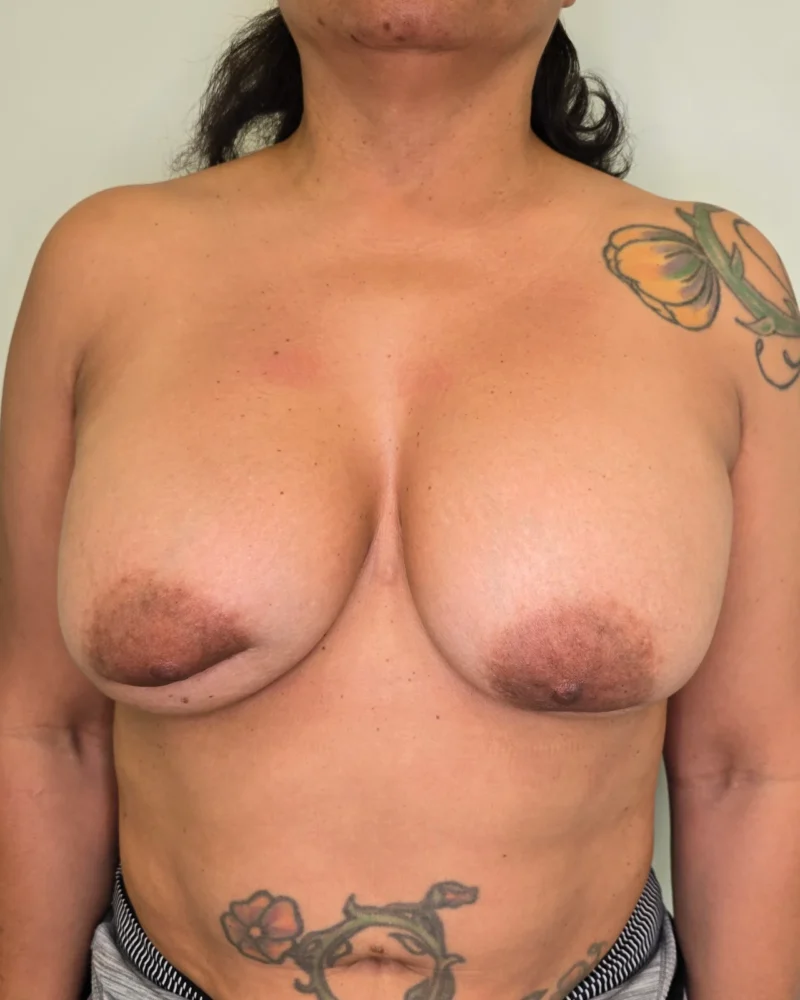 Before
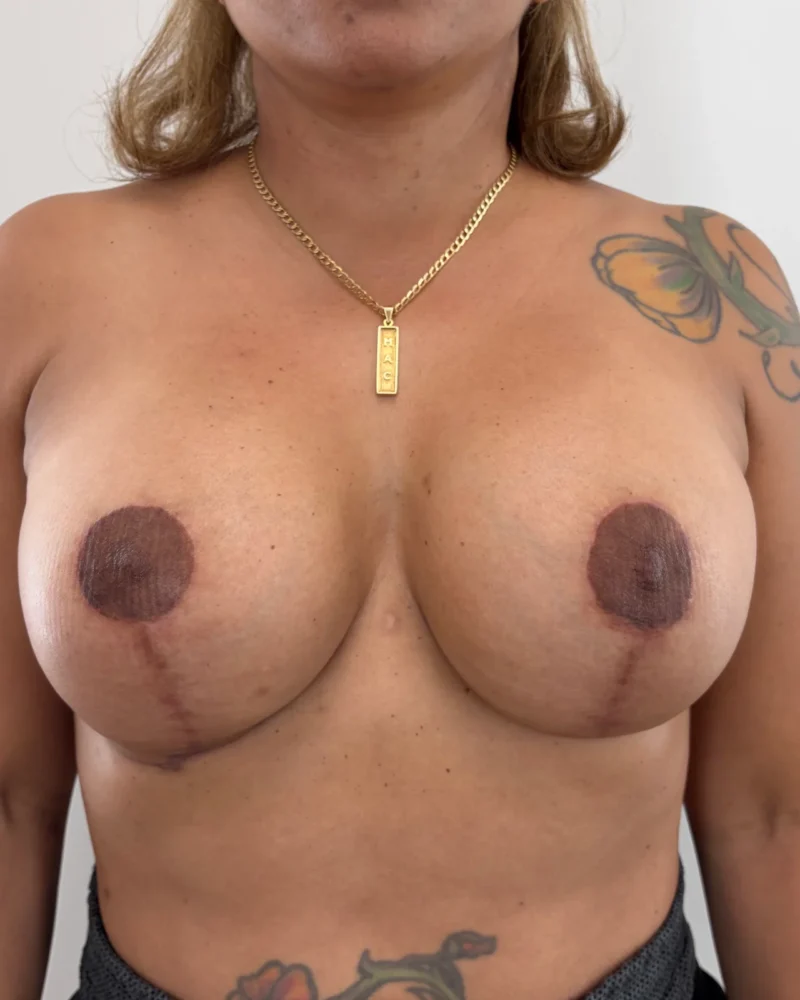 After
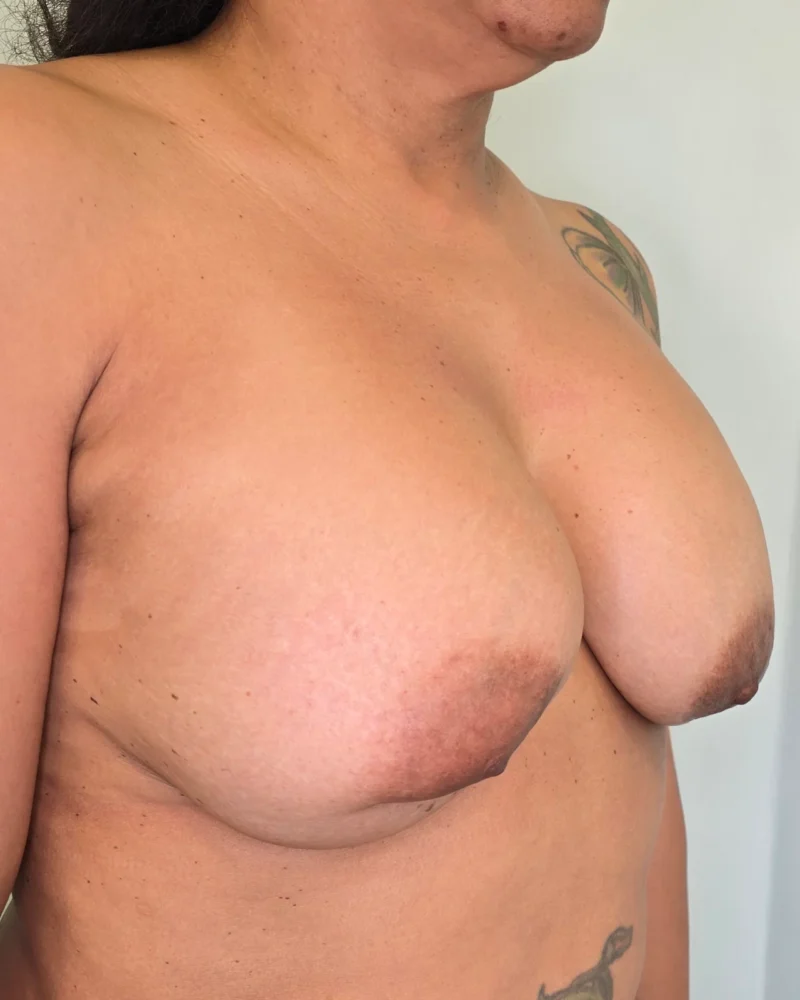 Before
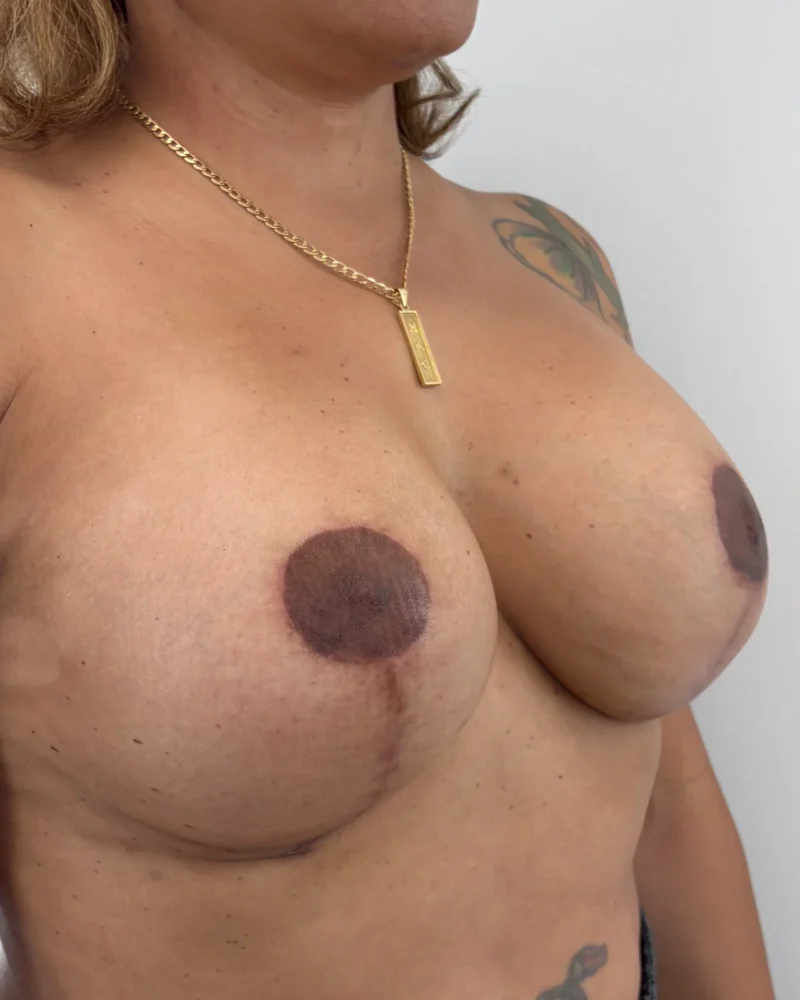 After
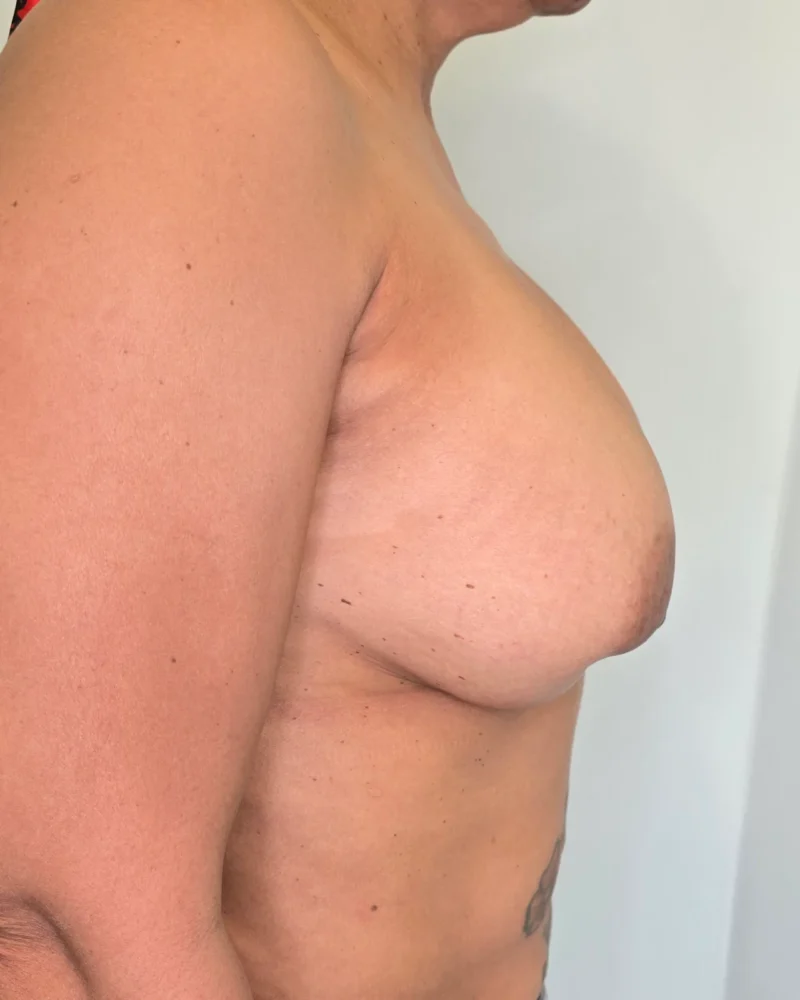 Before
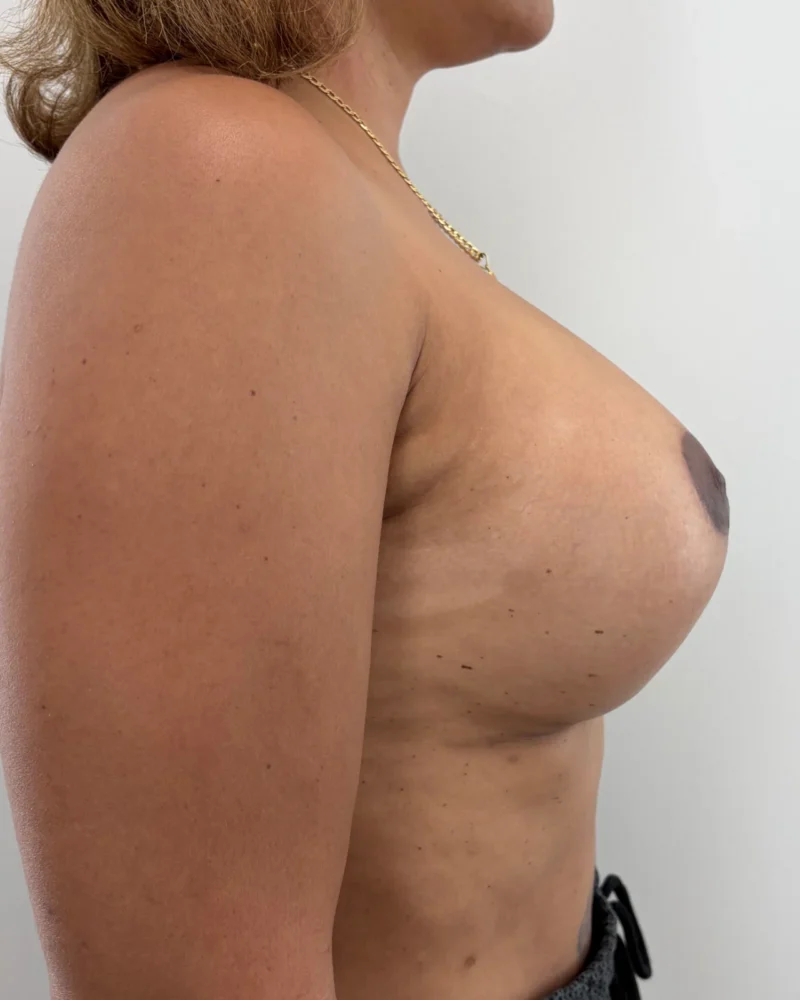 After
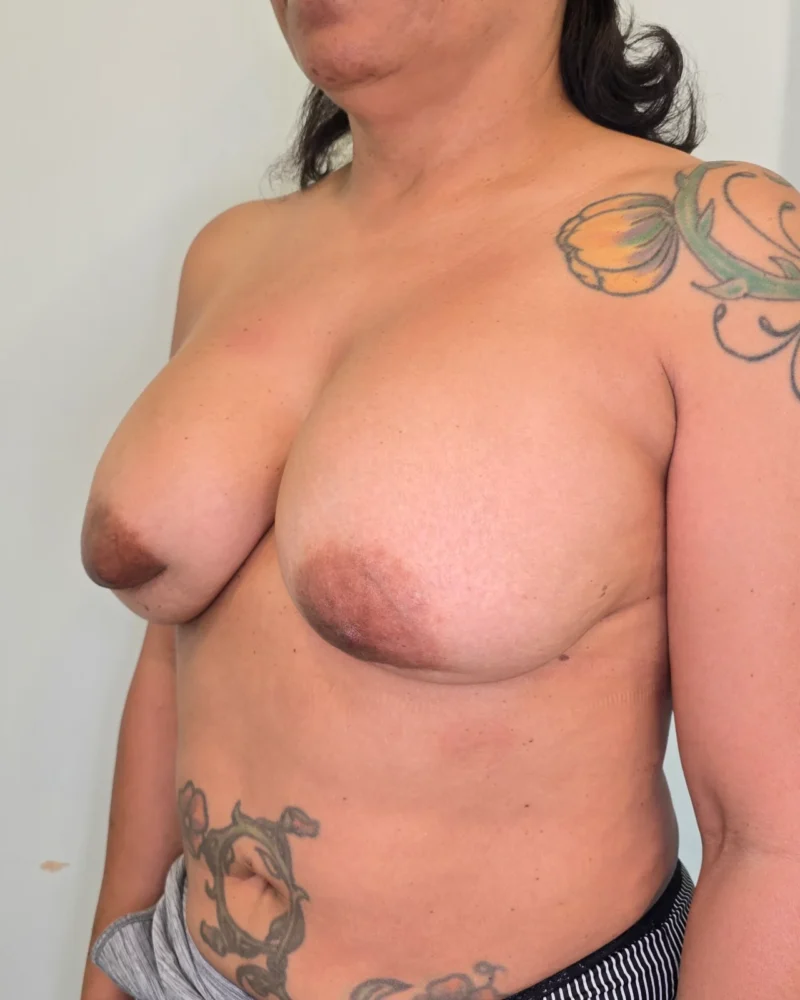 Before
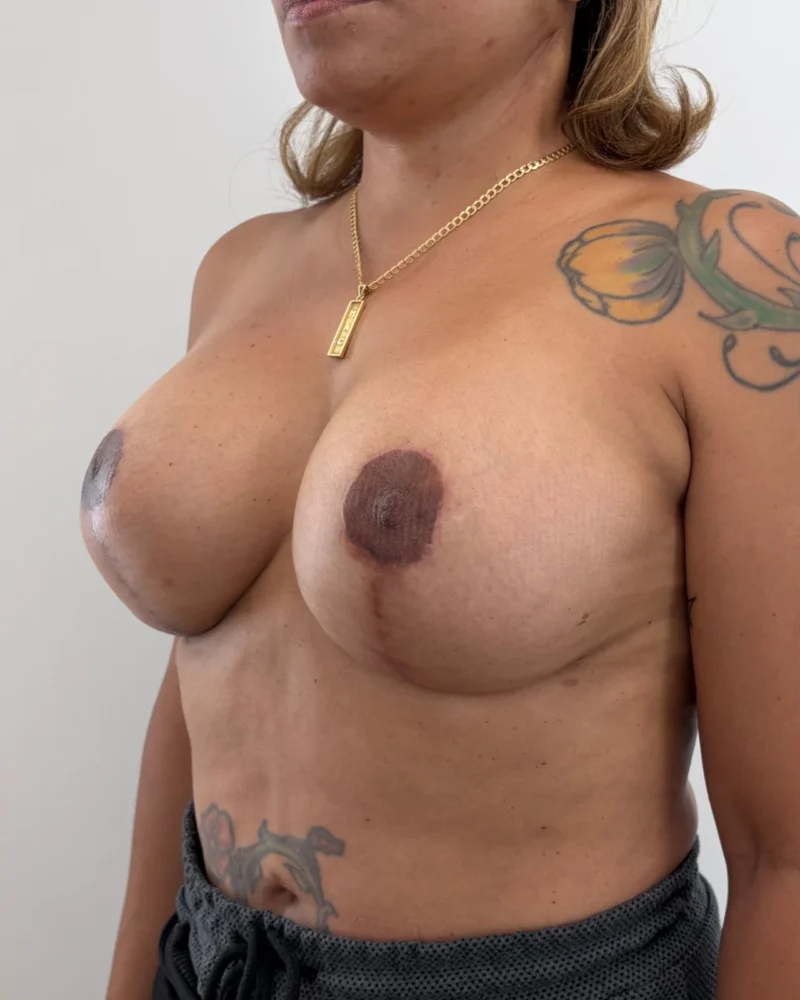 After
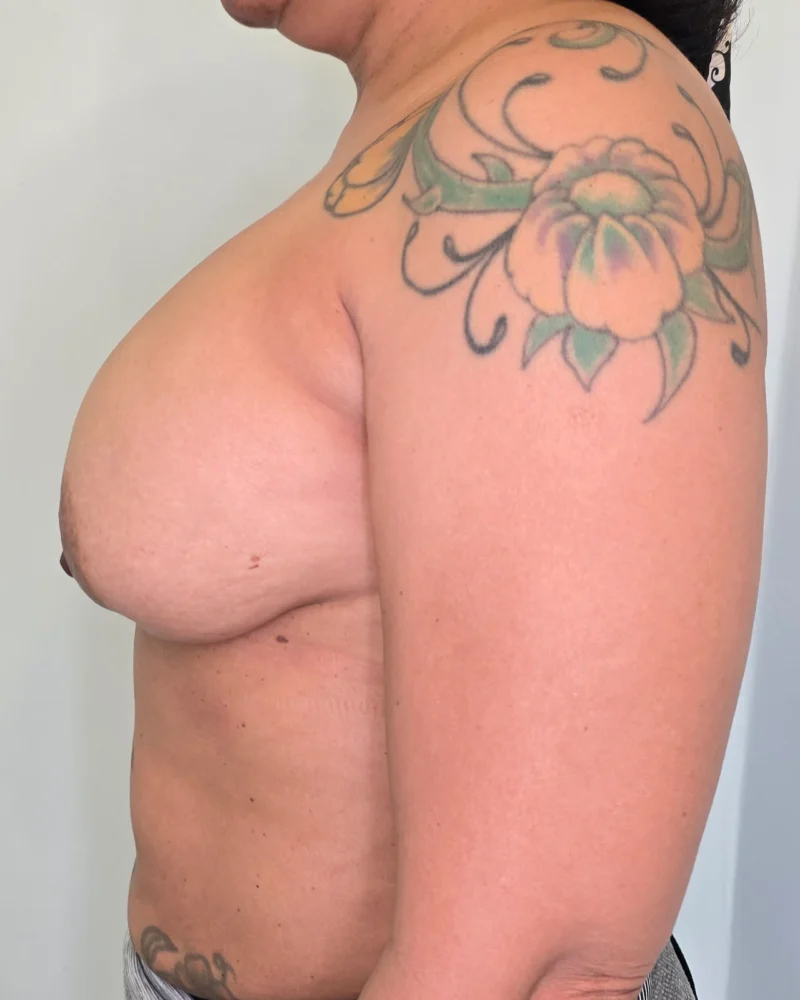 Before
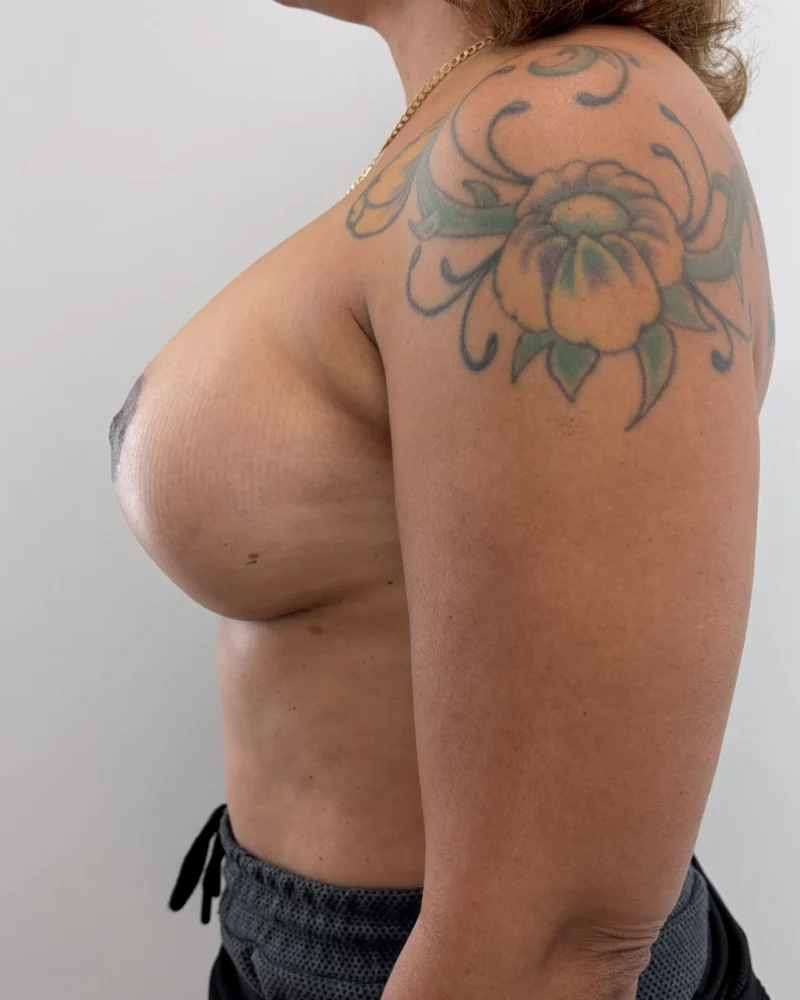 After
These photos include nudity.
Front
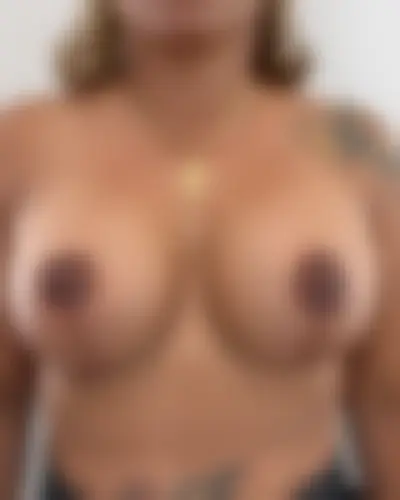
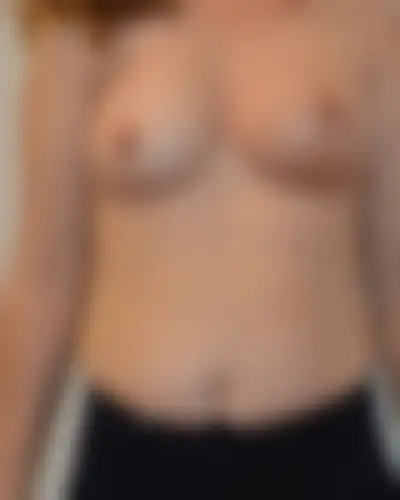
Breast augmentation and breast lift and revision breast surgery
Woman, 50–60 · Breast augmentation and breast lift and revision breast surgery · 5 months after · Surgeon: Dr Prodromos Papaioannou
Contact usSee this case →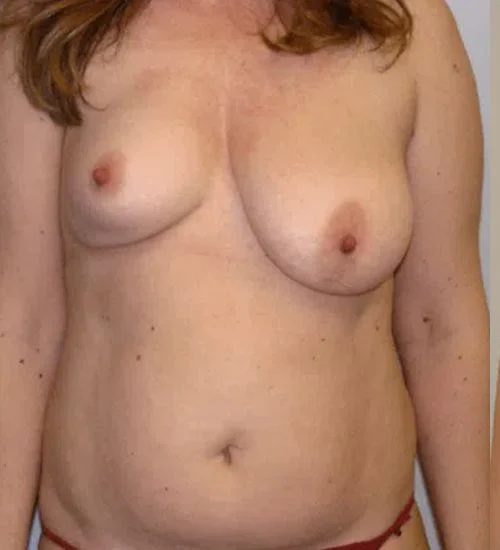 Before
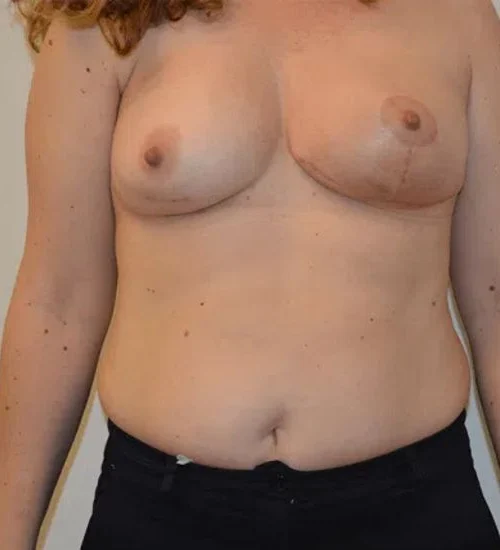 After
These photos include nudity.
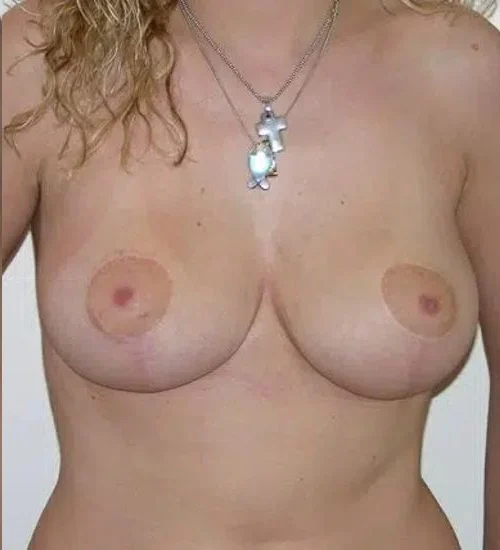 Before
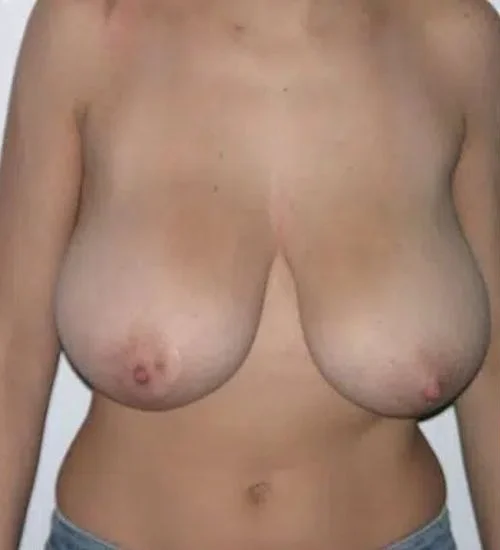 After
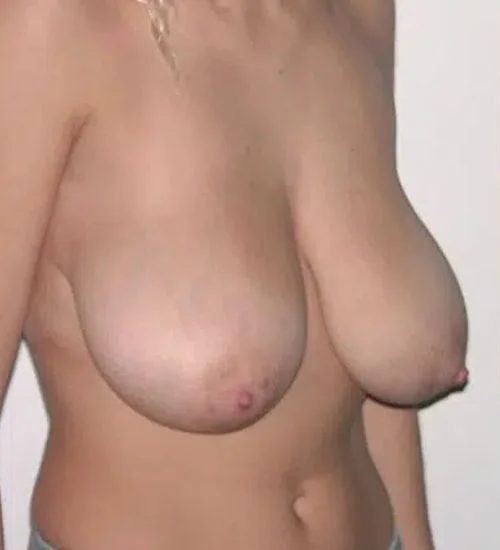 Before
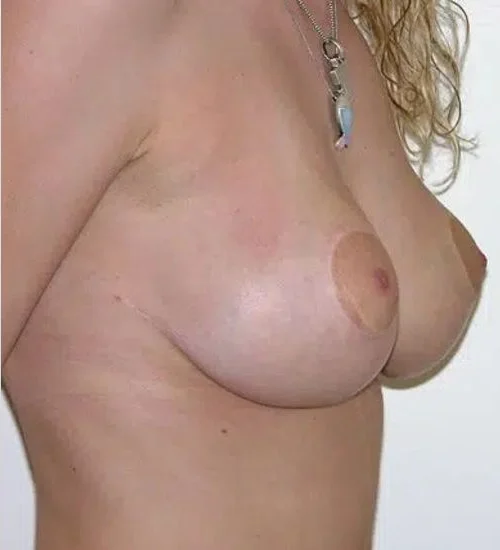 After
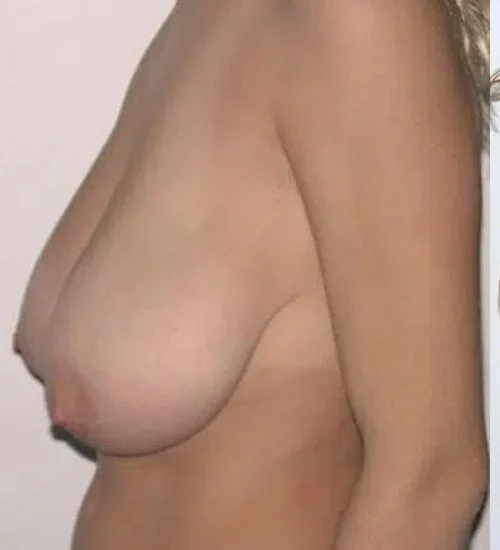 Before
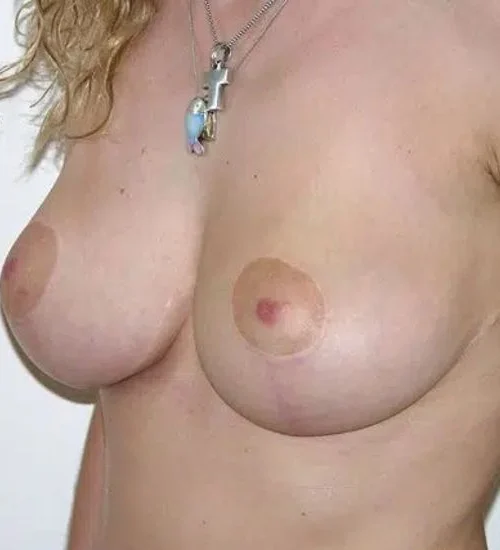 After
These photos include nudity.
Front
Results vary from patient to patient.
Which breast operation is right for me?
Low volume is corrected with augmentation, sagging with a lift, heavy and painful breasts with a reduction, and problems from a previous operation with revision. Two procedures are often combined, such as a lift with an implant. The final recommendation is made after I have examined you.
Breast augmentation
For breasts that never developed fully, for asymmetry, or for volume lost after pregnancy or weight loss. It is done with implants and, in selected cases, with the Preservé technique. Read more: Breast augmentation.
Breast lift
For breasts that have dropped, with the nipple close to or below the crease under the breast (the inframammary fold). A lift does not add volume; when volume is needed, it is combined with an implant. Read more: Breast lift.
Breast reduction
For large, heavy breasts that cause back, neck or shoulder pain, skin irritation or difficulty exercising. The breasts become smaller and sit higher. Read more: Breast reduction.
Breast revision surgery
For problems after breast augmentation: capsular contracture, a misplaced or ruptured implant, asymmetry or sagging. It includes removal of silicone implants, with or without replacement, and is planned around the cause of the problem.
Gynaecomastia
For enlarged breasts in men, caused by glandular tissue, fat or both. Depending on the grade, it is corrected with liposuction, with removal of the gland through a small incision at the lower edge of the areola, or with a combination of the two. Read more: Gynaecomastia.
Breast reconstruction after mastectomy
To rebuild the breast after mastectomy or preventive (prophylactic) mastectomy, either at the same time or later: with implants or tissue expanders, with tissue from the abdomen (DIEP, TRAM) or the back, with fat transfer, and with nipple reconstruction. The technique is chosen according to your cancer treatment and the quality of your tissues. Read more: Breast reconstruction.
Breast malformations
For tuberous breasts, Poland syndrome, marked asymmetry and inverted nipples. Depending on the malformation, correction combines an implant, fat transfer, a lift or a reduction. Read more: Breast malformations.
Why do breasts change with age?
Over the years the breasts loosen and drop: they lose volume, the skin stretches and the gland loses its support. Pregnancy, breastfeeding and large changes in breast size bring this on earlier, and in large breasts it becomes more marked with age. Depending on which change dominates, a lift, augmentation or reduction is the answer.
Sagging is a natural process that progresses over the years. In some women it starts earlier, either because of the anatomy of the breast or because of large changes in its size, as in pregnancy and breastfeeding. Often the two breasts have not dropped to the same degree, so there is asymmetry as well.
Sagging comes from three factors that often occur together: loss of volume, especially in the upper part of the breast, which creates pseudoptosis (apparent sagging); loose skin, usually with stretch marks and excess skin; and loss of support for the breast gland. A breast lift therefore aims to restore the lost volume, reduce the excess skin and give the breast gland better support.
Breasts can also grow excessively, in adolescence, with weight gain or with hormonal changes such as the menopause. Because of their weight, they usually sag markedly as well: the upper part empties, the nipple drops, the areola widens and the lower part becomes too heavy. This picture usually becomes more pronounced with age.
How do the breast operations compare?
Augmentation, lift, reduction, revision and gynaecomastia surgery are day-case operations: you go home the same day, accompanied by someone. Reconstruction after mastectomy needs a hospital stay. The table shows how long each operation takes and when you can return to work and exercise; your own timings are confirmed at the consultation.
| Procedure | Anaesthesia | Duration | Back to work | Exercise |
|---|---|---|---|---|
| Augmentation | General, or local with Preservé | Up to 40 minutes | 5 days | 6 weeks |
| Lift | General | 1.5 hours; up to 2.5 hours with an implant | 5 days | 4–6 weeks |
| Reduction | General | 2.5–3 hours | 1 week | 1 month |
| Revision | General | 1–3 hours | 5 days | 4–6 weeks or longer |
| Gynaecomastia | General | About 1 hour | 5 days | 6 weeks |
| Reconstruction | General | Depends on the method | About 2–4 weeks with an implant; 6–8 with a flap | About 6 weeks with an implant; 8–12 with a flap |
Can breasts be enlarged without implants?
Yes, with fat transfer from your own body, often called natural breast augmentation. The increase is usually moderate, part of the transferred fat is reabsorbed and a second session may be needed. Today I recommend it only in a small number of selected cases. There is more on this on the breast augmentation page.
Consultation
In Thessaloniki, in Athens or by video. Examination, options and a written plan.