











Body
Liposuction in Thessaloniki and Athens, Greece
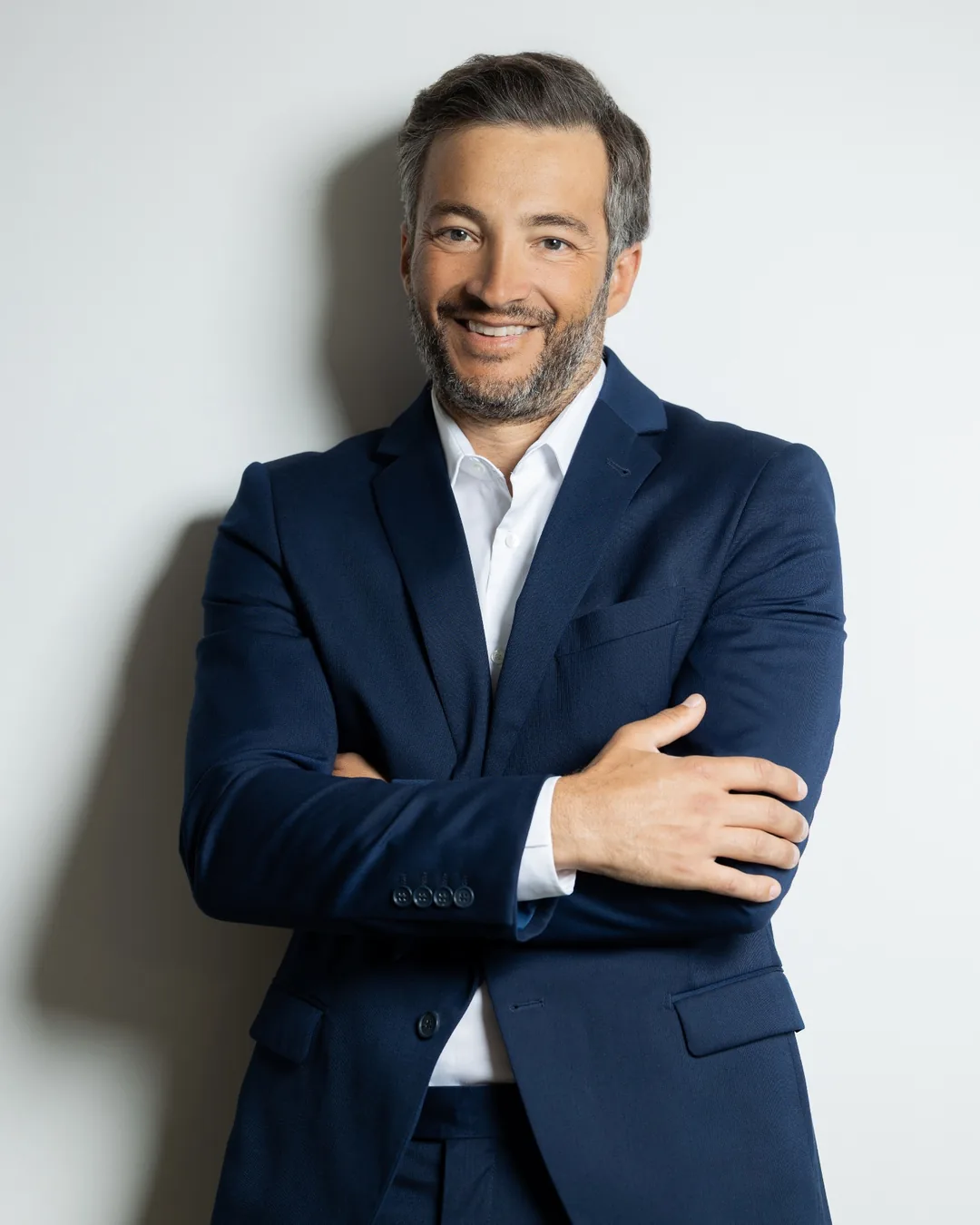
I perform more than 60 liposuctions a year and have been a specialist plastic surgeon since 2012. I plan every liposuction as liposculpture: I do not simply remove fat, I reshape the proportions of the body.
Liposuction removes local fat that does not shift with diet and exercise from the abdomen, flanks, thighs, knees, arms or under the chin. It is for healthy adults with a stable weight, and it changes the contour of your body, not your weight.
60+
operations a year
At a glance
What it treats
Local fat on the abdomen, flanks, thighs, knees, calves, arms, under the chin and on the male chest
Anaesthesia
Local, local with sedation, or general, depending on the extent
Duration
Usually 1 to 3 hours, depending on the areas
Hospital stay
From a few hours to 24 hours; 1 to 2 days when large volumes are removed
Back to work
2 to 3 days after small-volume liposuction, 1 to 2 weeks after extensive liposuction
Exercise
Light after 2 weeks, strenuous after 4 to 6 weeks
Final result
Recovery in 10–12 weeks, final contour at 3–6 months
Where
Interbalkan Medical Center, Thessaloniki · Athens Medical Center, Marousi
Medically reviewed by Dr Prodromos Papaioannou, Plastic Surgeon, HESPRAS member, ASPS International Member · Last reviewed:
What is liposuction?
Liposuction removes subcutaneous fat, the fat just beneath the skin, from specific areas through incisions a few millimetres long, using fine cannulas. I plan it as liposculpture: the aim is new proportions, with curves in women and a more angular contour in men, rather than simply less fat.
I do not treat isolated spots but units of the body. Liposuction of the abdomen, for example, goes together with the flanks, because they are a continuation of the abdomen and are treated as one.
Liposuction does not treat obesity: it removes subcutaneous fat, not the visceral fat around the internal organs. Keeping the result depends on a steady lifestyle.
For lipoedema (lipedema), where liposuction is the main surgical treatment, see the page Liposuction for lipoedema. Liposuction is also combined with a tummy tuck, breast surgery or facial surgery.
Am I a good candidate for liposuction?
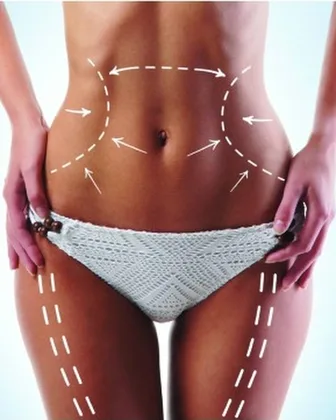
Good candidates are healthy adults with a stable weight, local fat that is out of proportion to the rest of the body, and good skin elasticity. Obesity and loose skin need a different approach. I decide whether liposuction is right for you at the examination.
Who are typical candidates?
- People with local fat that persists despite diet and exercise, such as love handles, a small belly, the thighs or the knees.
- People who want a better body contour and shape (liposculpture).
- Relatively lean people who want their muscle definition to stand out (high-definition liposuction).
- People with a large volume of local fat who need high-performance liposuction.
- Men with fat on the chest; when there is also glandular tissue, see the page on gynaecomastia (gynecomastia).
- Women with lipoedema.
- People having a tummy tuck or another operation, where liposuction improves the contour.
When do I not recommend it?
- As a weight-loss method or a treatment for obesity.
- When the problem is mainly visceral fat (a firm, distended abdomen), which liposuction does not remove.
- When there is significant excess and laxity of the skin; then we discuss a tummy tuck or another skin-removal operation.
- When your weight has not stabilised.
- When there are serious health problems, clotting disorders or a history of thrombosis that have not been assessed.
- During pregnancy or breastfeeding.
- When expectations are not realistic, for example a high-definition result in someone with a high body-fat percentage.
How do I prepare for liposuction?
Preparation starts with a consultation, where I examine you and we agree a written plan and quote. Before surgery you need blood tests and, depending on your age and the extent of the operation, a cardiology check. You stop smoking at least 4 weeks before surgery and have your compression garment ready.
What happens at the consultation?
I examine the areas that concern you, how the fat is distributed and the quality and elasticity of your skin, and I distinguish subcutaneous fat from visceral fat, which liposuction does not remove. We discuss what you would like to change and which areas should be treated together for a balanced result. We decide on the technique, the anaesthesia and whether you need to stay in hospital. If your skin laxity is significant, I tell you from the start and we discuss a tummy tuck or another operation. An initial assessment can be done remotely, with photographs and a phone or online call, but the final decision is made after the examination. You receive a written plan and quote.
What tests and instructions apply before surgery?
You need pre-operative blood tests, usually a full blood count, clotting, kidney function and blood sugar, and, depending on your age and the extent of the operation, a cardiology check. Tests done abroad are accepted if they are no more than 1 month old. For extensive liposuction we also assess the risk of thrombosis. Smoking increases the risk of complications; stop at least 4 weeks before and 4 weeks after surgery. If you take anticoagulants or antiplatelet medicines, tell me; they are stopped only in agreement with the doctor who prescribes them. Have your compression garment or compression tights ready. The date of surgery is set once your tests are complete.
How is liposuction performed and how long does it take?
Liposuction is done under local anaesthesia, local anaesthesia with sedation, or general anaesthesia, depending on the extent. A solution of local anaesthetic and medicines that limit bleeding is injected first, then the fat is removed through incisions of 4 to 6 millimetres. I prefer Microaire power-assisted liposuction (PAL). It usually takes 1 to 3 hours.
The choice of anaesthesia depends on how many areas are treated and the total amount of fat to be removed. There is a maximum dose of local anaesthetic per patient, which we never exceed, and it covers only a limited area. That is why, for extensive liposuction, I prefer to combine local anaesthesia with general anaesthesia, for practical and safety reasons. The length of the operation depends on the number of areas. Fat removal follows the pre-operative plan and basic principles that protect the skin, so that we avoid laxity and irregularities.
Microaire power-assisted liposuction (PAL)
In my view, the equipment matters less than planning and experience. Personally, I prefer Microaire power-assisted liposuction (PAL): the cannula makes small pulsating movements that allow speed, precise handling and less trauma to the tissues.
High-performance liposuction
This is the most common technique. We remove large amounts of fat and sculpt the body, mainly on the abdomen, the torso and the legs. The average removal is 3 to 5 litres and in some cases reaches 7 to 8 litres. It can substantially change a person’s body shape.
High-definition liposuction
This is for relatively lean people who want their muscle definition to stand out, such as the rectus abdominis. It is performed with fine cannulas for assisted liposuction. The results are similar whichever technique we choose, as long as the equipment allows high-definition liposculpture. In some cases we combine it with fat transfer to targeted areas. It is not suitable for everyone.
Incisions and stitches
The incisions are very small, 4 to 6 millimetres, and I place them in body folds so that they are hidden. They leave small scars that become barely visible over time. The incisions are either closed with a stitch or left open so that fluid can drain. If an incision is stitched, the stitch is removed at 5 to 7 days.
Combining liposuction with other operations
Liposuction is often combined with a tummy tuck, with breast and facial surgery, and with fat transfer to another area. In men with fat and glandular tissue on the chest, it is combined with removal of the gland; see the page on gynaecomastia. In grade 2 or 3 lipoedema we perform large-volume liposuction (megaliposuction), often in several stages; see the page Liposuction for lipoedema.
Hospital stay
You stay in hospital from a few hours to 24 hours. After very large-volume liposuction, where the total volume exceeds 5 litres, a hospital stay of 1 to 2 days is usually needed. If you go home the same day, you need someone with you; after sedation or general anaesthesia you must not drive.
How long is recovery after liposuction?
After small-volume liposuction there is little bruising and the swelling settles quickly. After extensive liposuction, pain lasts 4 to 5 days, bruising and swelling 10 to 15 days, and you may feel tired for a few weeks. You wear a compression garment for one month; recovery is complete in 10 to 12 weeks.
| When | How you feel | What you can do |
|---|---|---|
| Day 1 | Tired after the anaesthesia; fluid leaking from the incisions, which is expected | Walking from the first day; compression garment or compression tights at all times |
| Days 2–5 | Minimal pain after small-volume liposuction; after extensive liposuction, an ache like stiff muscles for 4–5 days | Simple painkillers; office work after 2–3 days following small-volume liposuction |
| Days 10–15 | Bruising and swelling settle | Back to work 1–2 weeks after extensive liposuction |
| Weeks 2–4 | General tiredness gradually fades; the area may feel firm or numb | Walking; light exercise from about week 4; the compression garment continues until the end of the first month |
| Weeks 4–6 | Less swelling; the new contour starts to show | Stop the compression garment; gradual return to strenuous exercise |
| Weeks 10–12 | The area softens; recovery is complete | Normal activity |
How long do I need to stay in Greece after liposuction?
Plan to stay in Greece for 10 to 15 days. You spend from a few hours to 24 hours in hospital, or 1 to 2 nights after more than 5 litres are removed. Any skin stitches are removed at 5 to 7 days, so the main question is when it is safe for you to fly.
In hospital. After small-volume liposuction most people leave the same day or the next morning. If you leave on the day of surgery, someone must accompany you, and after sedation or general anaesthesia you must not drive. After very large-volume liposuction you stay 1 to 2 nights.
Before you fly. You can usually fly from day 10, keeping flights to 3 hours at most in the first weeks. I see you for a final check the day before your flight.
Follow-up from home. By video call at 10 days, 1 month, 6 months and 1 year.
What to arrange at home. You wear the compression garment for the whole first month. Simple painkillers are usually enough. Plan 2 to 3 days off work after small-volume liposuction and 1 to 2 weeks after extensive liposuction, and expect to feel tired for a few weeks after a large procedure.
How long do liposuction results last?
The fat cells removed do not grow back, because adult fat cells multiply very little. That makes the new proportions permanent as long as your weight stays fairly stable. If you gain weight, fat collects more in the areas we did not treat, but the new contour remains.
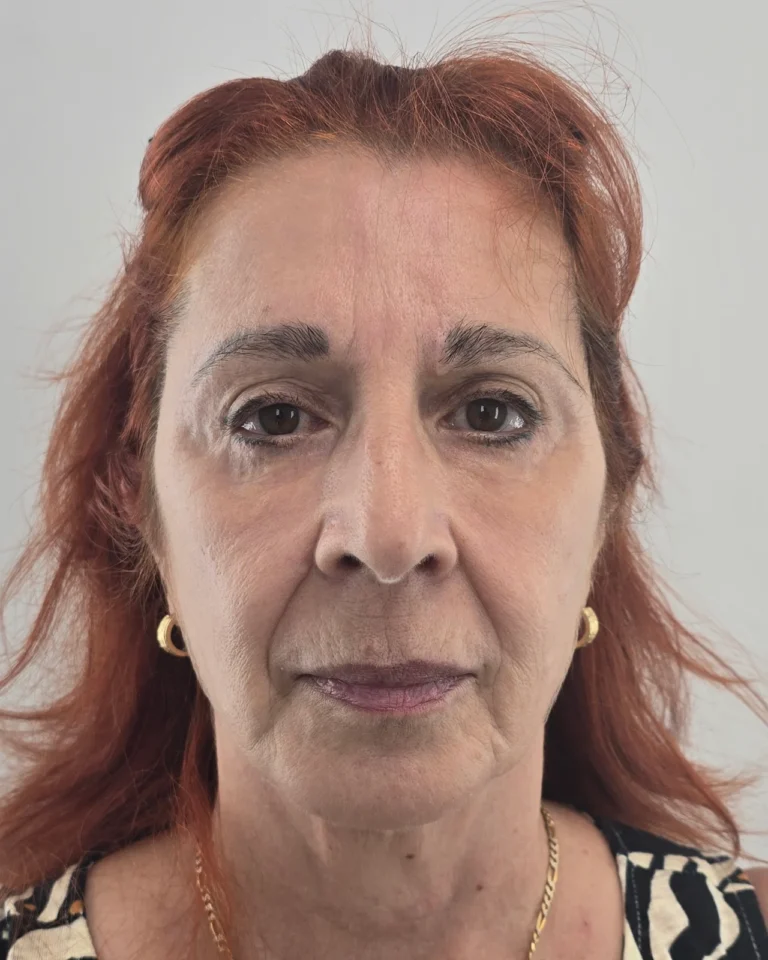
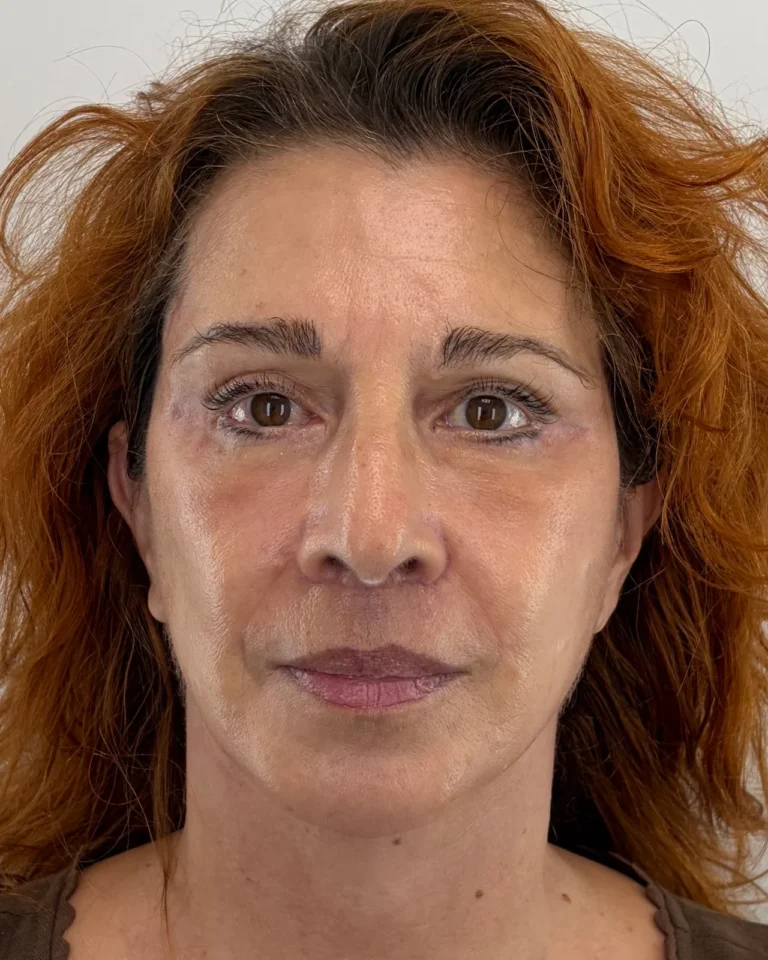
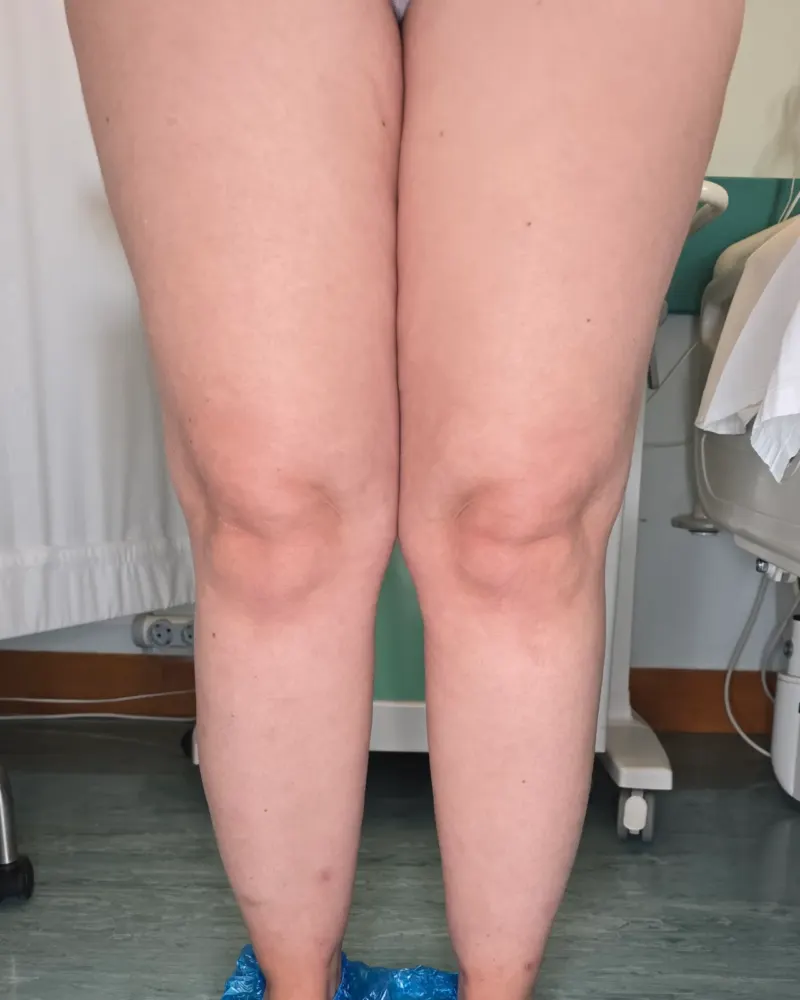 Before
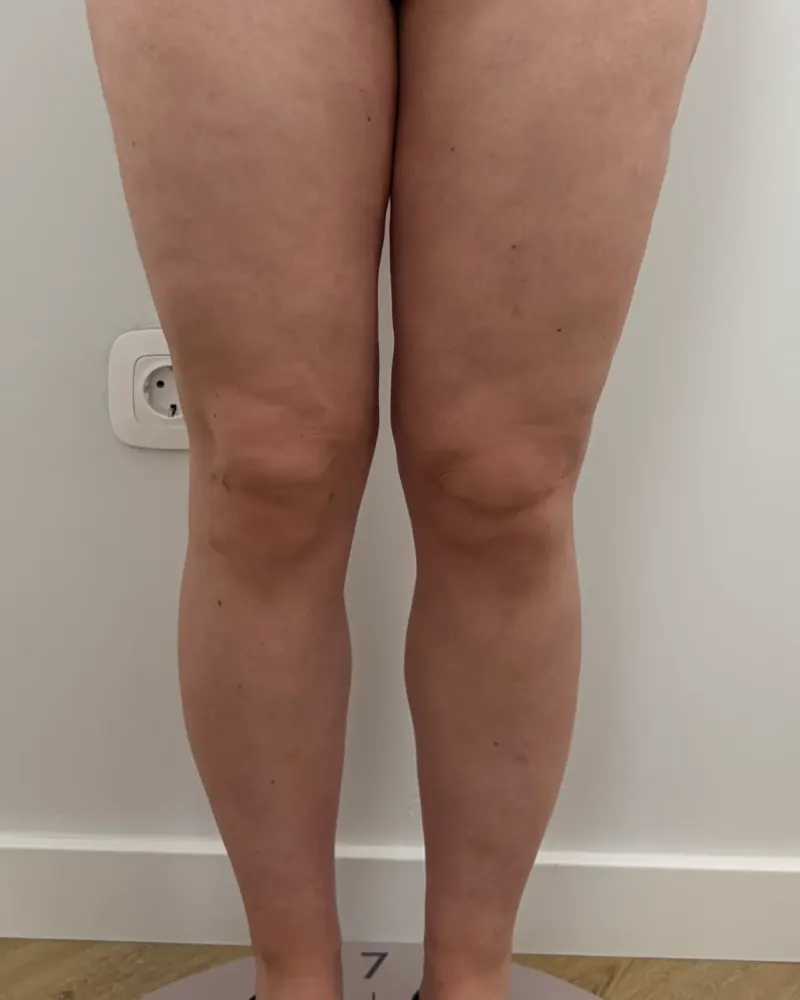 After
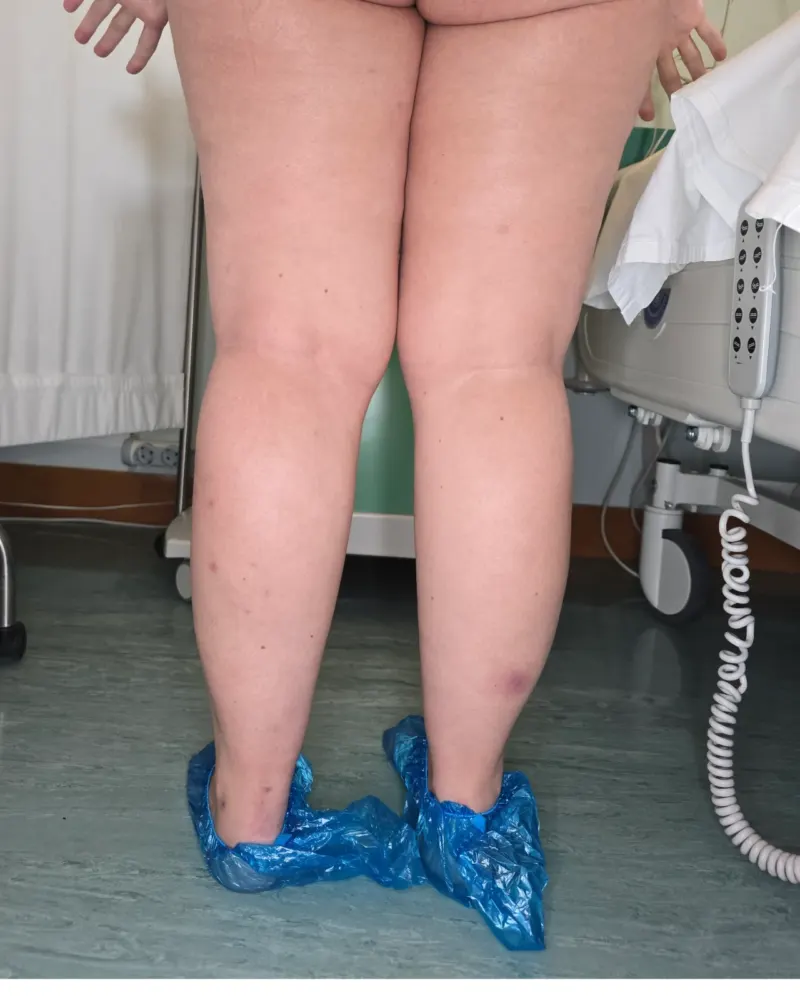 Before
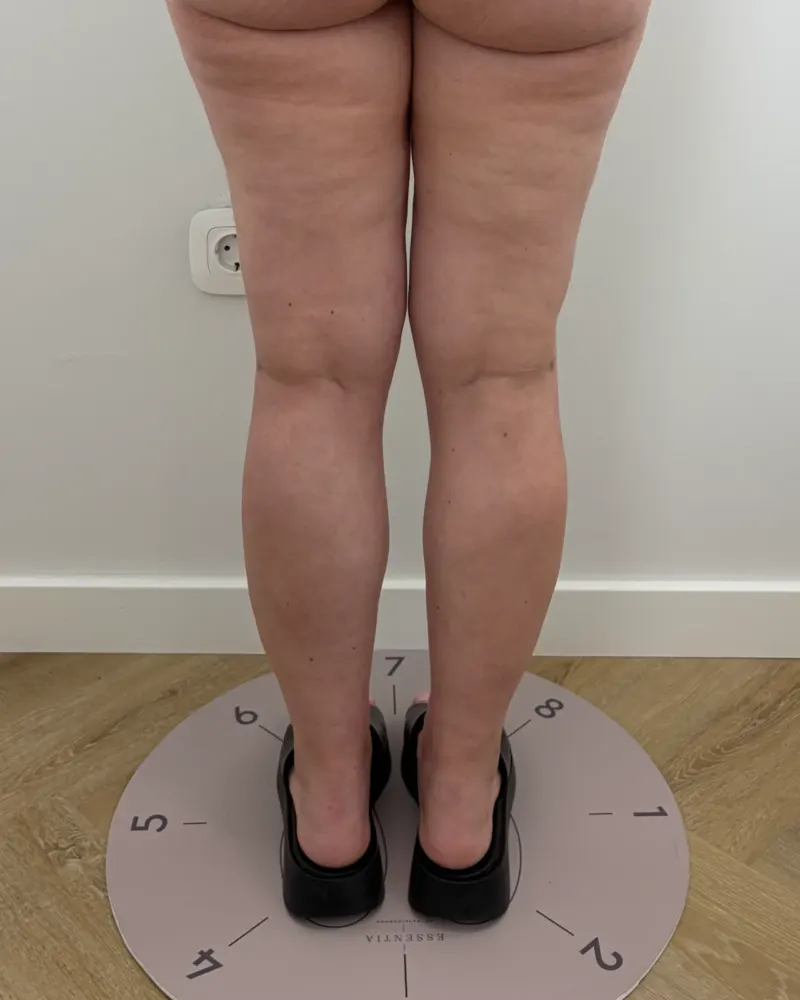 After
These photos include nudity.
Liposuction
Woman, 30–35 · Liposuction · 10 months after · Surgeon: Dr Prodromos Papaioannou
Front
Results vary from patient to patient.
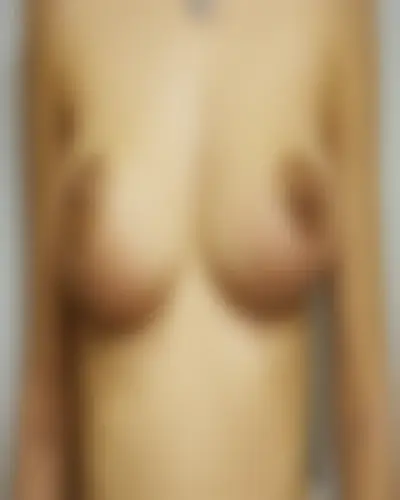
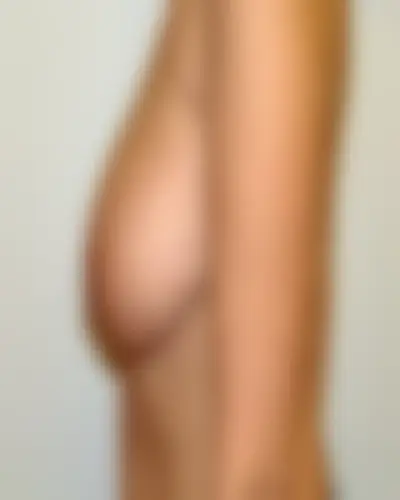
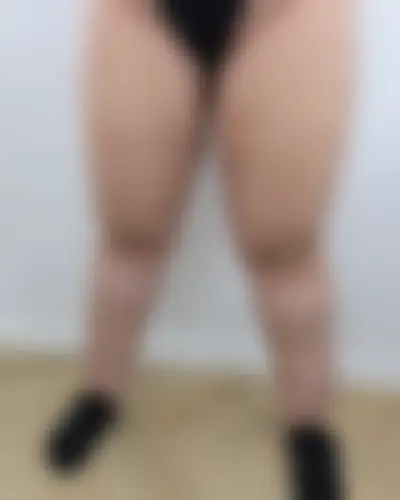
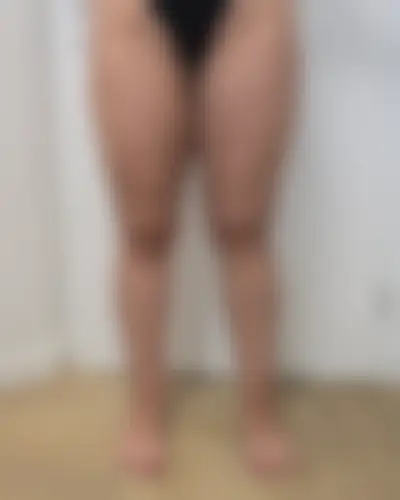
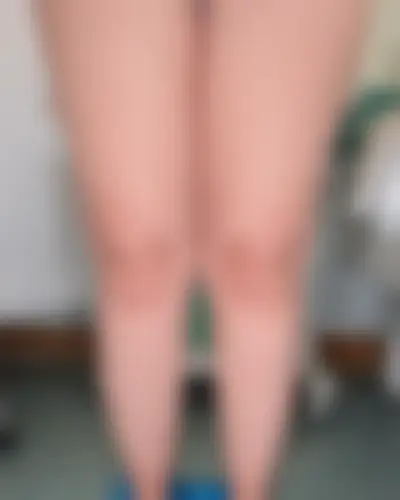
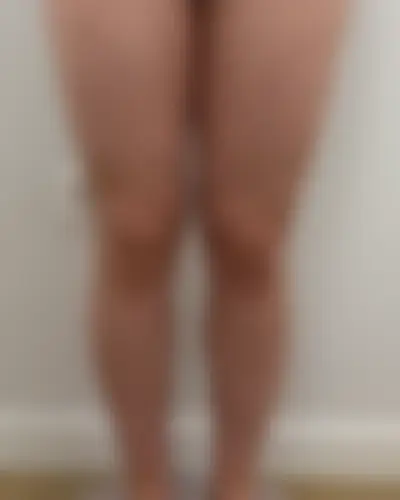
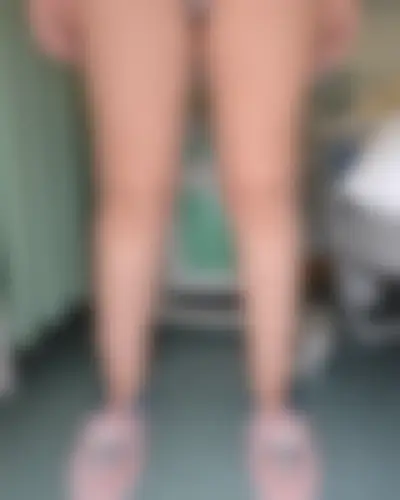
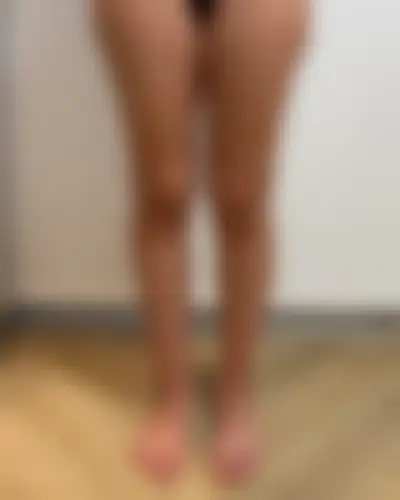
With liposculpture and high-performance liposuction, proportions are corrected significantly and the muscles are emphasised. On the legs, especially in lipoedema, the ankle and calf take shape again where before they looked like one piece. On the abdomen and flanks, the waist is defined and the abdomen becomes narrower. With high-definition liposculpture, the rectus abdominis muscles stand out more clearly. Liposuction on its own also makes the skin contract to some degree, though not in a predictable way, provided it respects the superficial layer of fat beneath the skin. These results are hard to achieve with exercise and diet alone, but they last better when you change your lifestyle to some extent.
What are the risks of liposuction?
Liposuction is one of the most common operations in plastic surgery, but it is still surgery and carries risks. The most common are temporary: bruising, swelling and numbness. Serious complications are rare and linked mainly to large volumes, which is why we keep to safety limits and to the rules on where the operation is performed.
| Complication | How common | Prevention and management |
|---|---|---|
| Bruising and swelling | Common, temporary | Solution that limits bleeding, compression garment; they settle in 10–15 days after large-volume liposuction |
| Numbness or altered sensation | Common, temporary | Usually returns within weeks to months |
| Contour irregularities (dents, rippling) | Not rare | Fine cannulas, respect for the superficial fat layer; correction with fat transfer or touch-up liposuction |
| Asymmetry | Not rare, usually mild | Pre-operative planning; correction once recovery is complete |
| Loose skin | Depends on skin elasticity | Assessment at the consultation; when significant, a tummy tuck or another skin-removal operation |
| Seroma (fluid collection) | Not rare after large-volume liposuction | Compression garment; drainage with a needle at the practice if needed |
| Infection | Rare | Sterile technique, antibiotics when indicated |
| Thrombosis or pulmonary embolism | Rare, serious | Risk assessment, walking from the first day, compression stockings and, where needed, anticoagulant prophylaxis |
| Fluid imbalance or local anaesthetic toxicity | Very rare, mainly with large volumes | Limits on the local anaesthetic dose and the total volume, monitoring by an anaesthetist, overnight stay after large-volume liposuction |
Smoking. Stop at least 4 weeks before and 4 weeks after surgery; smoking increases healing complications. When liposuction is combined with a tummy tuck or another skin-removal operation, I do not operate on heavy smokers unless they stop.
Blood thinners. Tell me if you take anticoagulants or antiplatelet medicines. They are always stopped in agreement with the doctor who prescribes them.
What determines the cost of liposuction?
We do not publish prices. The cost of liposuction depends on the number of areas, the amount of fat removed, the technique, the length of the operation and the type of anaesthesia. You receive a quote after the consultation, once you have been examined and we have agreed together on the plan that suits you.
- The number and extent of the areas.
- The total amount of fat removed.
- The technique: power-assisted liposuction (PAL).
- The anaesthesia (local, with sedation or general) and the length of the hospital stay.
- Combination with a tummy tuck, fat transfer or another operation.
- In lipoedema, the number of stages needed.
Frequently asked questions
Is liposuction a way to lose weight?
No. Liposuction removes subcutaneous fat from areas where it persists or is out of proportion, and it cannot remove the visceral fat around the abdominal organs, which is also the fat most harmful to health. It does not treat obesity and does not replace diet and exercise. It can, however, help people who are trying to lose weight, because it reduces fat in a targeted way in areas that are hard to shift, such as the belly in men and the love handles in women. The visible change often lifts mood and motivation to change lifestyle, which is essential for keeping the result.
How much fat can be removed with liposuction?
It depends on the patient and on the setting in which the operation is performed. According to American safety guidelines, conventional liposuction removes up to about 5,000 ml of total volume, fat together with fluid. In large-volume liposuction, in patients with a high body mass index, more recent studies show that up to 7 to 8% of body weight can be removed, with a hospital stay and close monitoring. In grade 2 or 3 lipoedema we perform large-volume liposuction (megaliposuction), in which, under certain conditions, up to 10% of body weight is removed per operation. We set your limit at the consultation, always with safety as the guide.
Are liposuction results permanent?
Yes, as long as your weight stays relatively stable. Adult fat cells multiply and are replaced very slowly, so the ones that are removed do not come back. The new proportions are kept whether you put on a little weight or lose some. If you gain a lot of weight, the remaining fat cells grow larger, and the fat will show more in areas we did not treat. Age, pregnancy and hormonal changes also affect the body over the years. That is why the result lasts best when you keep a balanced diet and regular exercise after the operation.
Will my skin sag after liposuction?
Usually not, when the skin has good elasticity. After liposuction the skin contracts to some degree in the treated area, though not in a predictable way. Well-performed liposuction respects the skin and does not injure the superficial layer of fat just beneath it, which helps the skin adapt to the new contour, even where there is mild laxity. When laxity is significant, for example after pregnancies or major weight loss, liposuction is not enough and we discuss a tummy tuck or another skin-removal operation. I assess this at the examination.
Is liposuction safe?
Liposuction is one of the most common and most studied operations in plastic surgery, and when it is performed properly serious complications are rare. In the past there were failures that created fear, mainly when the operation was underestimated as a simple cosmetic treatment. It is surgery and is treated as such: in a fully equipped hospital, with an anaesthetist when needed, with limits on the dose of local anaesthetic and on the volume removed, and with measures to prevent thrombosis. The training and experience of the plastic surgeon play a decisive role. We discuss the risks in your own case at the consultation.
Is there non-surgical or “bloodless” liposuction?
No. The phrases “bloodless liposuction” and “scalpel-free liposuction” are advertising terms and are misleading: liposuction is by definition a surgical operation, with small incisions. Whether the area bruises depends on the extent of the operation, the technique and each person’s body, because we do not all bruise the same way. After small-volume liposuction, bruising is usually minimal. Machine-based treatments such as cryolipolysis are not liposuction, and their results are far from it. If you are promised fat loss without surgery, ask exactly what the method can achieve in your case.
What is the best liposuction technique?
There is no single best technique for everyone. The best is the one that gives the result we want with as little blood loss, pain and recovery time as possible. Techniques are hard to compare, because each performs differently in the hands of a different surgeon. Personally, I prefer Microaire power-assisted liposuction (PAL) for its speed and precision, and the Bodyjet technique when we want the operation done under local anaesthesia. The choice for you depends on the problem, your expectations and other personal factors, and is made at the consultation.
Can liposuction be done under local anaesthesia?
Yes, for a limited area. The Bodyjet technique is designed for local anaesthesia, usually combined with sedation (twilight sleep) so that you feel no discomfort. There is, however, a maximum dose of local anaesthetic per patient, which covers only a limited area. When we need to treat several areas or remove a large amount of fat, I prefer to combine local anaesthesia with general anaesthesia, for practical and safety reasons. If you prefer, smaller liposuctions can also be done under general anaesthesia. We decide on the anaesthesia together at the consultation.
When can I fly home after liposuction?
You can usually fly home from day 10, with flights of 3 hours at most in the first weeks. The timing depends on how much fat was removed and whether you stayed in hospital: after small-volume liposuction most people leave hospital the same day, while after more than 5 litres you stay 1 to 2 nights first. Any skin stitches are removed at 5 to 7 days, well before you fly. You keep wearing your compression garment, as you do for the whole first month, including on the journey. To prevent blood clots, walk in the aisle and keep your legs moving; depending on your risk, I may also prescribe blood-thinning protection.
Can my follow-up be done at home?
Yes: after you return home, follow-up is by video call at 10 days, 1 month, 6 months and 1 year. Any skin stitches are removed at 5 to 7 days, before you leave Greece, so there is no reason to come back in person for that. The initial assessment before surgery can also be done remotely, with photographs and a phone or online call. If something needs to be examined in person, for example a fluid collection (seroma) that may need draining with a needle, we arrange it together; nursing care at home can also be arranged. Recovery continues for 10 to 12 weeks.
References
- Illouz YG. Body contouring by lipolysis: a 5-year experience with over 3000 cases. Plast Reconstr Surg. 1983;72(5):591–597.
- Iverson RE, Lynch DJ; American Society of Plastic Surgeons Committee on Patient Safety. Practice advisory on liposuction. Plast Reconstr Surg. 2004;113(5):1478–1490.
- Hoyos AE, Millard JA. VASER-assisted high-definition liposculpture. Aesthet Surg J. 2007;27(6):594–604.
- Katz BE, Bruck MC, Coleman WP. The benefits of powered liposuction versus traditional liposuction: a paired comparison analysis. Dermatol Surg. 2001;27(10):863–867.
- Araco A, Gravante G, Araco F, Delogu D, Cervelli V. Comparison of power water-assisted and traditional liposuction: a prospective randomized trial of postoperative pain. Aesthetic Plast Surg. 2007;31(3):259-65. PMID: 17380360. doi:10.1007/s00266-006-0186-5.
- Sasaki GH. Water-assisted liposuction for body contouring and lipoharvesting: safety and efficacy in 41 consecutive patients. Aesthet Surg J. 2011;31(1):76-88. PMID: 21239675. doi:10.1177/1090820X10391465.
- Dadras M, Mallinger PJ, Corterier CC, et al. Liposuction in the treatment of lipedema: a longitudinal study. Arch Plast Surg. 2017;44(4):324–331.
Consultation
In Thessaloniki, in Athens or by video. Examination, options and a written plan.