





















Body
Body contouring in Thessaloniki and Athens, Greece
This guide is for people who have already decided to correct an area of the body. I explain when liposuction is enough and when skin has to be removed, which procedures can be combined, what recovery involves and what determines the cost. I operate at Interbalkan Medical Center in Thessaloniki and at Athens Medical Center in Marousi.

Medically reviewed by Dr Prodromos Papaioannou, Plastic Surgeon, HESPRAS member, ASPS International Member · Last reviewed:
 Before
 After
 Before
 After
These photos include nudity.
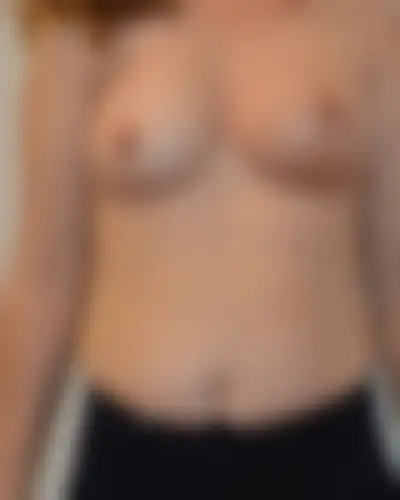
Front
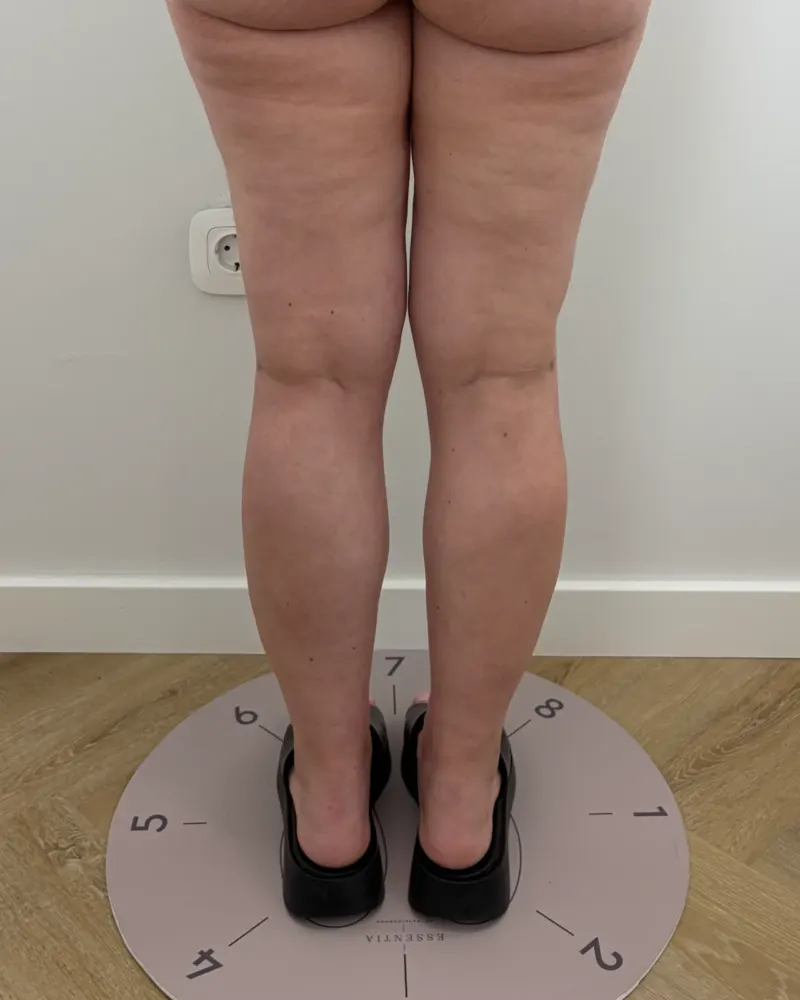
Liposuction
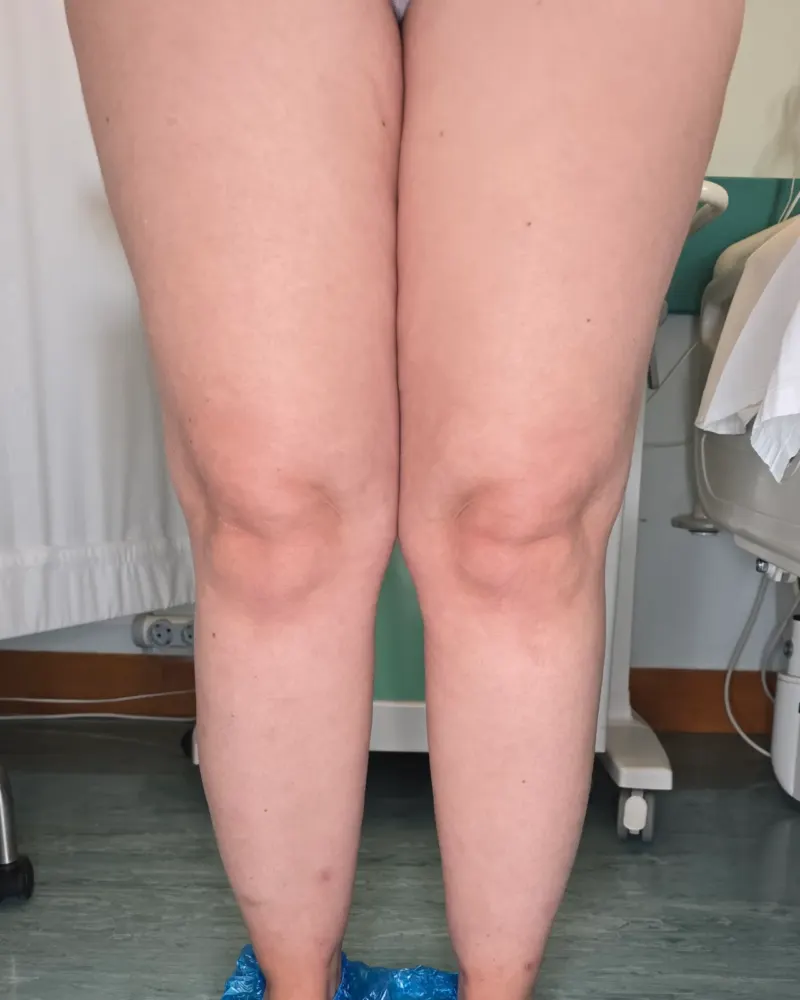
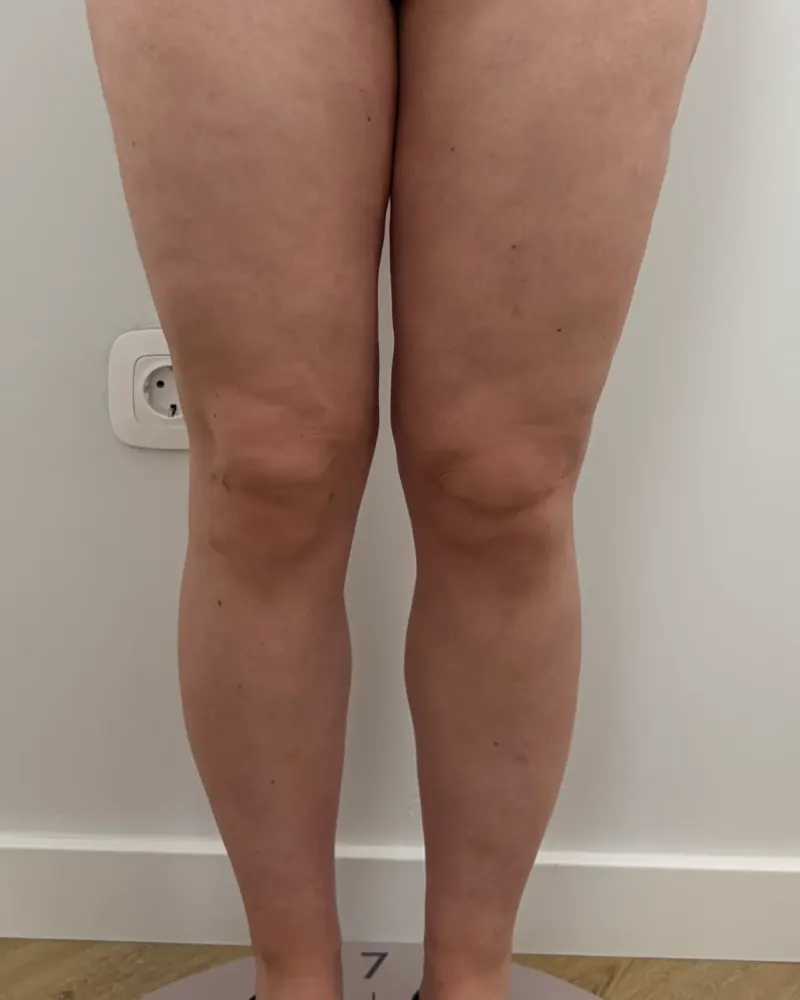
Woman, 30–35 · Liposuction · 10 months after · Surgeon: Dr Prodromos Papaioannou
Contact usSee this case →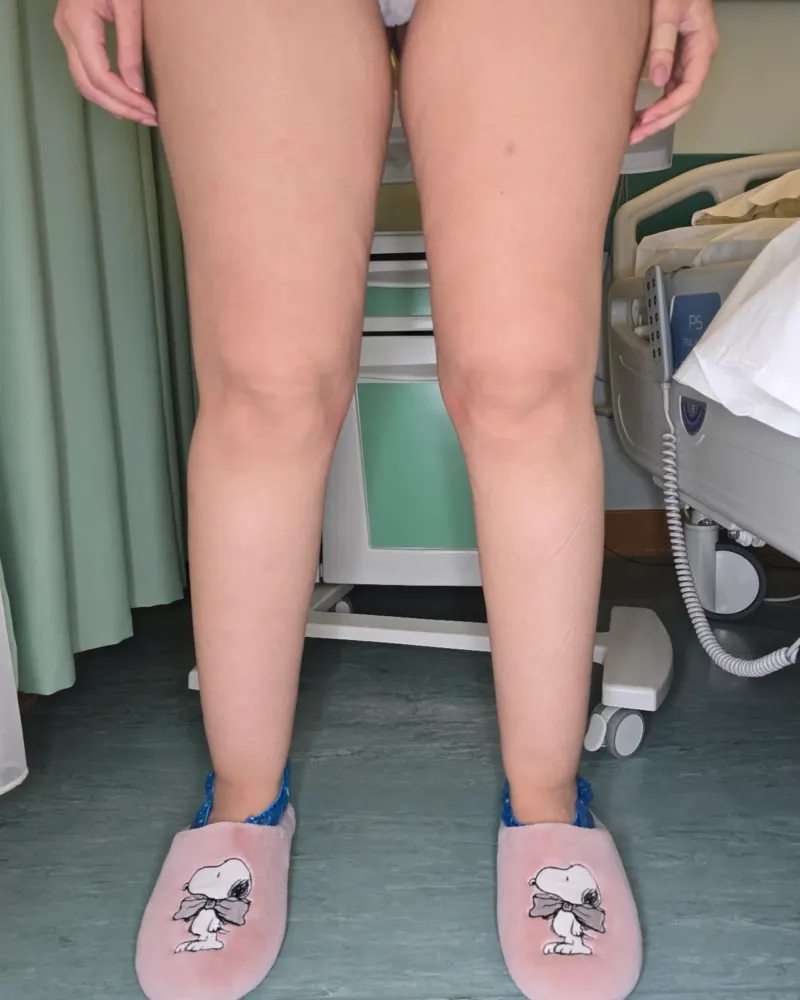 Before
 After
 Before
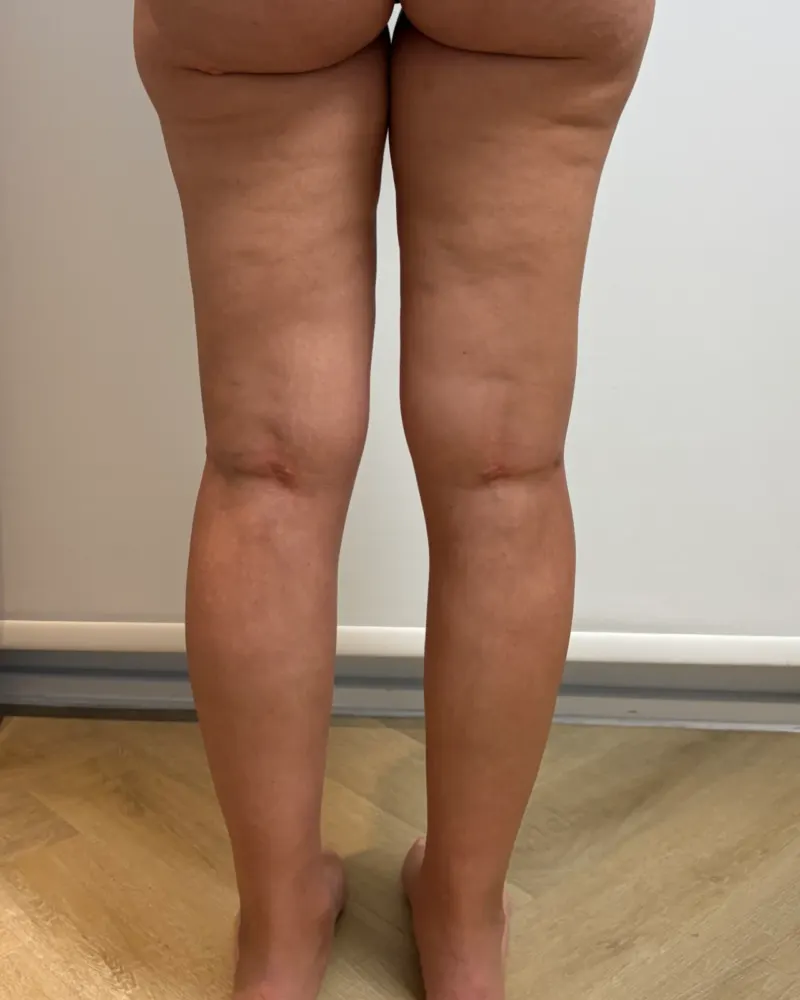 After
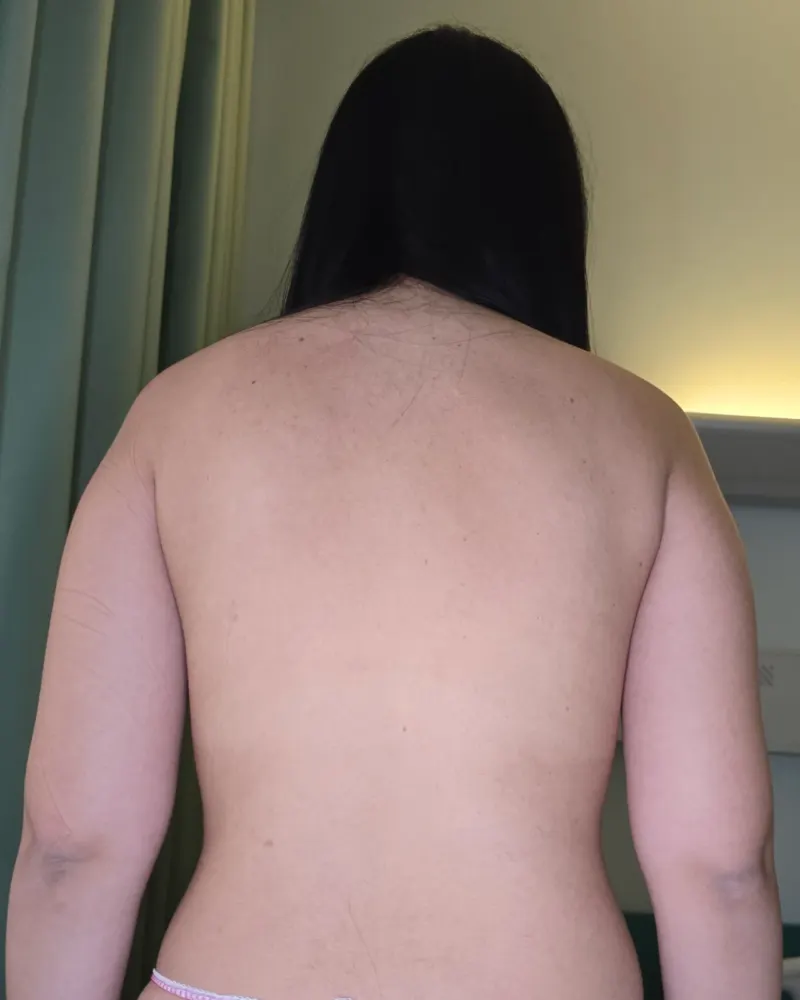 Before
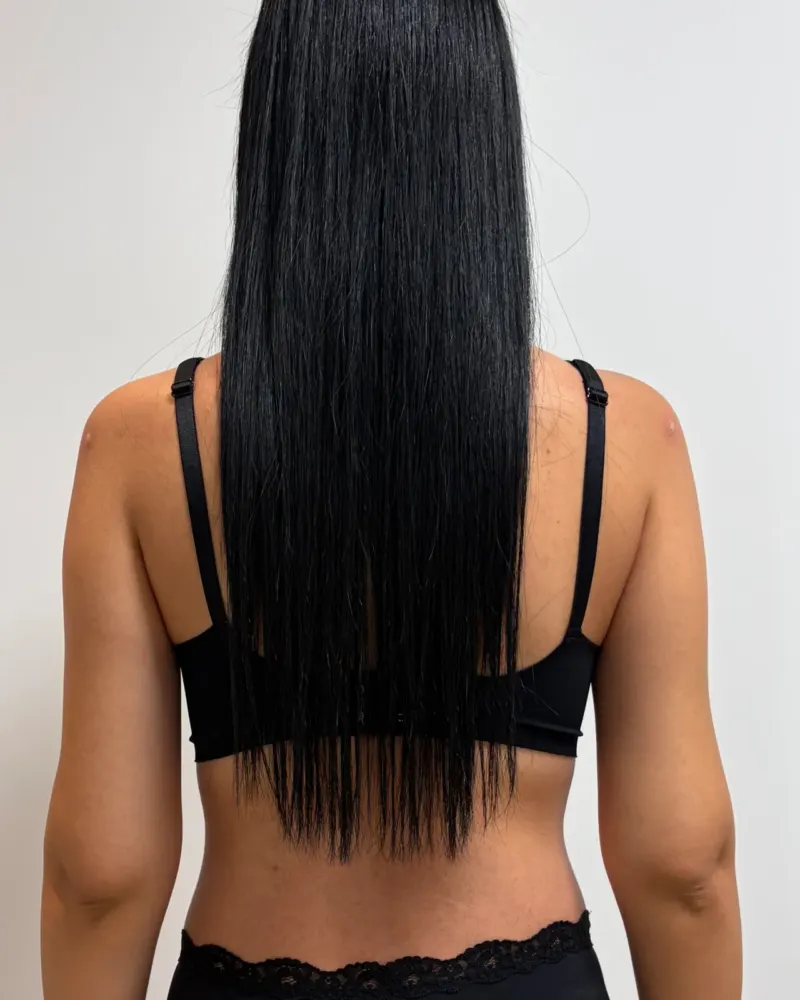 After
These photos include nudity.
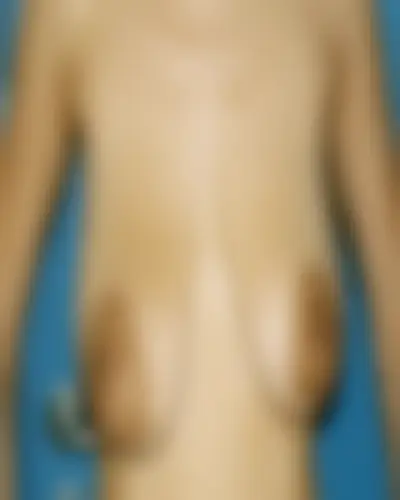
Front
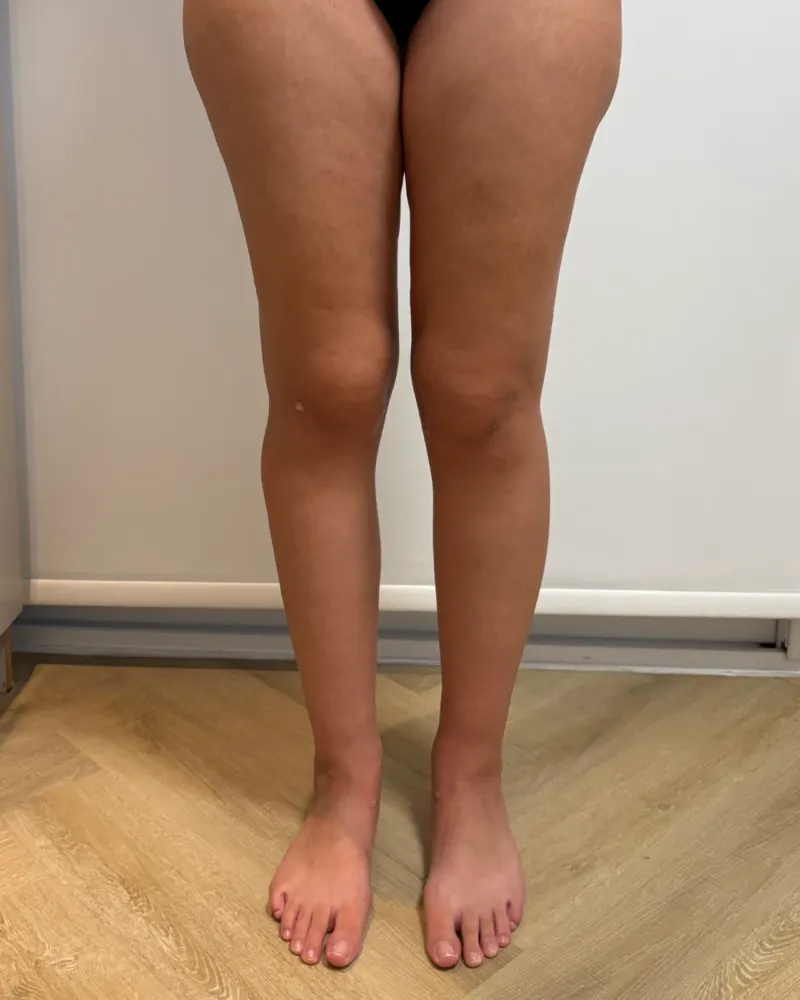
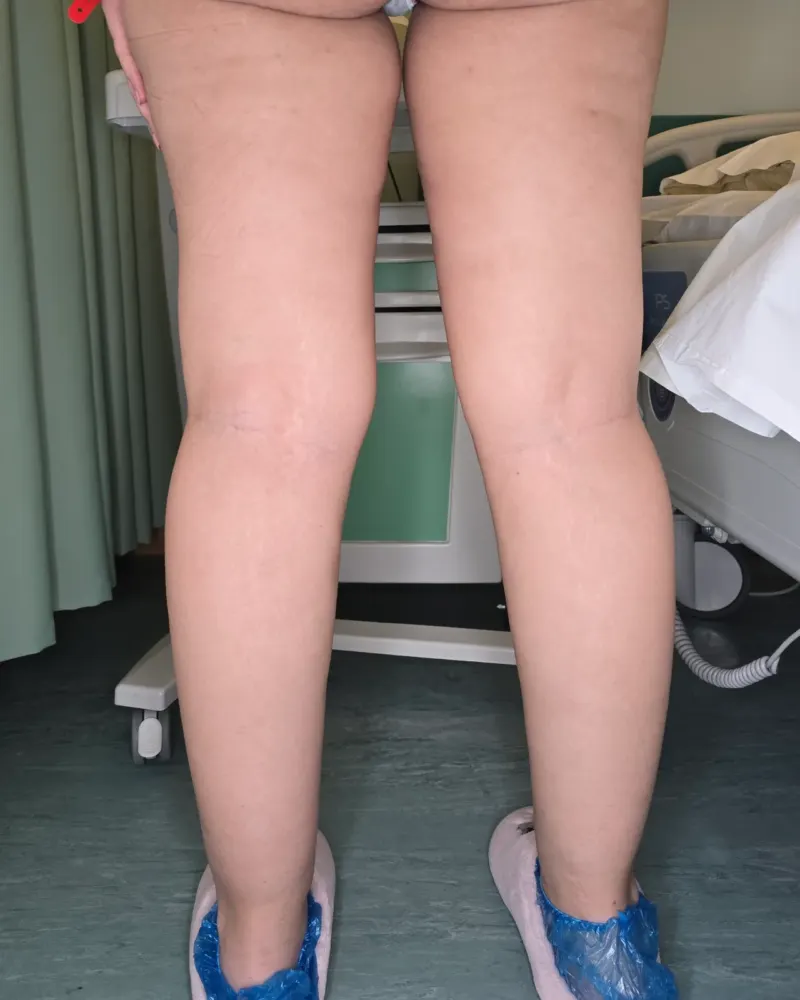
Liposuction for lipedema
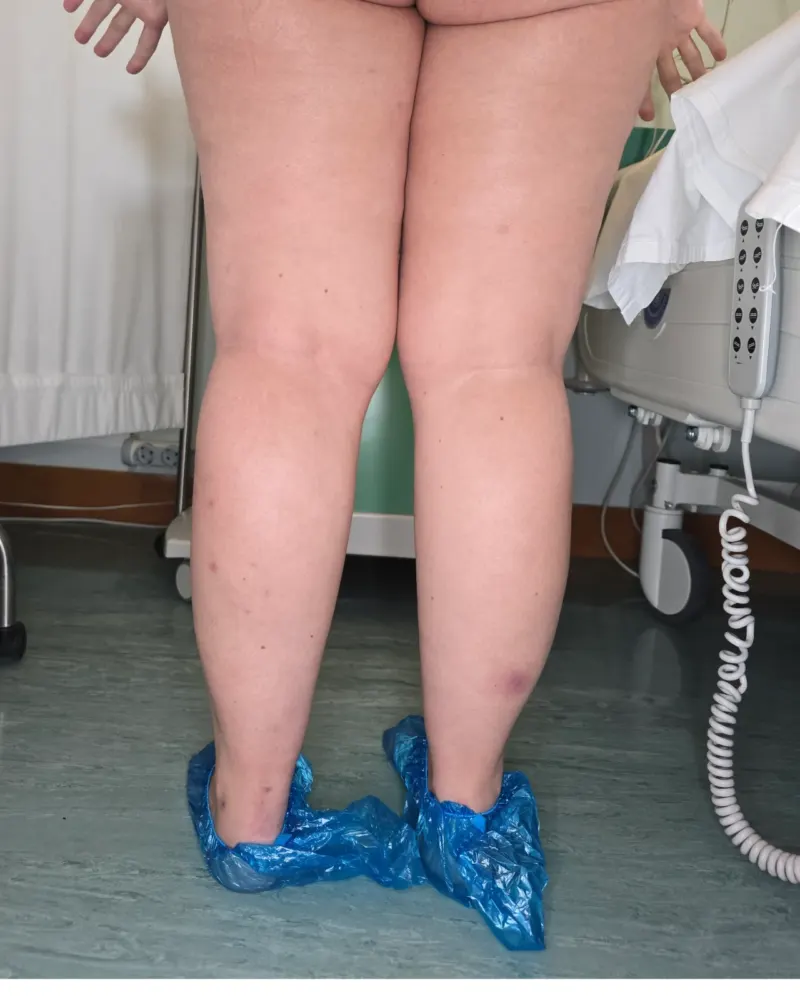
Woman, 25–30 · Liposuction for lipedema · 11 months after · Surgeon: Dr Prodromos Papaioannou
Contact usSee this case →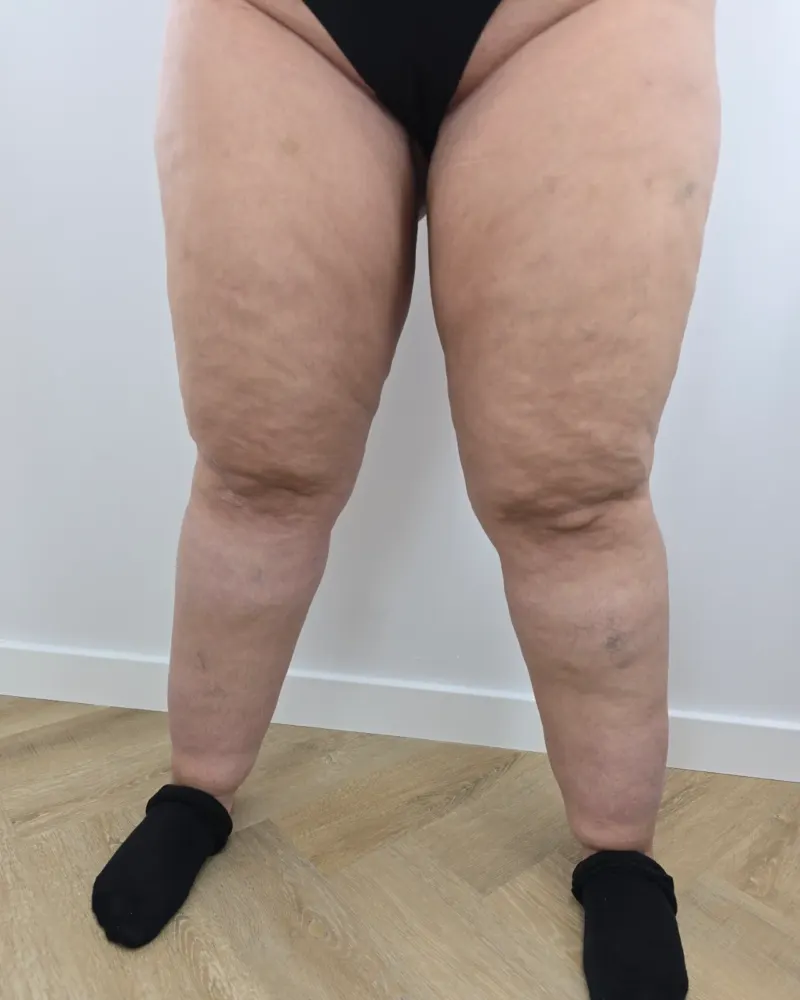 Before
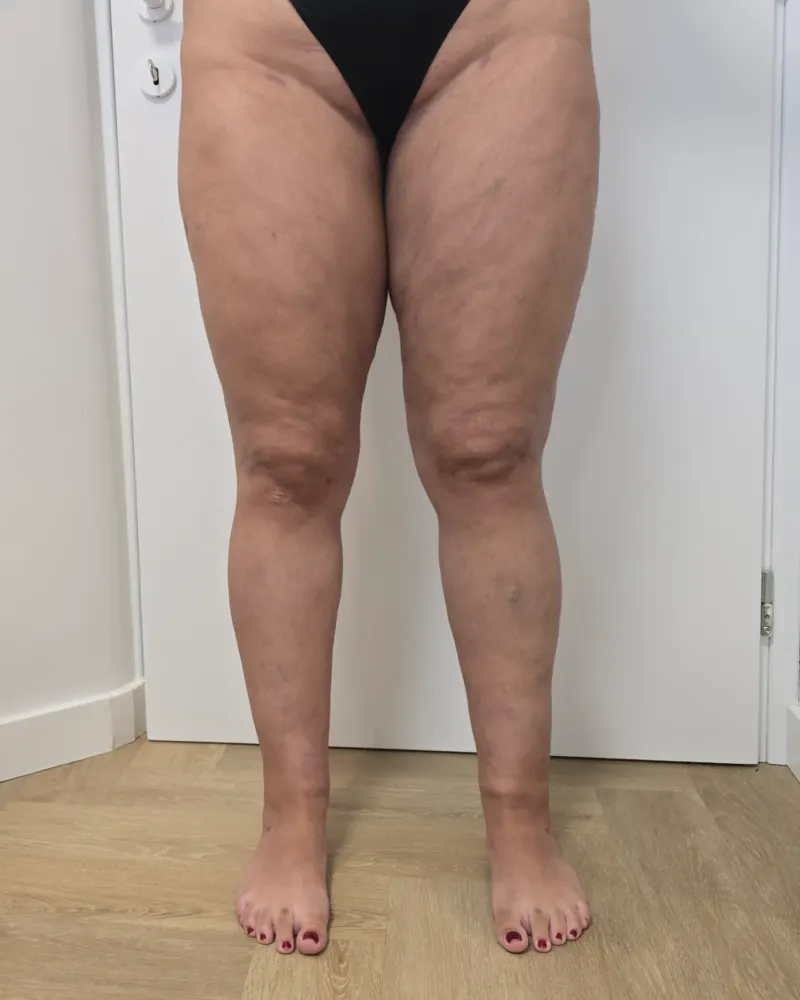 After
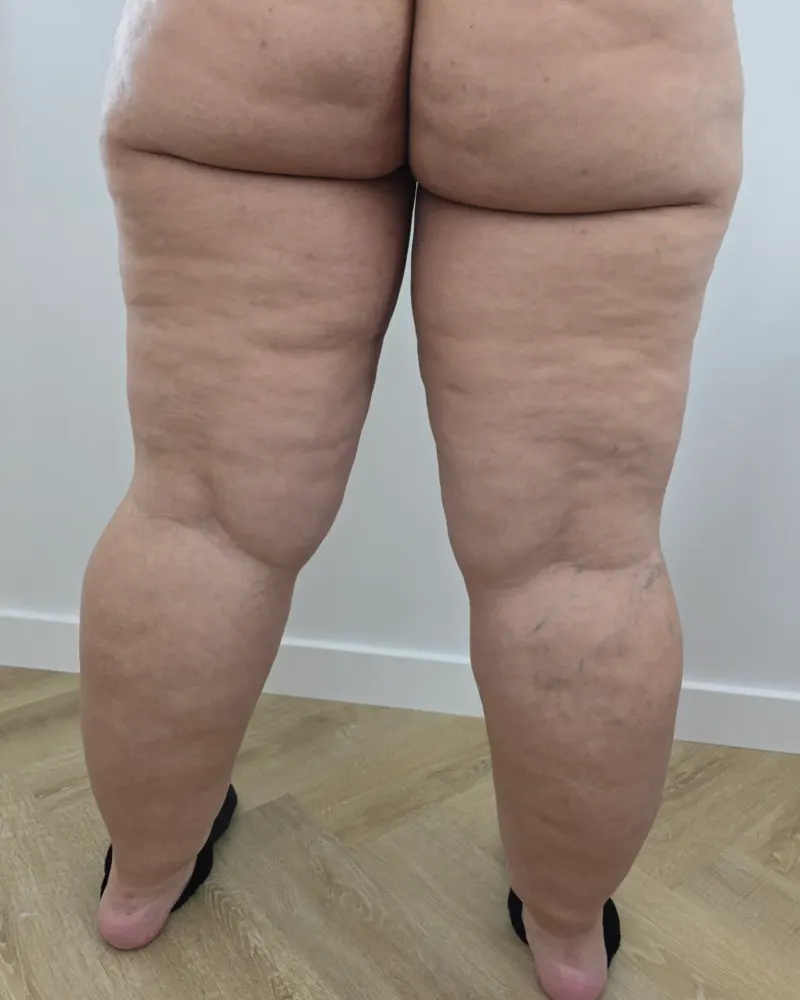 Before
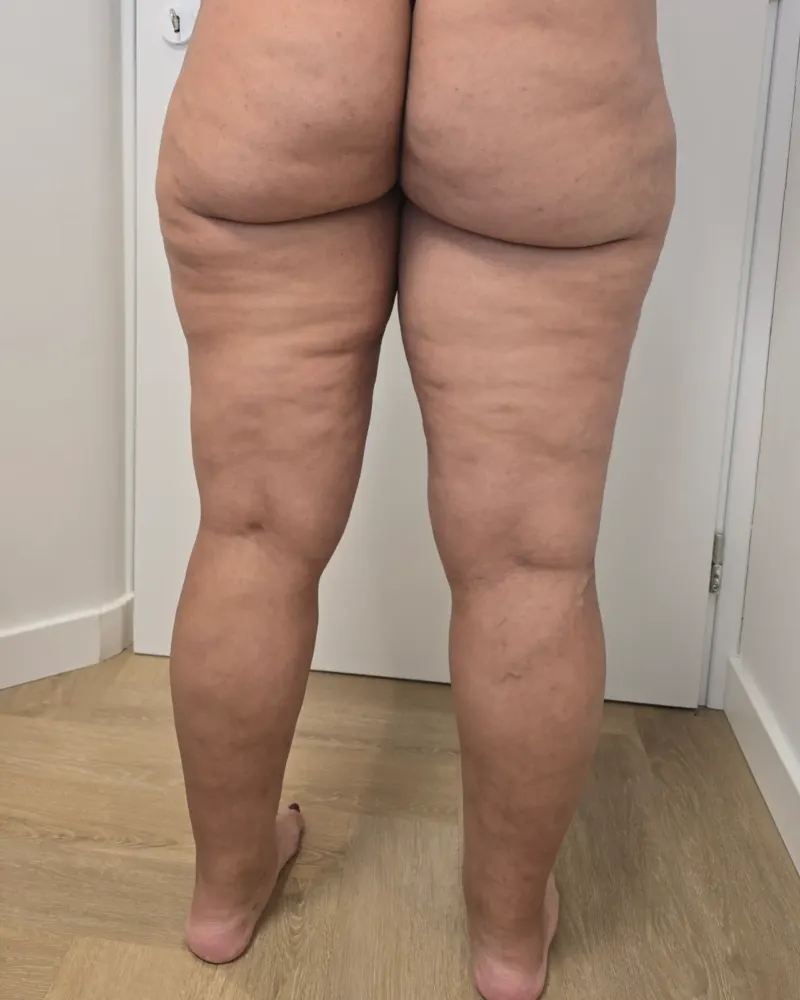 After
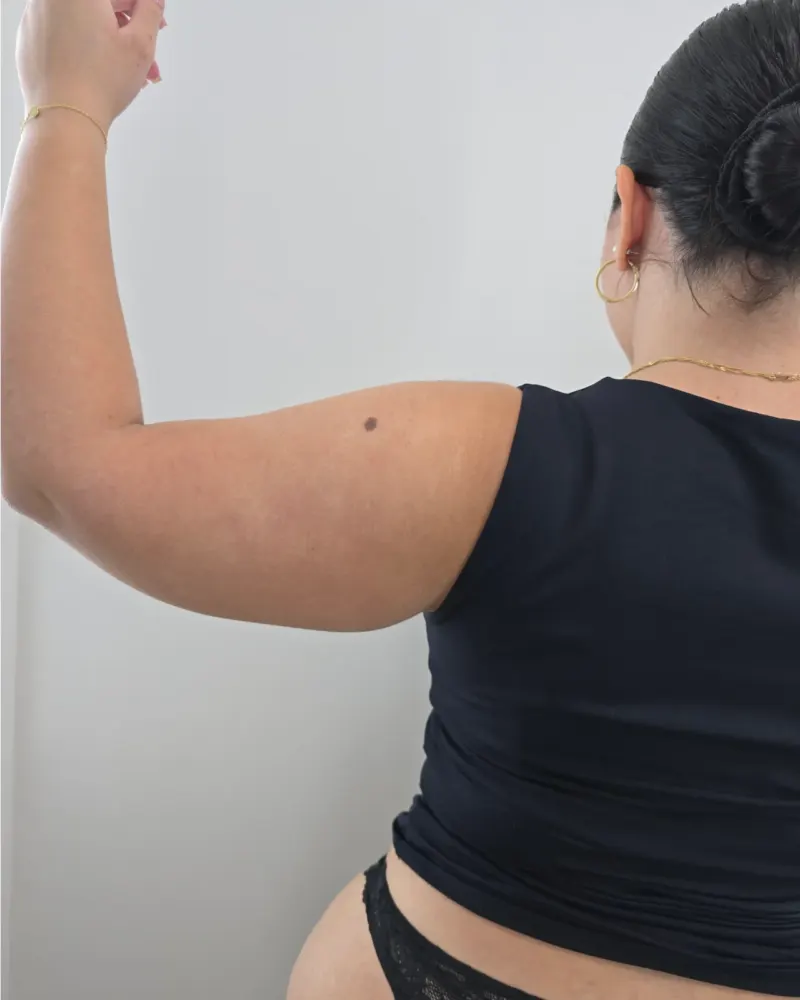 Before
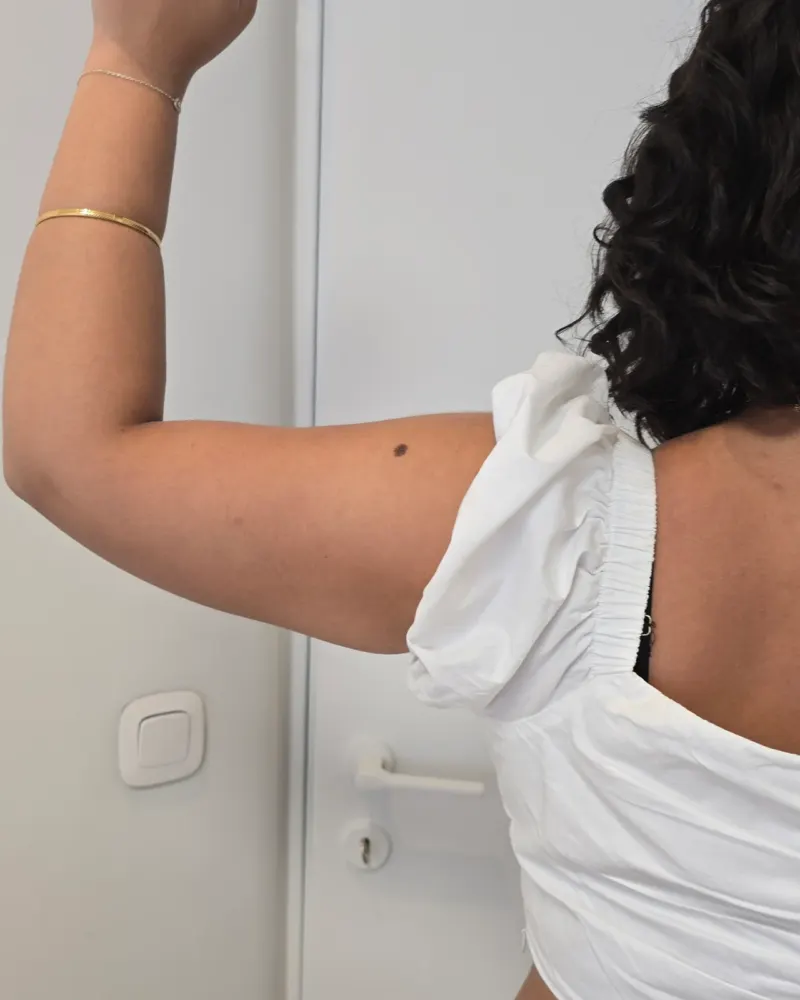 After
These photos include nudity.
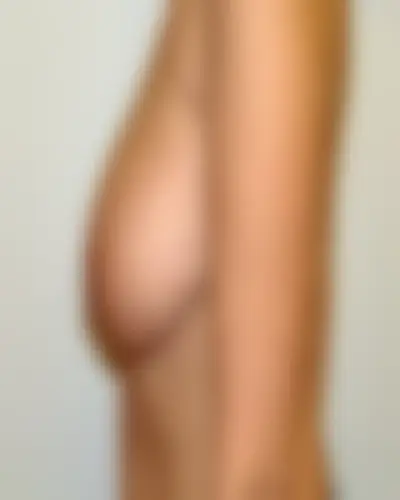
Front
Liposuction for lipedema and liposuction
Woman, 25–30 · Liposuction for lipedema and liposuction · 8 months after · Surgeon: Dr Prodromos Papaioannou
Contact usSee this case →Results vary from patient to patient.
Which body contouring procedure is right for my problem?
The right procedure depends on what bothers you. Localised fat is removed with liposuction, loose skin with skin excision, a lax abdominal wall by repairing the muscles, and lost volume is restored with fat or implants. The table matches each problem to a procedure; we make the final decision together at the examination.
| What bothers you | Procedure |
|---|---|
| Localised fat that does not shift with diet and exercise (abdomen, flanks, thighs, knees, upper arms) | Liposuction (liposculpture) |
| Loose skin on the abdomen, stretch marks below the navel | Tummy tuck (abdominoplasty); mini tummy tuck when the laxity is only low down |
| Abdominal muscle separation (diastasis recti): a belly that sticks out even at a normal weight | Tummy tuck with repair of the rectus muscles |
| Upper arms: fat or loose skin on the inner side | Liposuction when the skin is good; mini, standard or extended arm lift (brachioplasty) when it is loose |
| Thighs: fat or laxity on the inner thighs | Liposuction; thigh lift when there is true excess skin |
| Buttocks: flat, empty or “sagging” | More volume with implants or with fat (BBL); buttock lift only when there is excess skin after weight loss |
| Lipoedema (lipedema): symmetrical, painful fat on the legs or arms | Liposuction for lipoedema, with a technique that protects the lymphatic vessels |
| Labia: inner labia that protrude, rub or cause discomfort | Labiaplasty, usually under local anaesthesia, with no hospital stay |
The most common misunderstanding I see is “loose skin” that is really fat or lost volume. On the inner thighs and upper arms, the weight of the fat often pulls the skin down; once the fat is removed, the skin recovers to a large extent. On the buttocks, a “sagging” look is usually caused by lost volume and is corrected by adding volume, not by removing skin. That is why, before I suggest an incision, I always check whether a less invasive option is enough.
When laxity affects several areas, usually after massive weight loss, we plan a staged programme rather than separate operations (see below). Each procedure in the table has its own page covering technique, recovery and risks.
Liposuction or tummy tuck: which do I need?
Liposuction removes fat; a tummy tuck removes skin and repairs the abdominal wall. If your skin is good quality and the problem is mainly fat, liposuction is often enough. If there is excess skin or separation of the abdominal muscles, you need a tummy tuck, usually combined with liposuction.
When liposuction is enough. When the abdomen has localised fat, the skin is elastic and the abdominal muscles have not separated. The incisions are a few millimetres long and recovery is shorter. After liposuction the skin contracts to some degree, but not predictably. Liposuction does not remove the visceral fat around the abdominal organs and is not a weight-loss method.
When you need a tummy tuck. When the skin below the navel hangs or has stretch marks, when the belly sticks out because the rectus muscles have separated, or when there is an umbilical hernia. On loose skin, liposuction alone can make the appearance worse. A mini tummy tuck deals with mild laxity in the lowest part of the abdomen, through an incision slightly longer than a caesarean scar.
When the two are combined. In most tummy tucks I add liposuction to the flanks and the upper abdomen (lipoabdominoplasty) to shape the waist as well. How much liposuction is done is a major factor in how demanding the operation is and how long the swelling lasts.
Skin-tightening devices do not replace either operation. We choose between them at the examination, with you standing and lying down.
How is the body reshaped after massive weight loss?
After massive weight loss, body contouring is usually done in two or three stages, once your weight has been stable for 6 months to a year. We almost always start with the trunk, then correct the arms, breasts, back and thighs at a later stage. The page on body contouring after massive weight loss has the details.
Recovering your shape after weight loss is a process with several stages, often involving doctors from different specialties. The first stage is the weight loss itself: through a change in diet and more exercise or, when these are not enough, through bariatric surgery such as a gastric bypass or a gastric band, performed by general surgeons who specialise in it. When the weight comes off gradually, the skin adapts better and there is less laxity.
Which body procedures can be combined?
I combine procedures when they involve neighbouring areas and the total operating time stays safe. The most common combinations are a tummy tuck with liposuction and a tummy tuck with breast surgery (mommy makeover). Combining means one anaesthetic and one recovery, but it also means a bigger operation.
Tummy tuck with liposuction. This is the rule rather than the exception: liposuction shapes the waist and flanks, which a tummy tuck alone does not change.
Mommy makeover. Pregnancy and breastfeeding often change both the abdomen and the breasts. A tummy tuck can be done in the same operation as a breast augmentation or breast lift usually when you are healthy, your BMI is below about 30 and the total operating time is no more than about 5 to 6 hours; otherwise we split them into two stages. Your family should be complete, and at least 6 months should have passed since your last delivery.
Buttock surgery with liposuction. The fat for transfer is taken from the abdomen, waist or flanks, so the outline of the trunk changes at the same time.
In stages, after weight loss. In one stage we treat neighbouring areas together, such as abdomen, buttocks and thighs, or arms and breasts. There are usually 3 to 6 months between stages. In lipoedema, loose skin is removed at a second stage, after the liposuction sessions.
When I do not combine. When the total operating time would be excessive, when anaemia or a nutritional deficiency has not been corrected, in heavy smokers and when there are serious medical conditions. I do not do every area at once just to “get it over with”: two safer operations are a better choice than one very long one.
What is recovery like after body contouring?
After any body procedure you walk from the first day and wear a compression garment for a few weeks. You return to office work within a few days to three weeks, and to strenuous exercise usually after 4 to 8 weeks. The exact timings depend on the procedure; the main ones are listed below.
Compression garments. A girdle after a tummy tuck or liposuction, a bolero after an arm lift, and special compression shorts after thigh and buttock surgery: usually for 3 to 6 weeks. In lipoedema, compression below the knee lasts about 3 months.
Drains. Not every operation needs them; after large skin excisions following weight loss they are often used, and in a tummy tuck I always place them, usually for 3 to 5 days.
Preventing blood clots. Early walking, compression stockings and, where needed, anticoagulant medication are the main measures.
Hospital stay. Labiaplasty and arm lift need no overnight stay. A standard tummy tuck and a BBL usually need one night, a thigh and buttock lift about two, and a body lift two to three.
Work and exercise. Back to office work within a few days after small-volume liposuction or labiaplasty, 1 to 2 weeks after a tummy tuck or thigh lift, 10 to 15 days after liposuction for lipoedema, and after the third week following a body lift. Weight training after abdominal muscle repair: 3 to 6 months.
Smoking. Stop at least 4 weeks before and 4 weeks after any operation.
The final shape shows once the swelling settles, usually within 3 to 6 months; scars take 12 to 18 months to mature after large skin excisions.
What determines the cost of body contouring?
I do not publish prices, because the cost of a body procedure depends on the technique, the extent of surgery and the operating time, and these are set only after the examination. You receive a written quote with your plan after the consultation; when treatment is staged, each stage is quoted separately.
- The technique: mini or standard tummy tuck, mini or extended arm lift, implants or fat transfer to the buttocks.
- The number and size of the areas treated, and the amount of fat removed or transferred.
- Repair of abdominal muscle separation or a hernia, with or without a biocompatible mesh.
- The anaesthesia (local, sedation or general) and the nights in hospital.
- Combined procedures and the number of stages.
- Compression garments and, in lipoedema, lymphatic massage after surgery.
Operations take place at Interbalkan Medical Center or Athens Medical Center, and the written quote sets out exactly what it includes. An initial assessment can be made from photos and a video call, but the final quote is given after the examination.
Frequently asked questions
How long should my weight be stable before body contouring surgery?
For operations that remove skin, such as a tummy tuck, arm lift or thigh lift, your weight should be stable for 6 months to a year. After bariatric surgery we usually wait 12 to 18 months from the operation. If you have surgery while you are still losing weight, the skin will loosen again and the result will not last. For liposuction, a reasonably stable weight is enough. The wait gives your body time to recover, nutritional deficiencies time to be corrected and the skin time to shrink as much as it can.
Can I have a tummy tuck if I want children in the future?
It depends on the procedure. I do not recommend a tummy tuck until your family is complete, because a new pregnancy will change the abdomen again and affect the result; I also prefer at least 6 months to have passed since your last delivery. No body procedure is done during pregnancy or breastfeeding, and the weight changes of pregnancy affect every result. If you have already had a tummy tuck and become pregnant, let your obstetrician and me know so we can follow you; after the birth we assess together whether any correction is needed.
Will body contouring leave scars?
Every operation leaves scars; their size depends on whether skin is removed. Liposuction and BBL leave incisions a few millimetres long that fade with time. A tummy tuck leaves a low scar below the underwear line, an arm lift a scar on the inner arm and a thigh lift a scar in the groin crease. After massive weight loss the scars are inevitably long. I plan them to sit within underwear or swimwear as far as possible. Scars keep improving for months, up to 12 to 18 months after large excisions, but they do not disappear.
Can non-surgical skin tightening replace surgery?
Not when there is true excess skin or a lax abdominal wall. Radiofrequency, fat freezing (cryolipolysis) and similar methods have a small effect: they can help with mild laxity or a small amount of fat, but they do not remove skin and do not repair the abdominal muscles. Their results fall far short of liposuction. If you are promised tightening without surgery, ask exactly what the method can achieve in your case. At the consultation I tell you whether your problem can be solved without an operation.
Can body contouring be done under local anaesthesia?
Some procedures, yes. Labiaplasty is usually done under local anaesthesia, with light sedation if you wish, at Interbalkan Medical Center or Athens Medical Center, with no hospital stay. A mini tummy tuck, a mini arm lift and small-volume liposuction can also be done under local anaesthesia, alone or with sedation. The dose of local anaesthetic has a safe upper limit, however, which covers only a certain area. That is why a standard tummy tuck, large-volume liposuction, buttock surgery and operations after massive weight loss are done under general anaesthesia.
Will my health insurance cover body contouring?
Cosmetic body surgery is usually not covered by health insurance. Where there is a functional problem, such as overhanging abdominal skin after massive weight loss or lipoedema, partial cover may be possible, depending on your insurer and your policy; lipoedema surgery is the usual example, and the practice provides a medical letter for your insurer. I suggest you ask your insurer before the consultation. The written plan you receive describes the operation and the reason for it, so you can submit it if needed.
Related articles
- Liposuction revision
- Thigh lift
- Abdominal liposuction in men
- Mommy makeover
- Daddy makeover
- Liposuction techniques compared
References
- Song AY, Jean RD, Hurwitz DJ, Fernstrom MH, Scott JA, Rubin JP. A classification of contour deformities after bariatric weight loss: the Pittsburgh Rating Scale. Plast Reconstr Surg. 2005;116(5):1535-44. PMID: 16217505.
- Winocour J, Gupta V, Ramirez JR, Shack RB, Grotting JC, Higdon KK. Abdominoplasty: risk factors, complication rates, and safety of combined procedures. Plast Reconstr Surg. 2015;136(5):597e-606e. PMID: 26505716. doi:10.1097/PRS.0000000000001700.
- Aly AS, Cram AE, Chao M, Pang J, McKeon M. Belt lipectomy for circumferential truncal excess: the University of Iowa experience. Plast Reconstr Surg. 2003;111(1):398-413. PMID: 12496613. doi:10.1097/00006534-200301000-00072.
Consultation
In Thessaloniki, in Athens or by video. Examination, options and a written plan.